Why it works: Lemon and rose are a kitchen classic. They rank in the top 13% of all ingredient pairs, and cooks put them together in 1,174 recipes. Both carry decanal, which smells soap, orange peel. The science ↓
Rose Tablets
Ingredients
Directions
Make the base
Combine 6 pounds of sugar, 1 pound of glucose, and enough water to dissolve the sugar in a kettle.
Cook the mixture to 290°F to 300°F.
Pour the cooked mixture onto a slab and let it cool.
Fold the cooled mixture up.
Divide and flavor
Cut off one-third of the folded mixture.
Color the cut portion deep red.
Add nearly 1 ounce of tartaric acid to the remaining two-thirds.
Add a few drops of oil of lemon to the mixture.
Flavor the mixture with rose.
Knead the rose-flavored mixture well until it becomes nice and white.
Form the white mixture into a round piece.
Flatten the red portion.
Shape and finish
Wrap the flattened red portion around the white round piece.
Run the wrapped mixture through tablet rollers.
Shape the rolled mixture into drops.
Transcribed from a scanned cookbook and modernised for today's kitchens. Where the book gave no heat or time, or said "a moderate oven", the temperatures and times here may be modern equivalents rather than the book's own figures.
Explore the science
The flavor team
The pairs that carry this dish. Each one is judged two ways: how much their aromas overlap, and how often cooks already put them together.
-
Lemon + rosetop 13% of all pairsSmell alikelowCooked together1,174 recipes
Shared aroma: decanal (soap, orange peel).
-
Sugar + lemontop 18% of all pairsSmell alikelowCooked together53,532 recipes
Shared aroma: 2-nonenal (fatty, green).
-
Sugar + rosetop 25% of all pairsSmell alikelowCooked together3,584 recipes
Shared aroma: beta-damascenone (apple, rose).
Sugar and lemon barely smell alike, yet cooks put them together in 53,532 recipes: they work on texture and structure more than aroma.
Ranks compare each pair with 20,000 random ingredient pairs on CompKitchen. How we score pairs
What each ingredient does
- Sugar
- Forms the main body of the candy as it cooks and sets.
- Glucose
- Helps prevent crystallization, keeping the candy smooth rather than grainy.
- Tartaric acid
- Adds sharpness and balances the sweetness of the candy.
The step that matters
Cook the mixture to 290°F to 300°F. Cooking sugar to this hard-crack range drives off water so the candy sets firm rather than sticky. Undercooking leaves it soft, while overcooking can make it brittle or scorched.
Swap the lemon
How well each one fits the dish's main ingredients (sugar, rose):
- Vanillafits better
- Orangefits about as well
- Raspberryfits about as well
- Lemonthe original
Fit is the average pairing score against sugar, rose. Candidates are from the same food group and used in at least 100 recipes.
“What each ingredient does” and “The step that matters” were written by Claude from this recipe’s own method and reviewed in samples by CompKitchen.
You might also like
 Lemon Cake228 recipes
 Lemon Ice147 recipes
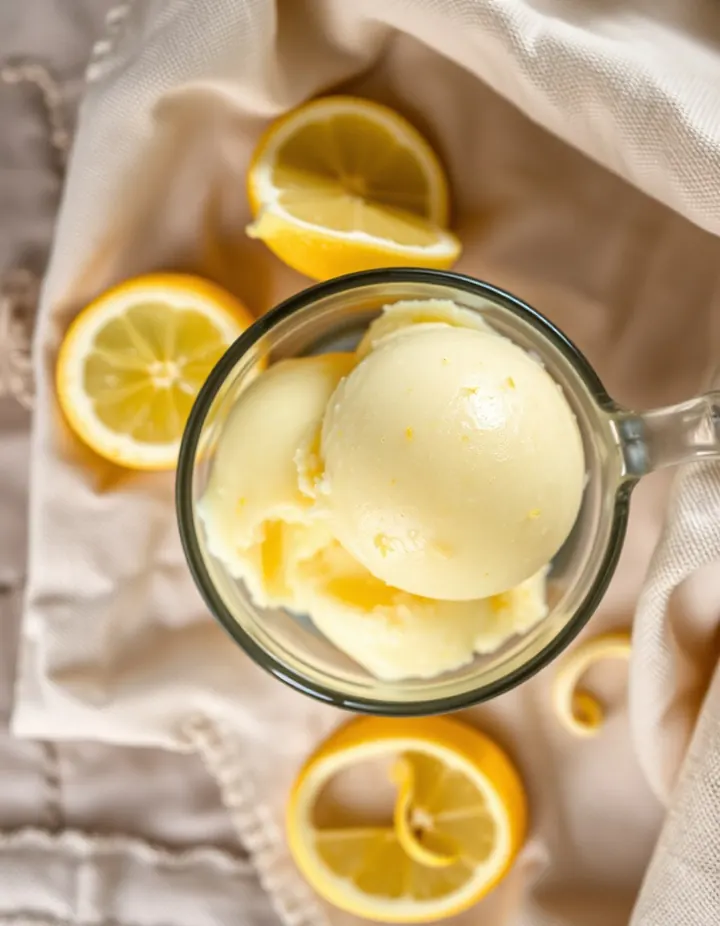 Lemon Sherbet103 recipes
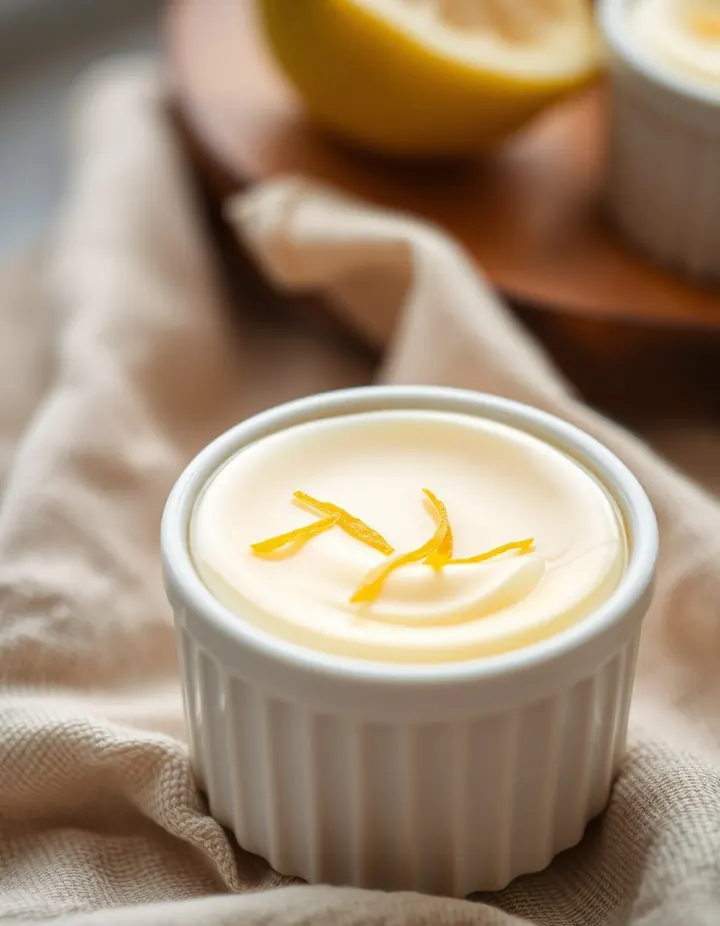 Lemon Custard64 recipes
The free Flavor Lab newsletter: one surprising pairing a week and the molecular reason it works, in 60 seconds. No spam, unsubscribe anytime.
Prefer an account? Create a free account to save pairings and unlock the full chemistry.