Why it works: Biscuit and butter are a kitchen classic. They rank in the top 17% of all ingredient pairs, and cooks put them together in 2,009 recipes. Both carry nonanal, which smells fat, citrus. The science ↓
Rolled Biscuits
Ingredients
Directions
The book gives no oven temperature. The 350°F (175°C) in the steps was added when the recipe was transcribed, as a starting point.
Prepare
Preheat the oven to 350°F (175°C).
Bake and roll
Bake the Savoy biscuit batter in a deep baking sheet lined with buttered paper.
Once baked, turn the biscuit out with the paper side up and remove the paper.
Spread jam over the surface of the biscuit.
Roll the biscuit up, cutting one end slantwise, and place it seam side down.
Cool and finish
Allow to cool, then slice the roll into quarter-inch thick pieces.
Cover the surfaces of the slices with transparent icing.
Transcribed from a scanned cookbook and modernised for today's kitchens. Where the book gave no heat or time, or said "a moderate oven", the temperatures and times here may be modern equivalents rather than the book's own figures.
Explore the science
The flavor team
The pairs that carry this dish. Each one is judged two ways: how much their aromas overlap, and how often cooks already put them together.
-
Biscuit + buttertop 17% of all pairsSmell alikemoderateCooked together2,009 recipes
Shared aroma: nonanal (fat, citrus).
Ranks compare each pair with 20,000 random ingredient pairs on CompKitchen. How we score pairs
What each ingredient does
- Savoy biscuit batter
- Forms the light, sponge-like base that rolls up around the jam.
- Jam
- Adds sweetness and moisture, and a fruity flavour through the sponge.
The step that matters
Roll the biscuit while it is still warm. Freshly baked sponge is flexible, so it can roll without cracking. Once it cools it becomes stiff and is more likely to split and crack along the roll.
“What each ingredient does” and “The step that matters” were written by Claude from this recipe’s own method and reviewed in samples by CompKitchen.
You might also like
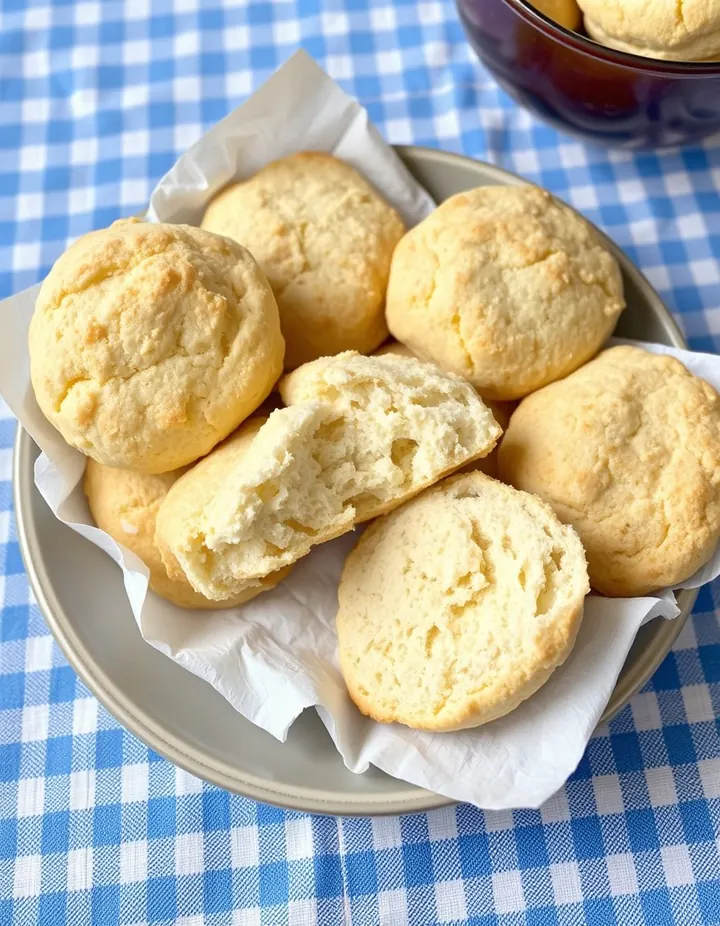 Baking Powder Biscuit119 recipes
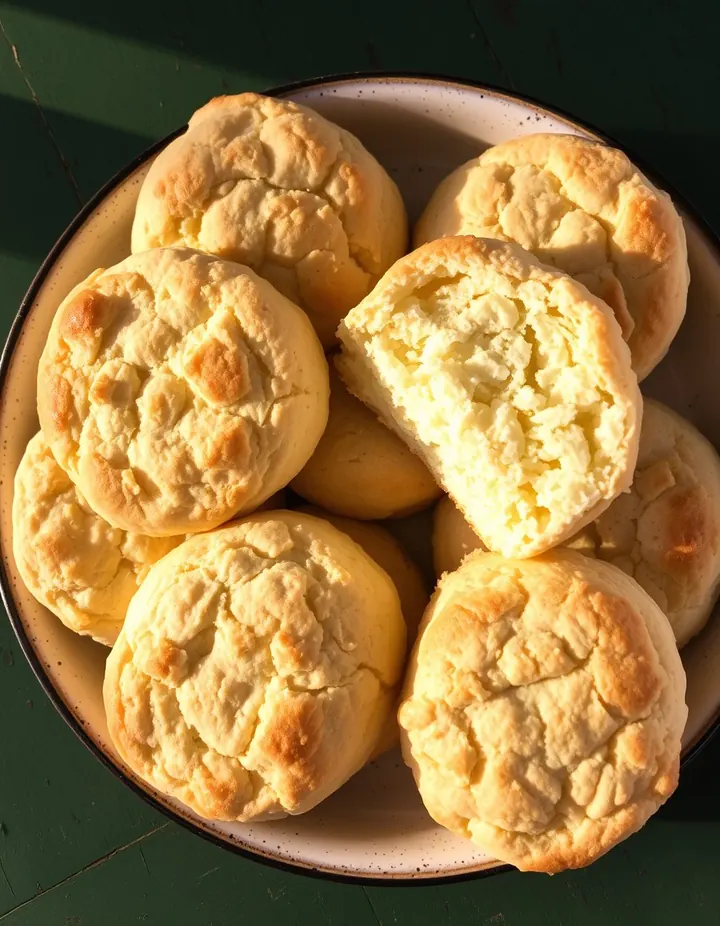 Sour Milk Biscuit27 recipes
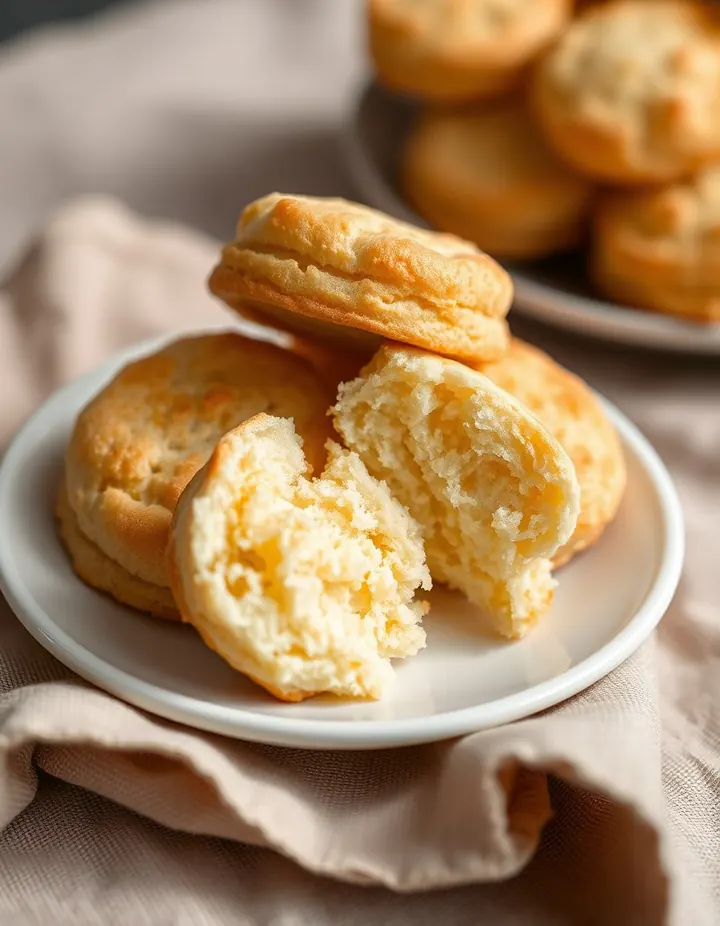 Butter Biscuit8 recipes
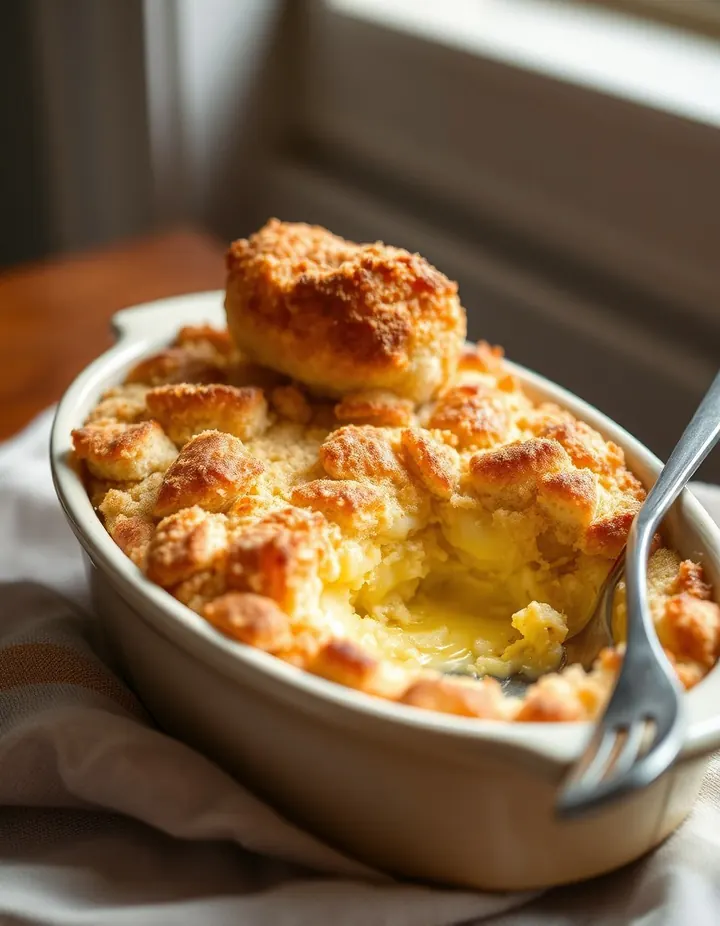 Biscuit Pudding7 recipes
The free Flavor Lab newsletter: one surprising pairing a week and the molecular reason it works, in 60 seconds. No spam, unsubscribe anytime.
Prefer an account? Create a free account to save pairings and unlock the full chemistry.