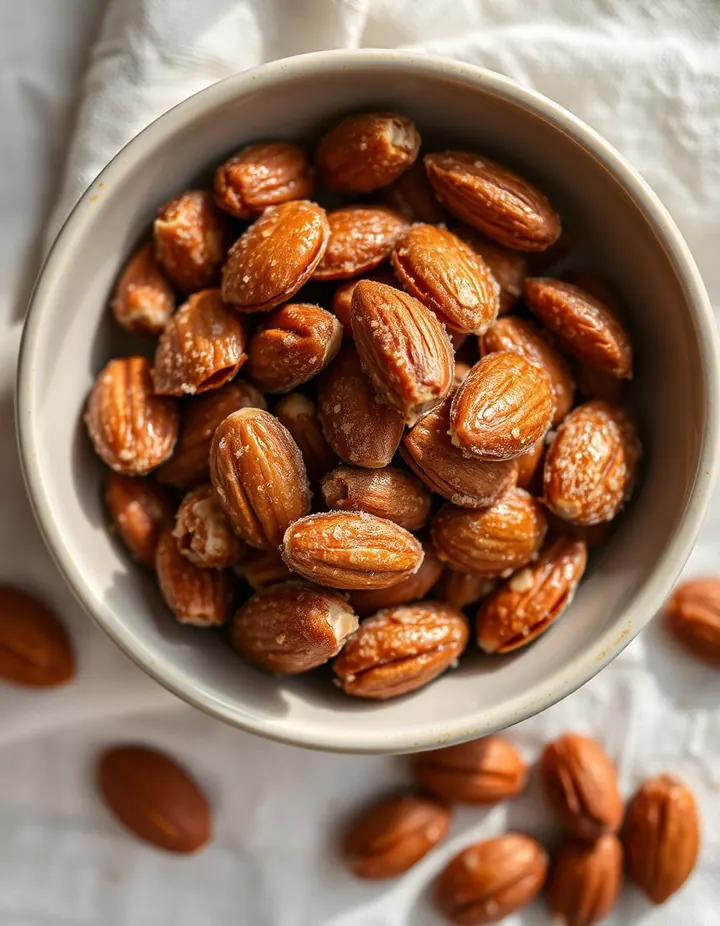
Why it works: Almond and cinnamon match in chemistry and in kitchens. They rank in the top 1% of all ingredient pairs, and cooks put them together in 3,514 recipes. Both carry eucalyptol, which smells eucalyptus, herbal. The science ↓
Burnt Almonds
Ingredients
Directions
Prepare the syrup and candy the almonds
Sort the almonds by size.
In a kettle, mix 6 cups of sugar and 1 quart of water. Heat until it reaches 240°F (115°C).
Add the almonds and stir gently to avoid breaking them. Cook until the candy granulates.
Remove from heat and stir until the sugar is dry and the almonds are separated.
Pour into a coarse sieve to shake off excess sugar.
Repeat the syrup coating
Dissolve the sugar in the kettle with just enough water and heat until dissolved.
Cook the syrup to 250°F (120°C), then add the almonds and stir until granulated. Shake off excess sugar in a sieve.
Repeat the syrup process with 2 pounds of sugar and just enough water, cooking to 250°F (120°C).
Add a pinch of cinnamon to half of the remaining syrup, cook to 250°F (120°C), and add the almonds, stirring until granulated.
Repeat with the remaining syrup.
Gloss and dry
For a glossy finish, mix powdered gum-arabic with water and coat the nuts. Stir in the kettle until coated.
Place the coated almonds on trays to dry.
Once dry, add enough confectioner's glazine to dampen slightly and place back on trays to dry again.
Transcribed from a scanned cookbook and modernised for today's kitchens. Where the book gave no heat or time, or said "a moderate oven", the temperatures and times here may be modern equivalents rather than the book's own figures.
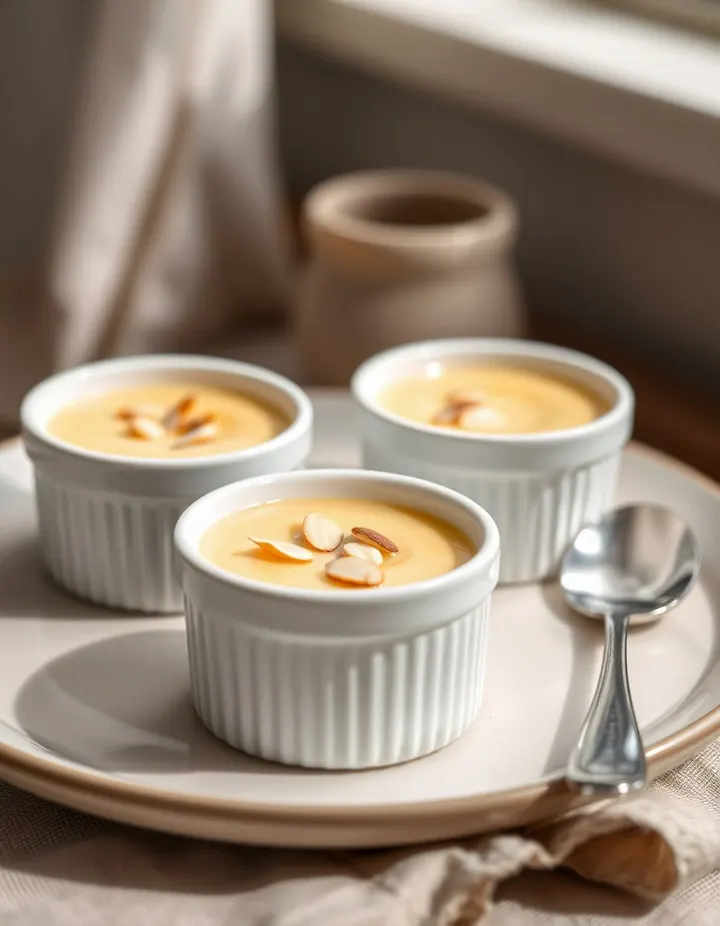
Photo for illustrative purposes only · Contact us to use it
Explore the science
The flavor team
The pairs that carry this dish. Each one is judged two ways: how much their aromas overlap, and how often cooks already put them together.
-
Almond + cinnamontop 1% of all pairsSmell alikestrongCooked together3,514 recipes
Shared aroma: eucalyptol (eucalyptus, herbal).
-
Sugar + syruptop 6% of all pairsSmell alikestrongCooked together5,842 recipes
Shared aroma: ethanol (alcoholic, ethereal).
-
Sugar + cinnamontop 10% of all pairsSmell alikelowCooked together30,779 recipes
Shared aroma: guaiacol (smoky, sweet).
-
Syrup + cinnamontop 14% of all pairsSmell alikelowCooked together990 recipes
Shared aroma: ethanol (alcoholic, ethereal).
-
Almond + sugartop 18% of all pairsSmell alikemoderateCooked together15,679 recipes
Shared aroma: 1-penten-3-one (fish, pungent).
Sugar and cinnamon barely smell alike, yet cooks put them together in 30,779 recipes: they work on texture and structure more than aroma.
Ranks compare each pair with 20,000 random ingredient pairs on CompKitchen. How we score pairs
What each ingredient does
- Almonds
- The nut core that the sugar coating is built around.
- Sugar
- Forms the crunchy, granulated candy coating on the almonds.
- Water
- Dissolves the sugar so it can be cooked into syrup.
- Gum-arabic
- Gives the coated almonds a glossy finish.
The step that matters
Cooking the syrup to 250°F (120°C) before adding the almonds. Syrup must reach the right concentration to crystallize into a dry, granulated coating. If it is undercooked the coating stays sticky, and if it is overcooked it can turn hard or caramelize.
Swap the almond
How well each one fits the dish's main ingredients (sugar, syrup, cinnamon):
- Almondthe original
- Chestnutfits about as well
- Pistachiofits less well
- Hazelnutfits less well
Fit is the average pairing score against sugar, syrup, cinnamon. Candidates are from the same food group and used in at least 100 recipes.
“What each ingredient does” and “The step that matters” were written by Claude from this recipe’s own method and reviewed in samples by CompKitchen.
You might also like
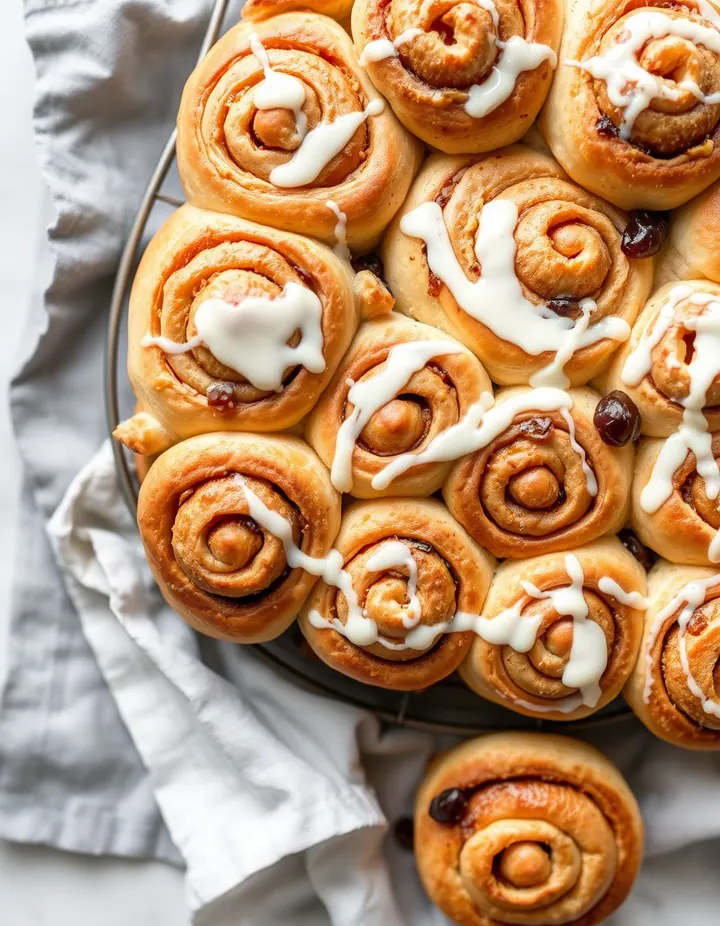 Cinnamon Rolls71 recipes
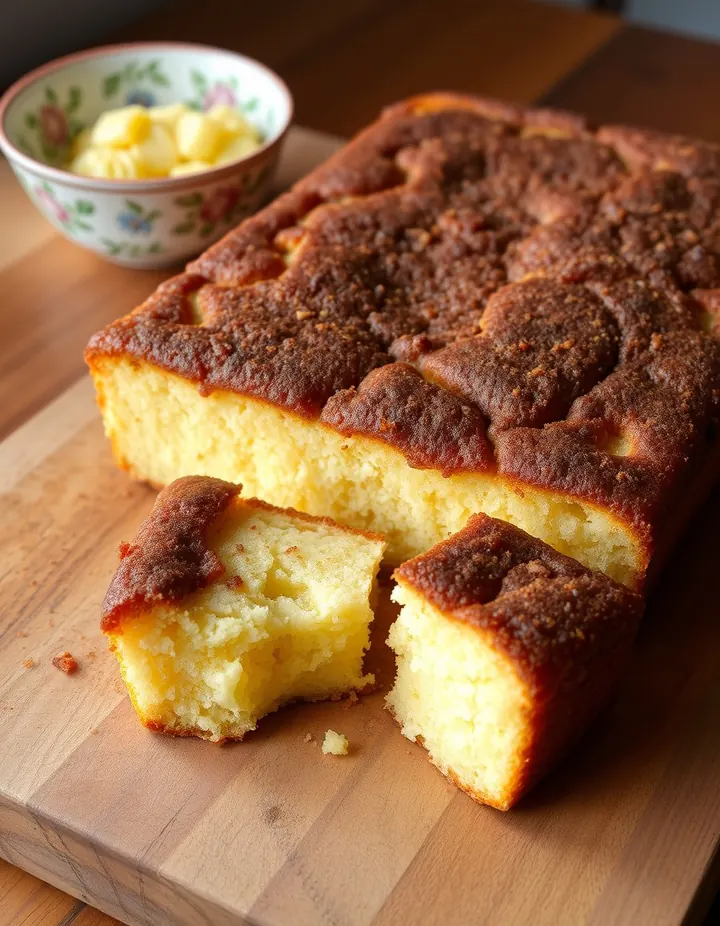 Cinnamon Cake42 recipes
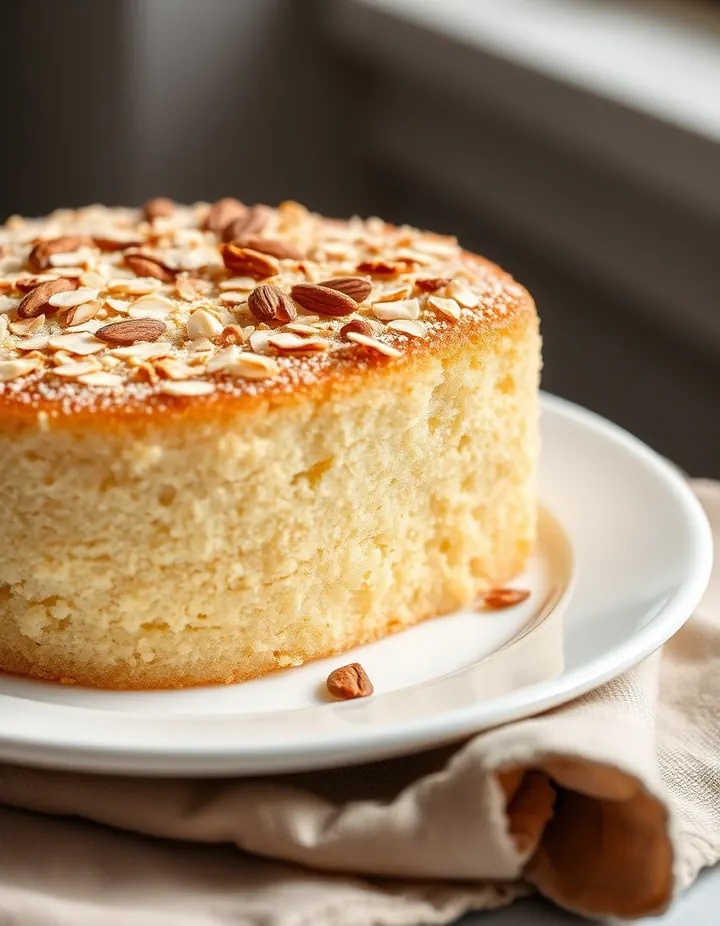 Almond Sponge Cake26 recipes
 Almond Custard22 recipes
The free Flavor Lab newsletter: one surprising pairing a week and the molecular reason it works, in 60 seconds. No spam, unsubscribe anytime.
Prefer an account? Create a free account to save pairings and unlock the full chemistry.