Why it works: Tea and apricot work together. They rank in the top 15% of all ingredient pairs, and cooks put them together in 34 recipes. Both carry 4-methoxybenzaldehyde, which smells sweet, anise. The science ↓
Eggs and Bacon in Flummery
Ingredients
Directions
Make the layers
Color part of the flummery pink with cochineal.
Dip a potting pot in cold water and pour in red flummery to the thickness of a coin.
Layer with white flummery, then another layer of red, and finish with a thicker layer of white.
Ensure each layer is stiff and cold before adding the next.
Set and unmould
Place a large spoonful of white flummery into each tea-cup and let them stand overnight.
Turn the flummery out of the potting pots onto a plate with cold water.
Cut the flummery into thin slices and arrange on a china dish.
Assemble and garnish
Turn the flummery from the cups onto the dish, removing a bit from the top of each and adding half a preserved apricot to resemble a poached egg yolk.
Garnish with flowers.
Transcribed from a scanned cookbook and modernised for today's kitchens. Where the book gave no heat or time, or said "a moderate oven", the temperatures and times here may be modern equivalents rather than the book's own figures.
Explore the science
The flavor team
The pairs that carry this dish. Each one is judged two ways: how much their aromas overlap, and how often cooks already put them together.
-
Tea + apricottop 15% of all pairsSmell alikemoderateCooked together34 recipes
Shared aroma: 4-methoxybenzaldehyde (sweet, anise).
Ranks compare each pair with 20,000 random ingredient pairs on CompKitchen. How we score pairs
What each ingredient does
- Flummery
- Sets into a delicate, wobbly structure that holds the layered shape when chilled.
- Cochineal
- Provides the natural red coloring that creates the pink and red layers.
- Preserved apricots
- Adds fruity sweetness and a bright color that mimics a poached egg yolk.
The step that matters
Ensure each layer is stiff and cold before adding the next. If a layer is still soft or warm, the next layer will mix into it and blur the sharp colour divisions. Chilling lets each layer set firmly so the layers stay distinct when unmoulded.
“What each ingredient does” and “The step that matters” were written by Claude from this recipe’s own method and reviewed in samples by CompKitchen.
You might also like
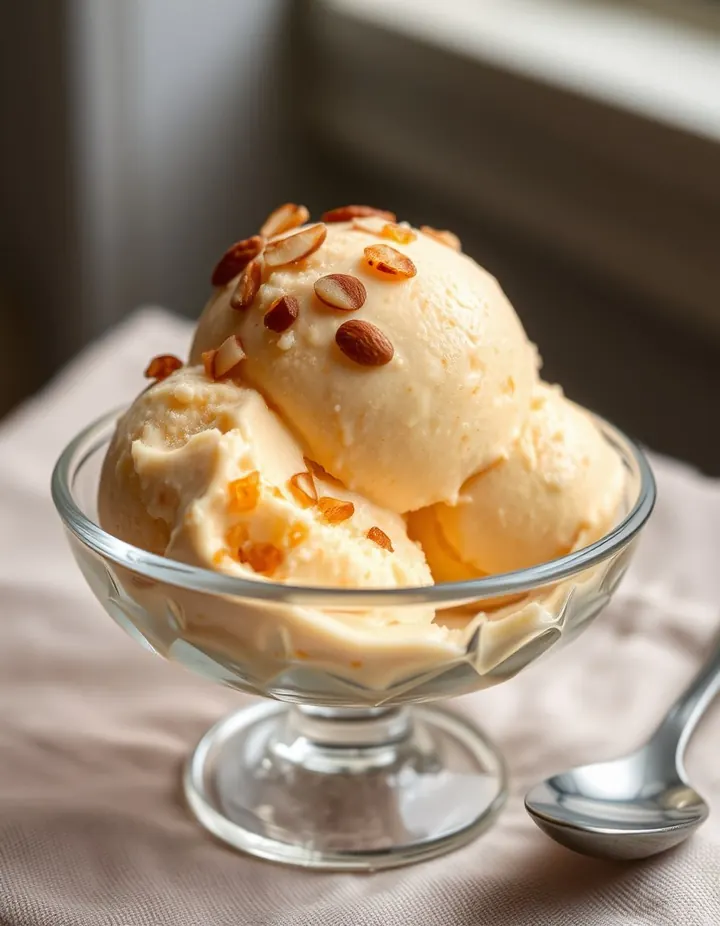 Apricot Ice Cream26 recipes
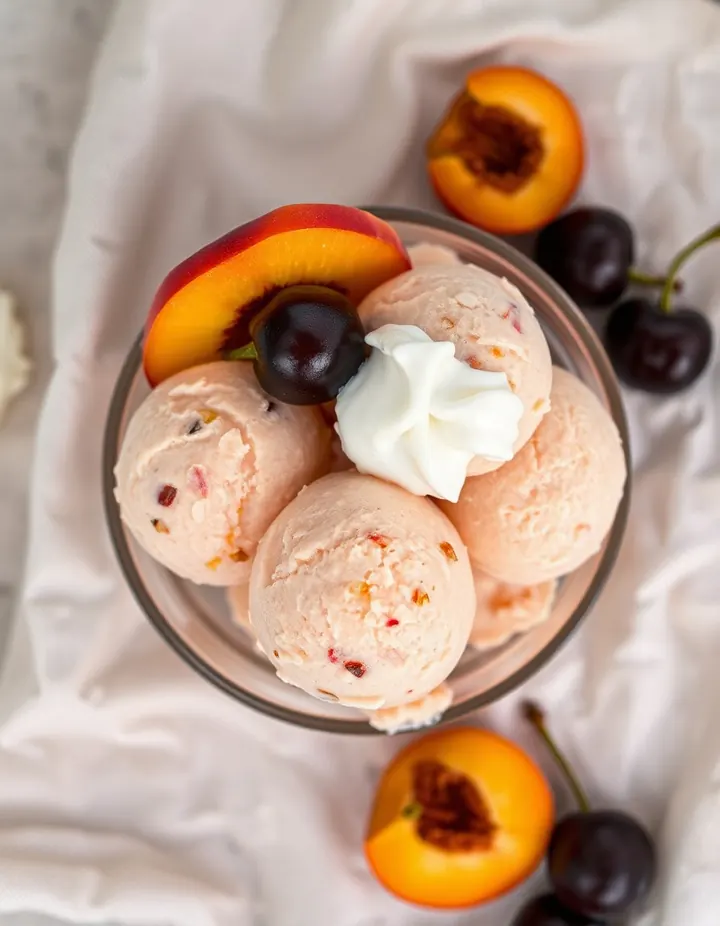 Mixed Fruit Sherbet6 recipes
 White Cake431 recipes
 Pound Cake373 recipes
The free Flavor Lab newsletter: one surprising pairing a week and the molecular reason it works, in 60 seconds. No spam, unsubscribe anytime.
Prefer an account? Create a free account to save pairings and unlock the full chemistry.