Why it works: Cinnamon and clove match in chemistry and in kitchens. They rank in the top 1% of all ingredient pairs, and cooks put them together in 14,189 recipes. Both carry ethyl cinnamate, which smells sweet, balsamic. The science ↓
Green Pickle
Ingredients
Directions
Cure the pickles
Soak the pickles in strong brine for three weeks, ensuring they are always covered.
Drain the brine and pour boiling water over the pickles for three consecutive mornings.
After the last boiling, soak the pickles in cold water for two days, changing the water each morning.
Scald the pickles in weak vinegar for three mornings, using a mixture of 2 quarts water to 1 quart vinegar.
Alum and pack
Layer the pickles in a jar, sprinkling powdered alum on each layer, then fill with the weakened vinegar.
Only use alum on the first day; for the next two days, pour off the vinegar and add fresh.
Fill jars with the prepared pickles and pour over them seasoned boiling vinegar.
Season the vinegar
To season one gallon of vinegar, mix brown sugar, allspice, cinnamon, ginger, black pepper, oil of cloves, celery seed, red pepper, and grated horseradish.
Transcribed from a scanned cookbook and modernised for today's kitchens. Where the book gave no heat or time, or said "a moderate oven", the temperatures and times here may be modern equivalents rather than the book's own figures.
Explore the science
The flavor team
The pairs that carry this dish. Each one is judged two ways: how much their aromas overlap, and how often cooks already put them together.
-
Cinnamon + clovetop 1% of all pairsSmell alikestrongCooked together14,189 recipes
Shared aroma: ethyl cinnamate (sweet, balsamic).
-
Allspice + clovetop 1% of all pairsSmell alikestrongCooked together7,874 recipes
Shared aroma: estragole (anise, licorice).
-
Allspice + cinnamontop 1% of all pairsSmell alikestrongCooked together5,536 recipes
Shared aroma: estragole (anise, licorice).
-
Cinnamon + gingertop 1% of all pairsSmell alikestrongCooked together6,380 recipes
Shared aroma: estragole (anise, licorice).
-
Ginger + clovetop 1% of all pairsSmell alikestrongCooked together6,038 recipes
Shared aroma: estragole (anise, licorice).
Ranks compare each pair with 20,000 random ingredient pairs on CompKitchen. How we score pairs
What each ingredient does
- Pickles
- The main food being cured, softened and transformed over the long soaking process.
- Brown sugar
- Adds sweetness that balances the sharp vinegar and spices.
- Vinegar
- Provides acidity that preserves the pickles and gives them their sour flavor.
- Alum (in the method)
- Helps the pickles stay firm and crisp during the long curing process.
- Cloves
- Adds warm aromatic flavor to the seasoned pickling vinegar.
- Horseradish
- Adds sharp pungency to the seasoned vinegar.
The step that matters
Changing the water and vinegar on schedule. Repeated soaking and boiling draws out salt, bitterness and fermentation byproducts while the pickles firm up. Skipping a change or a boiling leaves the brine and vinegar weaker or dirtier, so the pickles can soften or spoil.
Swap the ginger
How well each one fits the dish's main ingredients (egg, vinegar, sugar, allspice, cinnamon, pepper, clove):
- Nutmegfits better
- Cardamomfits about as well
- Gingerthe original
- Tarragonfits less well
Fit is the average pairing score against egg, vinegar, sugar, allspice, cinnamon, pepper, clove. Candidates are from the same food group and used in at least 100 recipes.
“What each ingredient does” and “The step that matters” were written by Claude from this recipe’s own method and reviewed in samples by CompKitchen.
You might also like
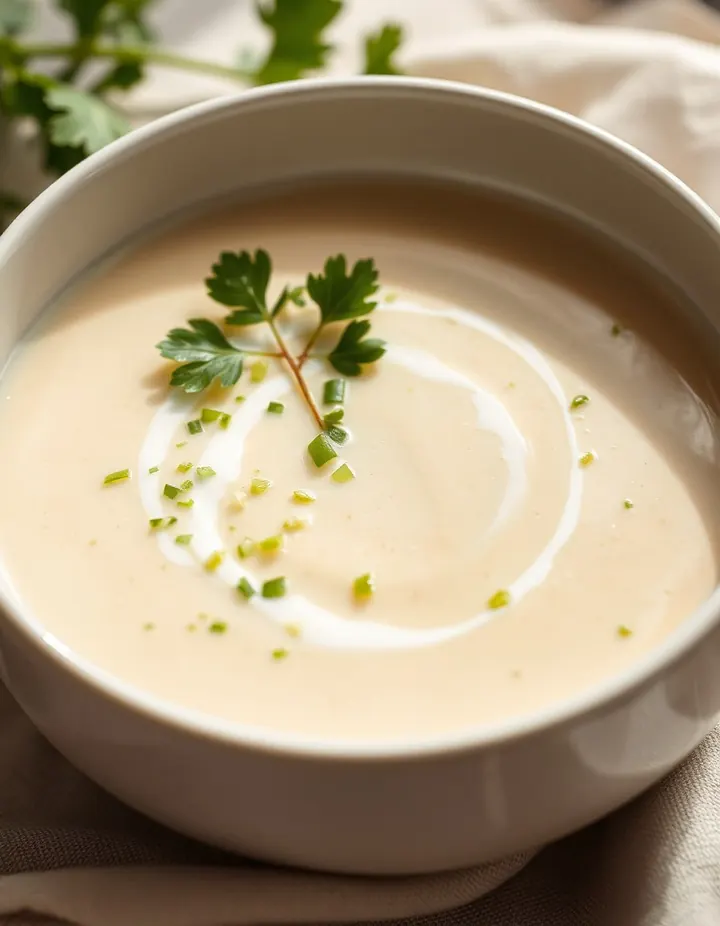 Cream of Celery Soup113 recipes
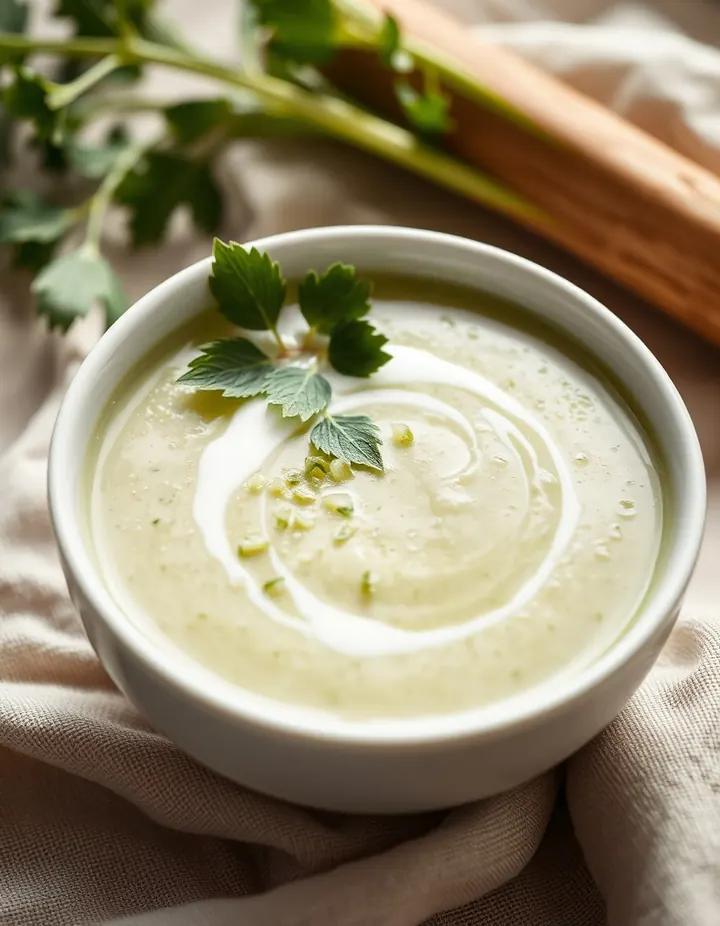 Celery Stew25 recipes
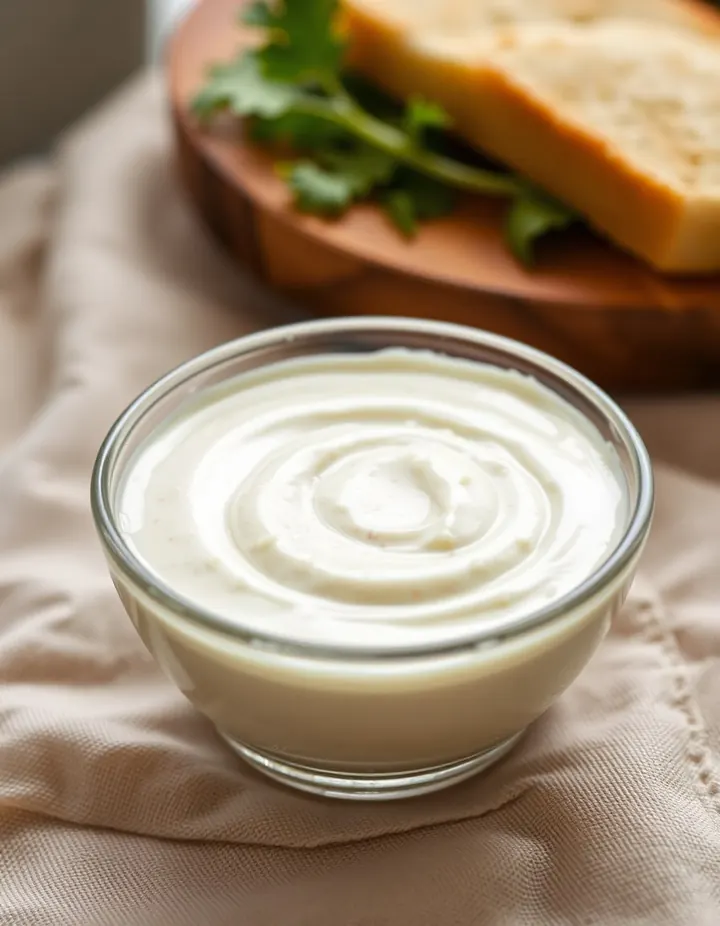 Horseradish Sauce17 recipes
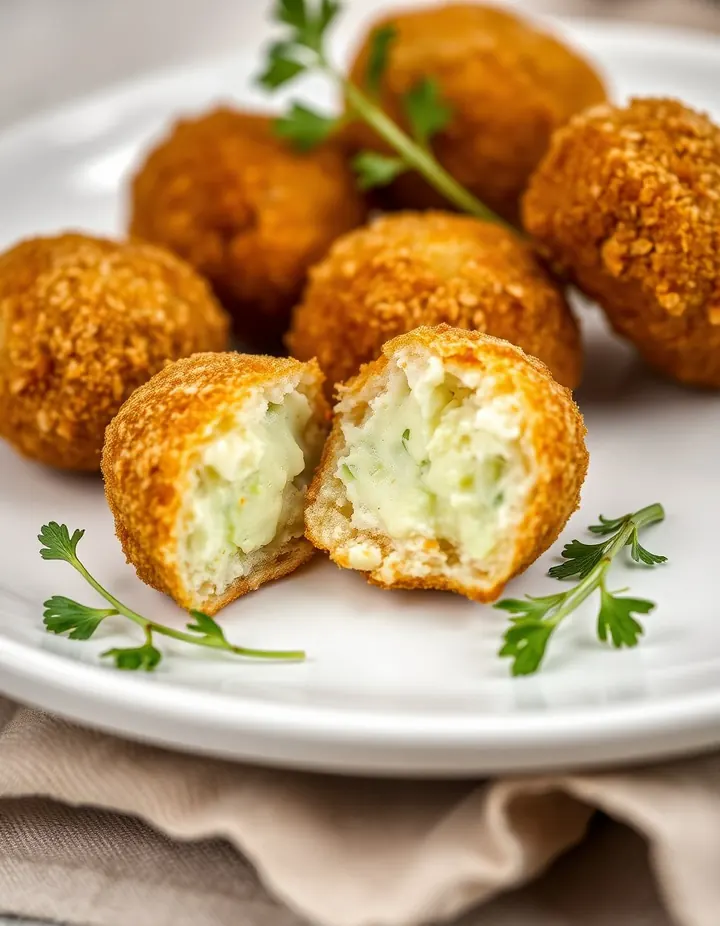 Celery Croquettes16 recipes
The free Flavor Lab newsletter: one surprising pairing a week and the molecular reason it works, in 60 seconds. No spam, unsubscribe anytime.
Prefer an account? Create a free account to save pairings and unlock the full chemistry.