Why it works: Onion and sesame match in chemistry and in kitchens. They rank in the top 4% of all ingredient pairs, and cooks put them together in 2,192 recipes. Both carry gamma-nonanolactone, which smells coconut, sweet. The science ↓
Shu Mai
Ingredients
Directions
Prepare the filling
Stir together ground beef, ginger, green onions, soy sauce, sugar, sesame oil, and cornstarch in a bowl until the mixture becomes very sticky.
Divide mixture into 24 parts.
Wrap and steam
Holding tips of index finger and thumb together, place a wonton skin on top and top the skin with a portion of the meat.
Gently press the meat into the hole made by your fingers coming together to get the wrapper to come around the sides of the meat.
Gently flatten the bottom of the shu mai.
Repeat with the remaining wrappers and meat.
Place a pea in the center of the meat on each shu mai and top the meat with a thin coating of oil.
Place shu mai in a steamer basket and steam for 12-14 minutes over high heat.
Make the sauce
Combine mirin, soy sauce, and dashi in a small saucepan; bring to a boil.
Boil mixture for 1-2 minutes then allow to cool.
Nutrition, whole recipe (rough)
What these numbers assume: 8 portions
| Ingredient | Portion assumed | kcal |
|---|---|---|
| Flour | 1 cup (125g) all-purpose | 455 |
| Beef | 100g cooked | 250 |
| Sesame | 1 tbsp (14g) | 120 |
| Pea | 1/2 cup (72g) | 62 |
| Sugar | 1 tbsp (12.5g) granulated | 49 |
| Onion | 1 medium (110g) | 44 |
| Soy Sauce | 1 tbsp (15ml) | 9 |
| Ginger | 1 tsp grated fresh (2g) | 2 |
One typical portion per ingredient; the recipe's quantities are not counted. A rough guide only, not for medical or dietary planning.
Steps grouped into stages for easier reading; the method is the source's own.
Explore the science
The flavor team
The pairs that carry this dish. Each one is judged two ways: how much their aromas overlap, and how often cooks already put them together.
-
Onion + sesametop 4% of all pairsSmell alikestrongCooked together2,192 recipes
Shared aroma: gamma-nonanolactone (coconut, sweet).
-
Ginger + sesametop 4% of all pairsSmell alikemoderateCooked together1,531 recipes
Shared aroma: nonanal (fat, citrus).
-
Beef + oniontop 7% of all pairsSmell alikemoderateCooked together17,092 recipes
Shared aroma: 2-isopropyl-3-methoxypyrazine (earthy, pea).
-
Ginger + oniontop 9% of all pairsSmell alikemoderateCooked together7,595 recipes
Shared aroma: 2-isopropyl-3-methoxypyrazine (earthy, pea).
-
Beef + sesametop 10% of all pairsSmell alikemoderateCooked together392 recipes
Shared aroma: 2-furfurylthiol (coffee, roasted).
Ranks compare each pair with 20,000 random ingredient pairs on CompKitchen. How we score pairs
What each ingredient does
- Lean ground beef
- Provides the main savory filling that holds the dumpling together.
- Cornstarch
- Binds the meat mixture and helps it become sticky so it holds its shape.
- Wonton skins
- Form the thin outer wrapper that encloses the filling and turns soft when steamed.
- Sesame oil
- Adds aroma and fat that keeps the filling moist and tender.
- Fresh ginger
- Adds aromatic, warm flavor that balances the richness of the beef.
The step that matters
Wrapping the shu mai. If the wrapper is pressed too hard or the filling is overpacked, the skin can tear and the filling may leak during steaming. Gentle pressing keeps the wrapper intact and the filling sealed.
Swap the peas
How well each one fits the dish's main ingredients (beef, ginger, onion, sauce, sugar, sesame):
- Peanutfits better
- Mung beanfits better
- Cashew nutfits better
- Peasthe original
Fit is the average pairing score against beef, ginger, onion, sauce, sugar, sesame. Candidates are from the same food group and used in at least 100 recipes.
“What each ingredient does” and “The step that matters” were written by Claude from this recipe’s own method and reviewed in samples by CompKitchen.
You might also like
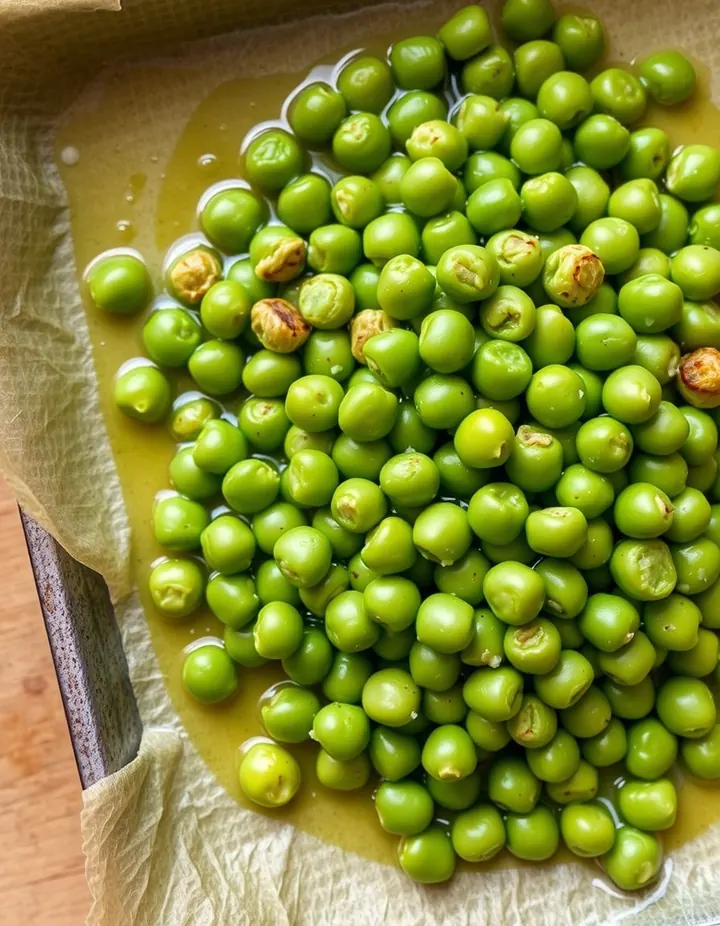 Green Peas229 recipes
 Roast Beef211 recipes
 Beef Loaf175 recipes
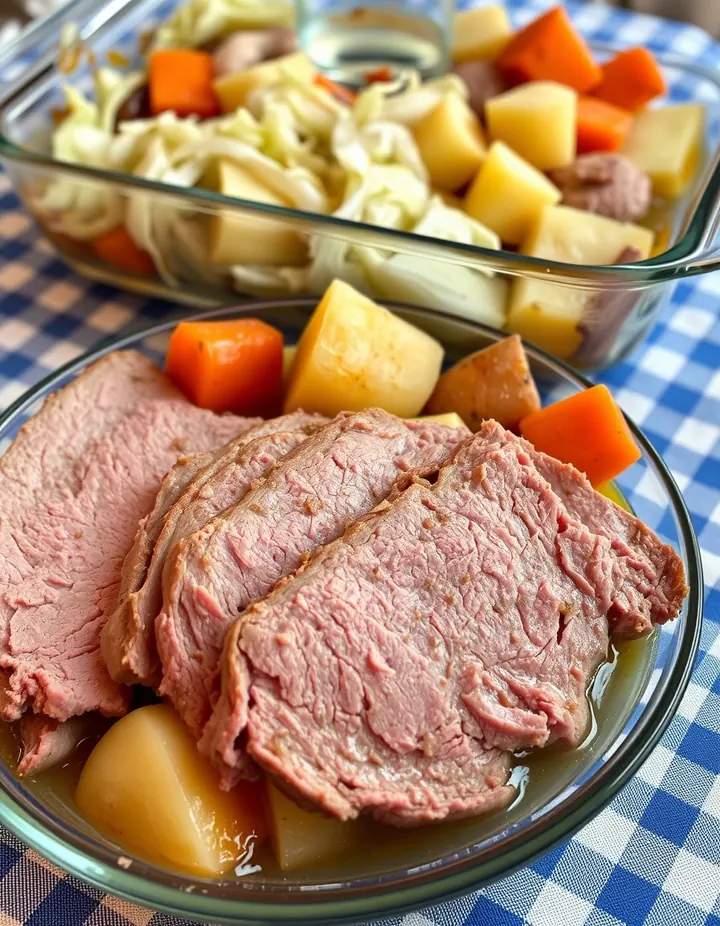 Corned Beef87 recipes
The free Flavor Lab newsletter: one surprising pairing a week and the molecular reason it works, in 60 seconds. No spam, unsubscribe anytime.
Prefer an account? Create a free account to save pairings and unlock the full chemistry.