Why it works: Wheat and milk are a kitchen classic. They rank in the top 6% of all ingredient pairs, and cooks put them together in 2,418 recipes. Both carry (e,z)-2,6-nonadienal, which smells cucumber, melon. The science ↓
Swedish Breakfast Crackers
Ingredients
Directions
Prepare
Preheat the oven to 400 °F.
Lightly grease baking sheets without sides.
Cream the butter with the sugar.
Add the egg and beat until light.
Stir the flours together with the baking powder and salt.
Add the flour mixture to the creamed mixture along with the milk. Mix until well blended.
Shape and bake
Divide the dough into two equal parts. Flatten each half of the dough.
Place one flattened dough on each baking sheet.
Sprinkle lightly with flour.
Roll the dough out directly on the baking sheet until the dough is 1/4 inch thick.
Pierce all over with a fork.
Cut into 2 × 3‑inch rectangles, leaving them in place.
Bake for 12 to 15 minutes.
Cut the crackers where they were scored to separate.
Crisp
Leave the crackers on the baking sheet.
Return the crackers to the oven to crisp, about 10 minutes.
Nutrition, whole recipe (rough)
What these numbers assume: 6 portions
| Ingredient | Portion assumed | kcal |
|---|---|---|
| Flour | 1 cup (125g) all-purpose | 455 |
| Milk | 1 cup (244ml) whole | 149 |
| Butter | 1 tbsp (14g) | 102 |
| Egg | 1 large egg (50g) | 78 |
| Sugar | 1 tbsp (12.5g) granulated | 49 |
| Salt | 1 tsp (6g) | 0 |
One typical portion per ingredient; the recipe's quantities are not counted. A rough guide only, not for medical or dietary planning.
Steps grouped into stages for easier reading; the method is the source's own.
Explore the science
The flavor team
The pairs that carry this dish. Each one is judged two ways: how much their aromas overlap, and how often cooks already put them together.
-
Wheat + milktop 6% of all pairsSmell alikemoderateCooked together2,418 recipes
Shared aroma: (e,z)-2,6-nonadienal (cucumber, melon).
-
Butter + milktop 7% of all pairsSmell alikemoderateCooked together81,283 recipes
Shared aroma: (z)-4-heptenal (biscuit, cream).
-
Wheat + flourtop 12% of all pairsSmell alikemoderateCooked together4,373 recipes
Shared aroma: isobutyraldehyde (malty, green).
-
Butter + flourtop 12% of all pairsSmell alikelowCooked together124,287 recipes
Shared aroma: isobutyraldehyde (malty, green).
-
Butter + wheattop 14% of all pairsSmell alikemoderateCooked together2,002 recipes
Shared aroma: (z)-4-heptenal (biscuit, cream).
Butter and flour barely smell alike, yet cooks put them together in 124,287 recipes: they work on texture and structure more than aroma.
Ranks compare each pair with 20,000 random ingredient pairs on CompKitchen. How we score pairs
What each ingredient does
- Whole-wheat flour
- Adds a nutty flavor and a sturdy, slightly coarse structure to the crackers.
- All-purpose flour
- Provides gluten for structure so the rolled dough holds together and stays crisp.
- Baking powder
- Releases gas in the dough to give the crackers a light, open lift.
- Butter
- Adds fat that tenderizes the dough and contributes flavor and crispness.
- Milk
- Hydrates the flour and adds richness, browning and a softer dough.
- Egg
- Binds the dough and adds richness and structure.
The step that matters
Roll the dough to an even 1/4 inch thickness. Even thickness makes the crackers bake and dry at the same rate, so thin spots do not burn while thick spots stay soft. Piercing with a fork lets steam escape and keeps the crackers flat.
“What each ingredient does” and “The step that matters” were written by Claude from this recipe’s own method and reviewed in samples by CompKitchen.
You might also like
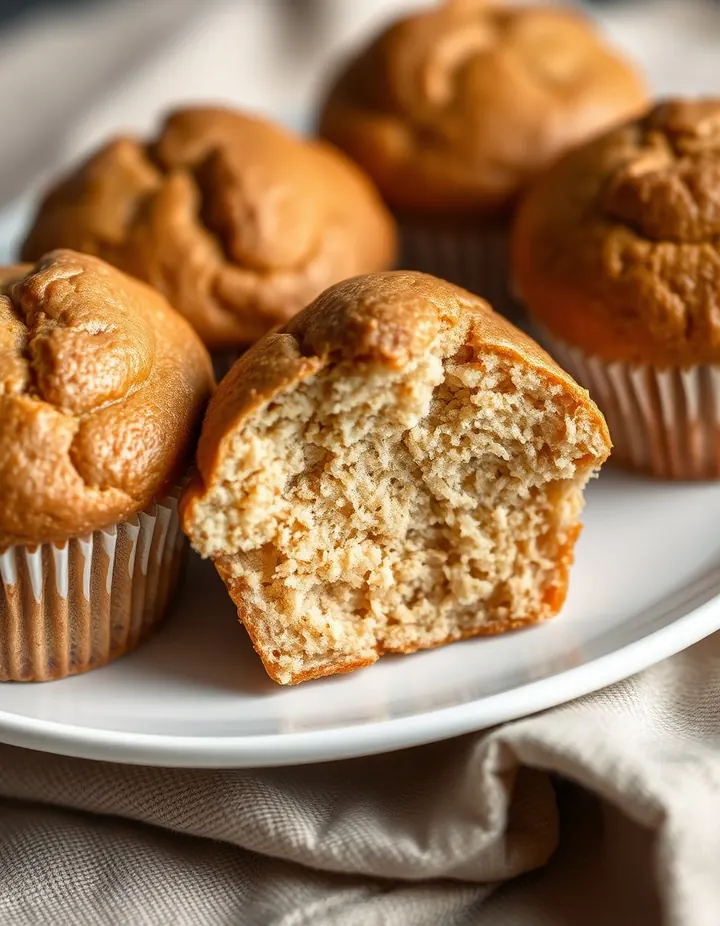 Wheat Muffins48 recipes
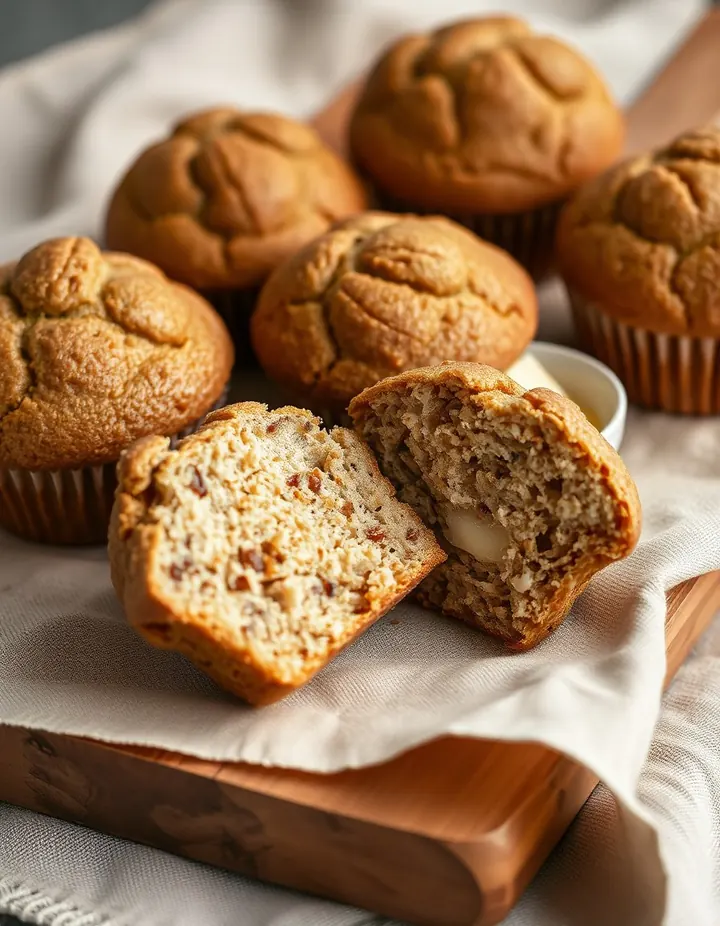 Whole Wheat Muffins12 recipes
 White Cake431 recipes
 Pound Cake373 recipes
The free Flavor Lab newsletter: one surprising pairing a week and the molecular reason it works, in 60 seconds. No spam, unsubscribe anytime.
Prefer an account? Create a free account to save pairings and unlock the full chemistry.