Why it works: Eggplant and asparagus share more aroma than cooks usually use. They rank in the top 7% of all ingredient pairs, and 17 recipes mention both. Both carry guaiacol, which smells smoky, sweet. The science ↓
The recipe
Ingredients
Contains: milk, wheat (auto-detected from the ingredients and method; we can miss things, so check labels)
Directions
Make the dough
Combine 1 cup warm water, yeast and sugar.
Let stand until yeast starts to foam, about five minutes.
Place flour and salt in mixer.
Turn mixer on and slowly add yeast mixture.
Add the oil and knead dough 10 minutes.
If necessary, add more water until the dough holds shape without feeling sticky.
Let dough rise in warm spot until double in bulk.
Punch dough down and let rest 15 minutes.
Divide dough into 12 portions.
Form each portion into an 8-inch round.
Top and bake
Place eggplant in the center of the dough.
Drizzle with 2 tbsp. of olive oil.
Alternating tomato and asparagus, place on top of eggplant.
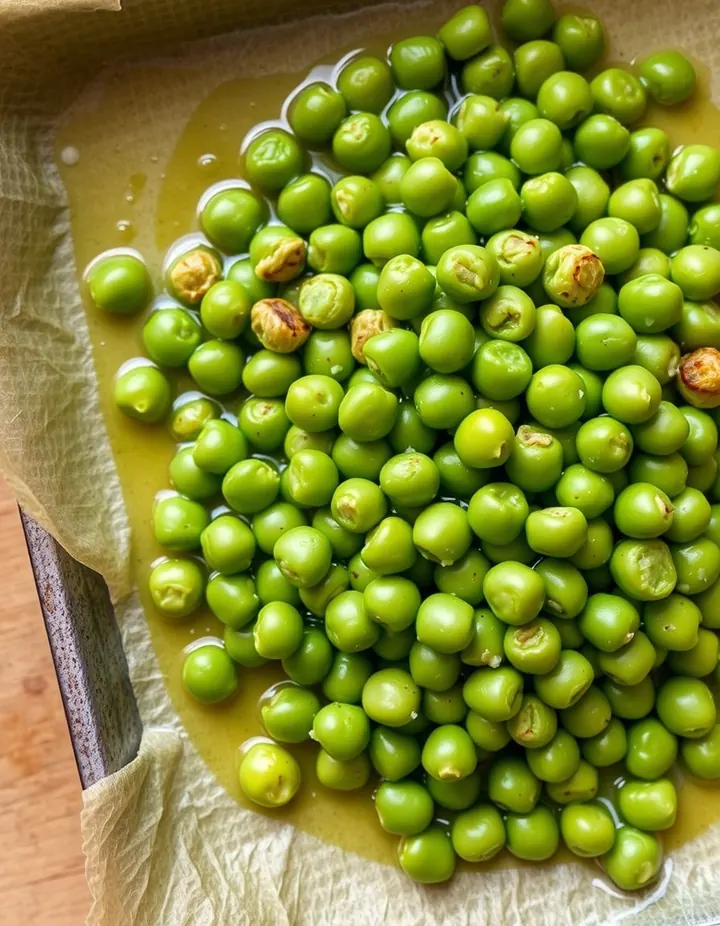
Layer snow peas on top of tomatoes and asparagus.
Fill the center of the pizza with 1/4 cup Ricotta cheese.
Top with mushrooms.
Sprinkle pizza with 2 tbsp. of olive oil and 1/2 cup Mozzarella cheese.
Dot remaining Ricotta cheese over pizza.
Place pizza in a 400 degree oven for 20 minutes, or until crust is golden brown.
Remove from oven and top each pizza with half of a sliced avocado.
This recipe comes from the Recipes Wiki on Fandom and is licensed CC BY-SA 4.0. Our formatting and summaries are shared under the same licence.
Steps grouped into stages for easier reading; the method is the source's own.
Explore the science
The flavor team
The pairs that carry this dish. Each one is judged two ways: how much aroma chemistry they share, and how many recipes mention both.
-
Eggplant + asparagustop 7% of all pairsAroma overlapstrongMentioned together17 recipes
Shared aroma: guaiacol (smoky, sweet).
-
Olive + tomatotop 1% of all pairsAroma overlapstrongMentioned together14,164 recipes
Shared aroma: 3-hexenal (apple, fruity).
-
Asparagus + peastop 2% of all pairsAroma overlapstrongMentioned together807 recipes
Shared aroma: 2-isopropyl-3-methoxypyrazine (earthy, pea).
-
Eggplant + tomatotop 2% of all pairsAroma overlapstrongMentioned together651 recipes
Shared aroma: guaiacol (smoky, sweet).
-
Olive + eggplanttop 3% of all pairsAroma overlapstrongMentioned together852 recipes
Shared aroma: 1-hexanol (resin, flower).
Ranks compare each pair with 20,000 random ingredient pairs on CompKitchen. How we score pairs
What each ingredient does
- Bread flour
- Forms the gluten network that gives the crust its structure and chew.
- Yeast
- Produces gas as it ferments, making the dough rise and become airy.
- Olive oil
- Adds fat that keeps the crust tender and helps it brown.
- Ricotta cheese
- Adds creamy moisture and mild richness to the topping.
- Mozzarella cheese
- Melts and stretches over the toppings, giving a browned, gooey layer.
The step that matters
Let the dough rise until double in bulk. The yeast needs time and warmth to produce enough gas for the dough to expand. Underproofed dough bakes dense, so wait for the full rise before shaping.
Flavor stand-ins for the eggplant
How well each one fits the dish's main ingredients (sugar, bread, flour, olive, tomato, asparagus, peas):
- Capsicumbetter flavor fit
- Potatobetter flavor fit
- Cucumberbetter flavor fit
- Eggplantthe original
Fit is the average pairing score against sugar, bread, flour, olive, tomato, asparagus, peas. Candidates are from the same food group and used in at least 100 recipes. This compares flavor only: it does not check the job the ingredient does in the dish (bulk, moisture, acidity, structure).
“What each ingredient does” and “The step that matters” were written by Claude from this recipe’s own method and reviewed in samples by CompKitchen.
You might also like
 Illustration
 Illustration
 Illustration
 Illustration
The Sunday pairing: one pairing, the chemistry behind it, and how to cook it. No spam, unsubscribe anytime.
Prefer an account? Create a free account for sign-in; Pro adds the full results and chemistry.