Why it works: Corn and peanut match in chemistry and in kitchens. They rank in the top 6% of all ingredient pairs, and cooks put them together in 346 recipes. Both carry 2,4-decadienal, which smells seaweed. The science ↓
Edible Play Dough I
Ingredients
Directions
Make the dough
Mix flour and oatmeal in blender and grind for about 30 seconds.
Add 1 cup water and knead.
Add corn syrup, peanut butter, nonfat milk, and confectioners sugar. Combine and knead well.
Add more flour or powdered milk if dough is still sticky.
Add dry milk or flour until not sticky.
Decorate and vary
Put out bowls of chocolate chips, butterscotch chips, sunflower seeds, or peanuts to decorate creations.
Mix 16 oz peanut butter with 6 tablespoons honey (variation).
Add chocolate chips if desired.
Do not feed honey to children under 1 year to avoid food poisoning.
Nutrition, whole recipe (rough)
Counts 6 of 8 ingredients. The other 2 aren't in our nutrition table and add nothing above, so the real totals are higher.
What these numbers assume: 6 portions
| Ingredient | Portion assumed | kcal |
|---|---|---|
| Flour | 1 cup (125g) all-purpose | 455 |
| Peanut | 1 oz (28g) | 161 |
| Oat | 1/2 cup dry (40g) | 154 |
| Milk | 1 cup (244ml) whole | 149 |
| Corn | 1/2 cup kernels (82g) | 77 |
| Sugar | 1 tbsp (12.5g) granulated | 49 |
| Water | not in our table | 0 |
| Syrup | not in our table | 0 |
One typical portion per ingredient; the recipe's quantities are not counted. A rough guide only, not for medical or dietary planning.
Steps grouped into stages for easier reading; the method is the source's own.
Explore the science
The flavor team
The pairs that carry this dish. Each one is judged two ways: how much their aromas overlap, and how often cooks already put them together.
-
Corn + peanuttop 6% of all pairsSmell alikestrongCooked together346 recipes
Shared aroma: 2,4-decadienal (seaweed).
-
Syrup + sugartop 6% of all pairsSmell alikestrongCooked together5,842 recipes
Shared aroma: ethanol (alcoholic, ethereal).
-
Butter + milktop 7% of all pairsSmell alikemoderateCooked together81,283 recipes
Shared aroma: (z)-4-heptenal (biscuit, cream).
-
Corn + milktop 10% of all pairsSmell alikemoderateCooked together6,955 recipes
Shared aroma: hexanal (green, grassy).
-
Flour + buttertop 12% of all pairsSmell alikelowCooked together124,287 recipes
Shared aroma: isobutyraldehyde (malty, green).
Flour and butter barely smell alike, yet cooks put them together in 124,287 recipes: they work on texture and structure more than aroma.
Ranks compare each pair with 20,000 random ingredient pairs on CompKitchen. How we score pairs
What each ingredient does
- Flour
- Absorbs liquid and forms the dough's basic structure, so it holds its shape.
- Oatmeal
- Adds bulk and a grainy, chewy texture to the dough.
- Corn syrup
- Keeps the dough moist and pliable, slowing it from drying out.
- Peanut butter
- Adds fat and binding, giving the dough a smooth, soft texture.
- Nonfat dry milk
- Absorbs moisture and firms the dough, reducing stickiness.
- Confectioner's sugar
- Adds sweetness and a fine texture that softens the dough.
The step that matters
Adjusting stickiness with flour or dry milk. Dry ingredients absorb surplus moisture from the syrup and peanut butter. Adding them gradually, kneading between additions, prevents a dough that is too wet or too stiff.
Swap the peanut
How well each one fits the dish's main ingredients (flour, corn, syrup, butter, milk, sugar):
- Almondfits better
- Chestnutfits better
- Hazelnutfits about as well
- Peanutthe original
Fit is the average pairing score against flour, corn, syrup, butter, milk, sugar. Candidates are from the same food group and used in at least 100 recipes.
“What each ingredient does” and “The step that matters” were written by Claude from this recipe’s own method and reviewed in samples by CompKitchen.
You might also like
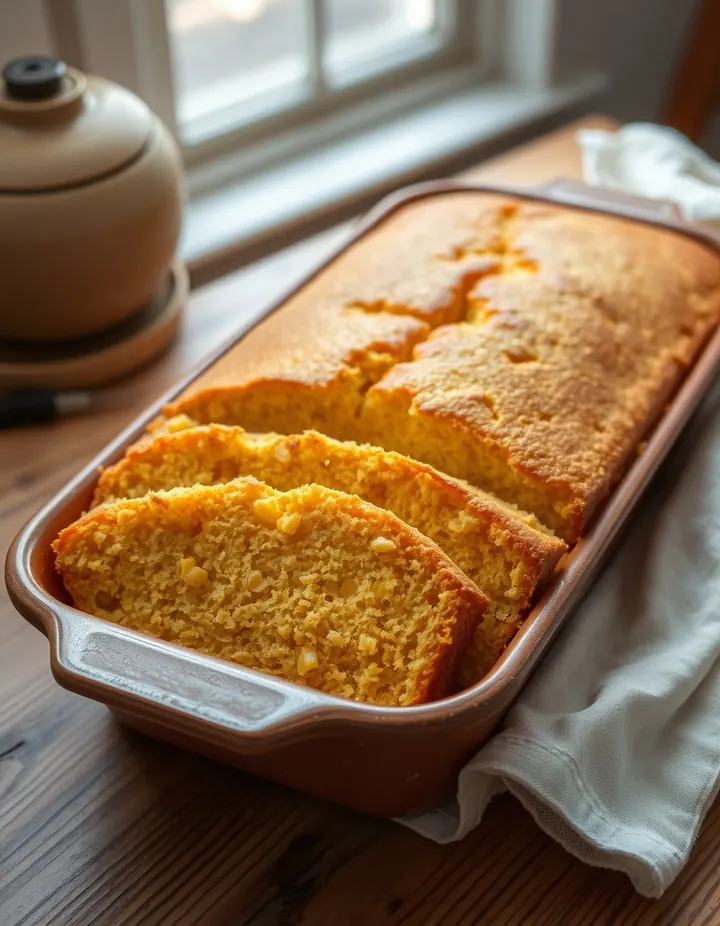 Corn Cake90 recipes
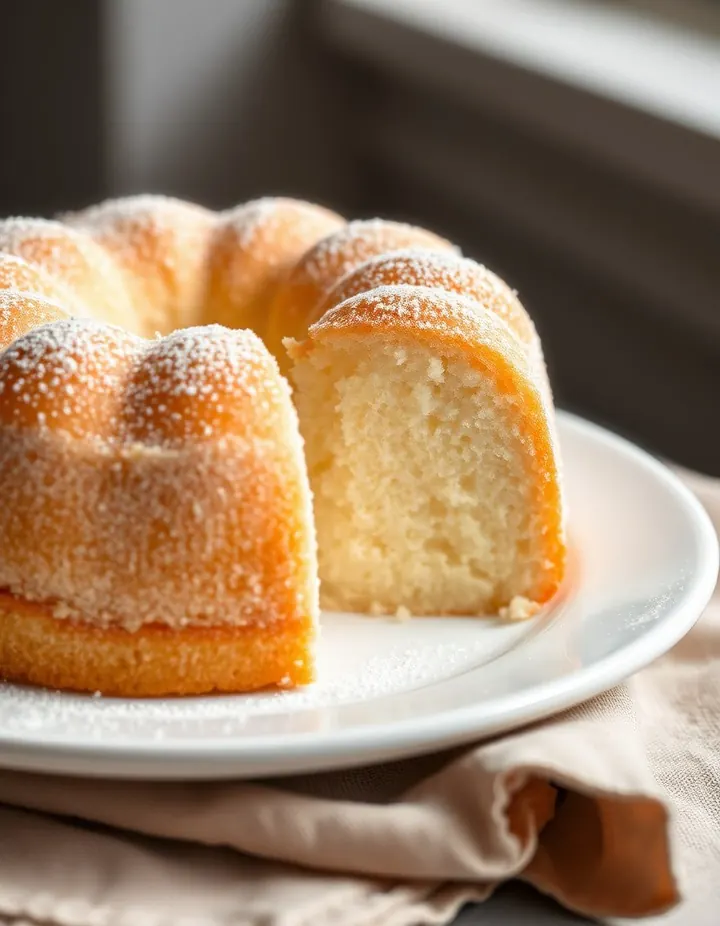 Corn Starch Cake89 recipes
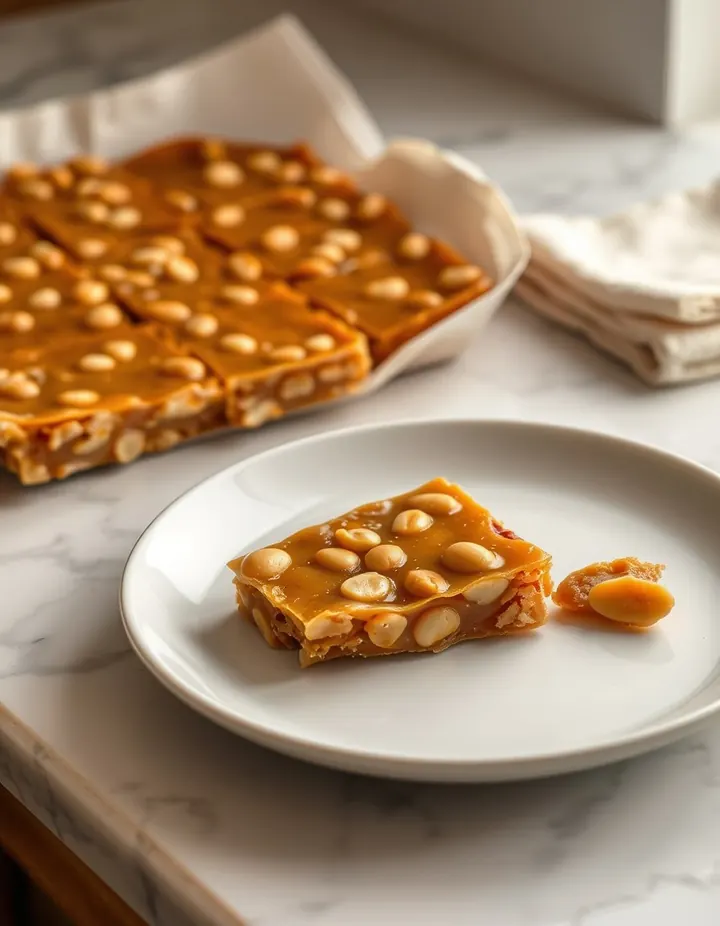 Peanut Candy82 recipes
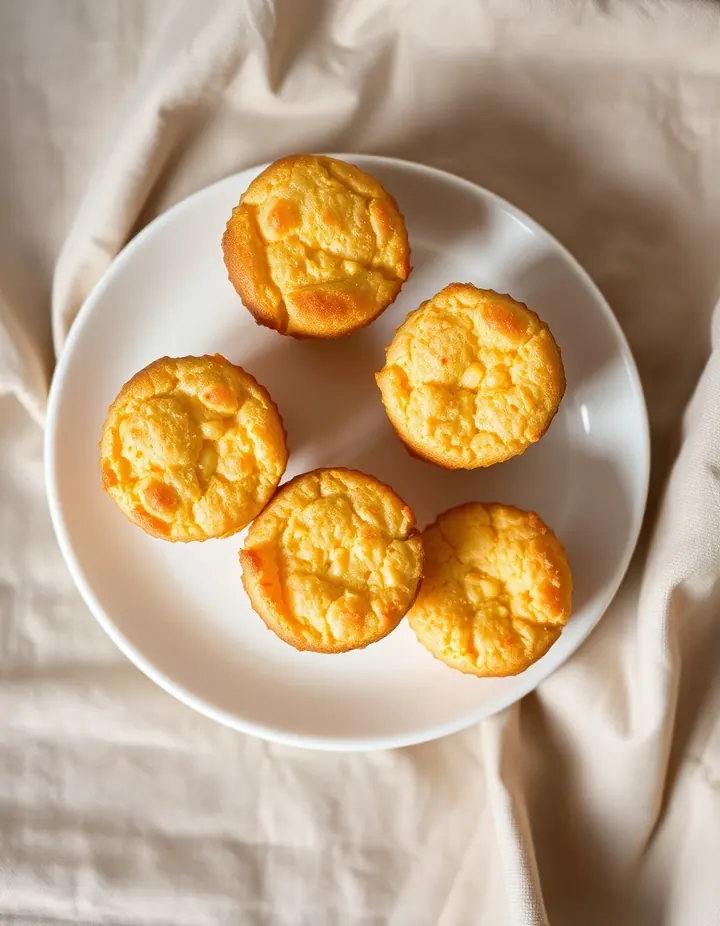 Corn Cakes22 recipes
The free Flavor Lab newsletter: one surprising pairing a week and the molecular reason it works, in 60 seconds. No spam, unsubscribe anytime.
Prefer an account? Create a free account to save pairings and unlock the full chemistry.