Why it works: Lemon and nutmeg match in chemistry and in kitchens. They rank in the top 5% of all ingredient pairs, and 11,318 recipes mention both. Both carry beta-phellandrene, which smells minty, terpene. The science ↓
Spoon River Rolled Cookies
Ingredients
Directions
Make the dough
Cream shortening and sugar together at medium speed until well blended.
Add eggs and flavorings, and beat at medium speed until creamy, scraping down the bowl before and after adding eggs and flavorings.
Stir flour, nutmeg if desired, baking powder, baking soda and salt together to blend well; add, along with sour cream to creamy.
Cover and refrigerate from 3 hours to overnight.
Return dough to room temperature.
Shape and bake
Roll out on a lightly floured board to ¼" thick.
Cut with a 2 ½ round cutter or an equivalent (see note below).
Place dough on cookie sheets that have been sprayed with pan spray or lined luminum foil.
Bake at 350°F for 8 to 10 minutes, or until cookies are lightly browned.
Remove them to a wire rack and cool to room temperature.
This recipe comes from the Recipes Wiki on Fandom and is licensed CC BY-SA 4.0. Our formatting and summaries are shared under the same licence.
Steps grouped into stages for easier reading; the method is the source's own.
Explore the science
The flavor team
The pairs that carry this dish. Each one is judged two ways: how much aroma chemistry they share, and how many recipes mention both.
-
Lemon + nutmegtop 5% of all pairsAroma overlapstrongMentioned together11,318 recipes
Shared aroma: beta-phellandrene (minty, terpene).
-
Flour + nutmegtop 8% of all pairsAroma overlapmoderateMentioned together18,623 recipes
Shared aroma: isobutyraldehyde (malty, green).
-
Sugar + vanillatop 8% of all pairsAroma overlaplowMentioned together35,032 recipes
Shared aroma: beta-damascenone (apple, rose).
-
Sugar + creamtop 9% of all pairsAroma overlapmoderateMentioned together43,450 recipes
Shared aroma: 2,3-butanedione (butter, sweet).
-
Vanilla + nutmegtop 10% of all pairsAroma overlapstrongMentioned together2,781 recipes
Shared aroma: eucalyptol (eucalyptus, herbal).
Sugar and vanilla share little aroma chemistry, yet 35,032 recipes mention both: they likely work on texture and structure more than aroma.
Ranks compare each pair with 20,000 random ingredient pairs on CompKitchen. How we score pairs
What each ingredient does
- Vegetable shortening
- Creates a tender, short texture and helps the cookies hold their cut shape.
- Sugar
- Sweetens the dough and helps the cookies brown during baking.
- Eggs
- Add structure and richness, binding the dough together.
- All-purpose flour
- Provides the main structure that sets as the cookies bake.
- Baking soda
- Reacts with the acidic sour cream to lift and lighten the cookies.
- Sour cream
- Adds moisture and acidity, tenderizing the dough and activating the baking soda.
The step that matters
Chilling the dough. Chilling firms the fat so the dough rolls and cuts cleanly and spreads less in the oven. Rolling it cold-soft or skipping the rest can make the cutouts distort and bake flat.
Flavor stand-ins for the nutmeg
The recipe marks nutmeg as optional. How well each one fits the dish's main ingredients (sugar, egg, vanilla, lemon, flour, cream):
- Cinnamonabout as good a flavor fit
- Nutmegthe original
Fit is the average pairing score against sugar, egg, vanilla, lemon, flour, cream. Candidates are from the same food group and used in at least 100 recipes. This compares flavor only: it does not check the job the ingredient does in the dish (bulk, moisture, acidity, structure).
“What each ingredient does” and “The step that matters” were written by Claude from this recipe’s own method and reviewed in samples by CompKitchen.
You might also like
 Lemon Cake228 recipes
 Lemon Ice147 recipes
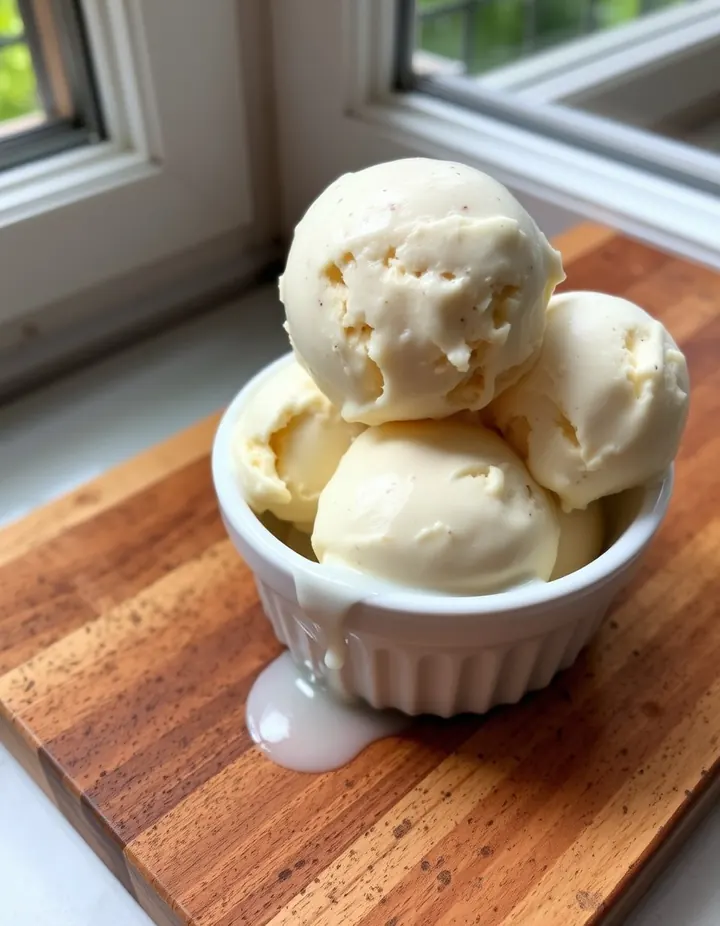 Vanilla Ice Cream108 recipes
 Lemon Sherbet103 recipes
The Sunday pairing: one pairing, the chemistry behind it, and how to cook it. No spam, unsubscribe anytime.
Prefer an account? Create a free account for sign-in; Pro adds the full results and chemistry.