Why it works: Pork and oregano work together. They rank in the top 10% of all ingredient pairs, and 875 recipes mention both. Both carry gamma-undecalactone, which smells peach, sweet. The science ↓
The recipe
Ingredients
Directions
Remove any excess fat from pork and discard. Cut ribs into smallest portions possible, or if using pork chunks, cut into 2 to 3 inch cubes.
Combine pork with lemon juice and 1/2 teaspoon each of seasonings listed. Seal and turn or shake to mix. Refrigerate for 2 hours or overnight, turning at least once.
Heat olive oil in large heavy pan over high heat. Drain any excess lemon juice and discard. Brown pork, stirring and scraping up from bottom frequently. Turn heat down slightly as pork starts to brown.
Add chopped red pepper and onion. Continue to saute, scraping and stirring. Don't allow the juices to burn; turn fire down as required.
Measure out and combine white rice, 1/2 tsp cumin, 2 tsp salt, black pepper, parsley and minced garlic. When onions and peppers start to brown (or if pan drippings start to get too dark), add rice mixture. Stir and scrape bottom for 1 minute more.
Add white wine and scrape to deglaze the pan. Add 4 cups of chicken broth (if you are short some of the broth, complete the liquid amount with water). Mix in the yellow rice/saffron seasoning.
Stir while bringing to a full boil. Cover tightly, and turn to lowest simmer for 20 minutes.
Shortly before the dish is finished, microwave the peas according to package instructions. Do not overcook.
Cut a thick piece of pork and check with a food thermometer that it reaches 145°F (63°C). If not, cover and simmer 5 more minutes, then check again. Let stand 3 minutes before serving.
When rice and pork dish are done, mix half the peas into the dish, and scatter the rest on top as garnish. Add pimento if desired. Refrigerate leftovers within 2 hours and eat within 3 to 4 days.
Original method from the source (1 step)
For reference only, not instructions. This text may include storage, bottling, preserving or cooking steps that don't meet current food-safety guidance. Use the method above.
Remove any excess fat from pork and discard. Cut ribs into smallest portions possible, or if using pork chunks, cut into 2" to 3" cubes. Combine pork with lemon juice and 1/2 teaspoon each of seasonings listed. Seal and turn or shake to mix. Refrigerate for 2 hours or overnight, turning at least once. Heat olive oil in large heavy pan over high heat. Drain any excess lemon juice and discard. Brown pork, stirring and scraping up from bottom frequently. Turn heat down slightly as pork starts to brown. Add chopped red pepper and onion. Continue to saute, scraping and stirring. Don't allow the juices to burn; turn fire down as required. Measure out and combine white rice, 1/2 tsp cumin, 2 tsp salt, black pepper, parsley and minced garlic. When onions and peppers start to brown (or if pan drippings start to get too dark), add rice mixture. Stir and scrape bottom for 1 minute more. Add white wine and scrape to deglaze the pan. Add 4 cups of chicken broth (if you are short some of the broth, complete the liquid amount with water). Mix in the yellow rice/saffron seasoning. Stir while bringing to a full boil. Cover tightly, and turn to lowest simmer for 20 minutes. Shortly before the dish is finished, microwave the peas according to package instructions. Do not overcook. When rice and pork dish are done, mix half the peas into the dish, and scatter the rest on top as garnish. You may also garnish with strips of canned or bottled pimento if desired. More at http://www.sneakykitchen.com/Recipes/porkribs_yellowrice.htm
This recipe comes from the Recipes Wiki on Fandom and is licensed CC BY-SA 4.0. Our formatting, summaries and food-safety edits to the method are shared under the same licence.
The method has been edited by AI to follow current food-safety guidance (safe cooking temperatures, refrigeration, no raw-egg shortcuts). It hasn't been kitchen-tested. The source's original method is under the method.
Found this recipe through an AI assistant? CompKitchen also shows which ingredients go well together and why, from the aroma molecules they share and how often recipes combine them. Try the pairing tools.
Explore the science
The flavor team
The pairs that carry this dish. Each one is judged two ways: how much aroma chemistry they share, and how many recipes mention both.
-
Pork + oreganotop 10% of all pairsAroma overlapmoderateMentioned together875 recipes
Shared aroma: gamma-undecalactone (peach, sweet).
-
Cumin + oreganotop 1% of all pairsAroma overlapstrongMentioned together983 recipes
Shared aroma: beta-phellandrene (minty, terpene).
-
Lemon + peppertop 2% of all pairsAroma overlapstrongMentioned together27,039 recipes
Shared aroma: 2-nonenal (fatty, green).
-
Lemon + oreganotop 3% of all pairsAroma overlapstrongMentioned together784 recipes
Shared aroma: beta-phellandrene (minty, terpene).
-
Pepper + oreganotop 3% of all pairsAroma overlapstrongMentioned together3,449 recipes
Shared aroma: beta-phellandrene (minty, terpene).
Ranks compare each pair with 20,000 random ingredient pairs on CompKitchen. How we score pairs
Flavor stand-ins for the onion
How well each one fits the dish's main ingredients (pork, lemon, cumin, pepper, oregano, olive, rice):
- Tomatobetter flavor fit
- Capsicumbetter flavor fit
- Carrotbetter flavor fit
- Onionthe original
Fit is the average pairing score against pork, lemon, cumin, pepper, oregano, olive, rice. Candidates are from the same food group and used in at least 100 recipes. This compares flavor only: it does not check the job the ingredient does in the dish (bulk, moisture, acidity, structure).
Make it your own
Stand-ins, a drink, and quick taste fixes for this dish, ranked by how well each fits its other ingredients: shared aroma molecules and how often recipes combine them.
You might also like
 Illustration
 Illustration
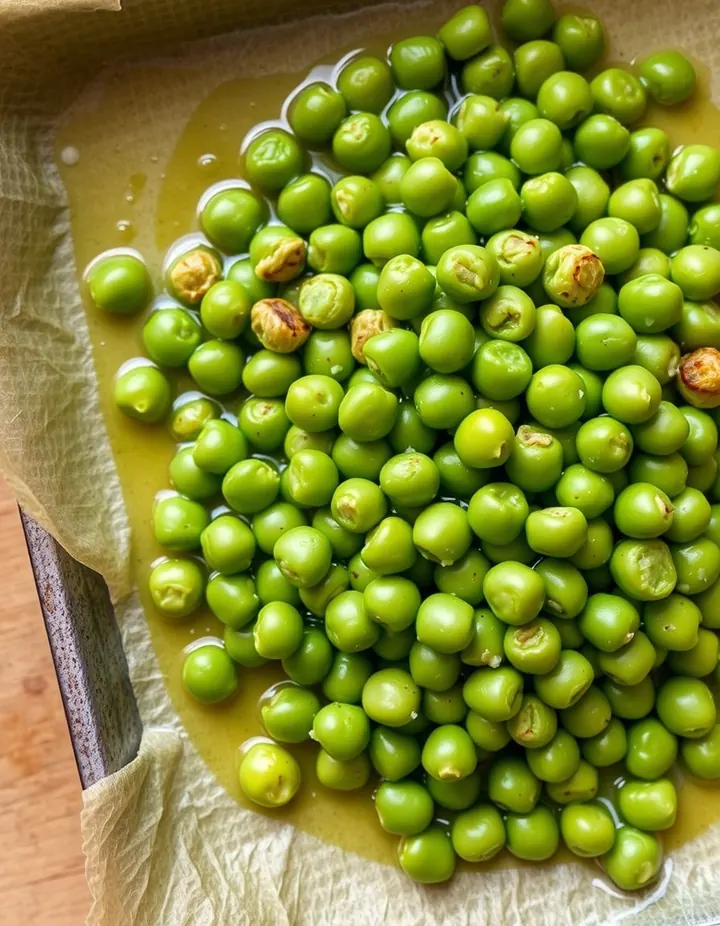 Illustration
 Illustration
The Sunday pairing: one pairing, the chemistry behind it, and how to cook it. No spam, unsubscribe anytime.
Prefer an account? Create a free account for sign-in; Pro adds the full results and chemistry.