Why it works: Ginger and cheddar cheese share more aroma than cooks usually use. They rank in the top 18% of all ingredient pairs, and 30 recipes mention both. Both carry 2-isopropyl-3-methoxypyrazine, which smells earthy, pea. The science ↓
The recipe
Ingredients
Contains: egg, milk (auto-detected from the ingredients and method; we can miss things, so check labels)
Directions
Prepare the crust
Preheat the oven to 300°F.
Lightly butter the bottom only of a 9‑inch spring form pan with removable side.
In a medium‑size bowl, combine the cookie crumbs, 2 tablespoons of the sugar, the ginger, and butter.
Press firmly into the bottom of the prepared pan.
Chill while making the filling.
Make the filling
In a large bowl with an electric mixer at medium speed, beat both cheeses just until smooth.
Gradually add the remaining 1 cup of sugar, beating just until light and fluffy.
Add the eggs, one at a time, beating just until each is combined.
At low speed, beat in the beer and heavy cream.
Pour into the prepared pan.
Bake and chill
Bake for 1 1/2 hours or until the center is set and the top is lightly golden, but do not brown.
Turn off the oven and place a wooden spoon in the door to hold it slightly ajar; let the cake sit in the oven for 30 minutes.
Remove the cake to a wire rack and cool completely.
Chill for several hours or overnight.
This recipe comes from the Recipes Wiki on Fandom and is licensed CC BY-SA 4.0. Our formatting and summaries are shared under the same licence.
Steps grouped into stages for easier reading; the method is the source's own.
Found this recipe through an AI assistant? CompKitchen also shows which ingredients go well together and why, from the aroma molecules they share and how often recipes combine them. Try the pairing tools.
Explore the science
The flavor team
The pairs that carry this dish. Each one is judged two ways: how much aroma chemistry they share, and how many recipes mention both.
-
Ginger + cheddar cheesetop 18% of all pairsAroma overlapstrongMentioned together30 recipes
Shared aroma: 2-isopropyl-3-methoxypyrazine (earthy, pea).
-
Cream cheese + cheddar cheesetop 1% of all pairsAroma overlapstrongMentioned together468 recipes
Shared aroma: ethyl 2-methylbutyrate (fruity, apple).
-
Cheddar cheese + beertop 3% of all pairsAroma overlapstrongMentioned together148 recipes
Shared aroma: ethyl 2-methylbutyrate (fruity, apple).
-
Butter + cream cheesetop 3% of all pairsAroma overlapstrongMentioned together2,746 recipes
Shared aroma: ethyl octanoate (fruity, wine).
-
Butter + cheddar cheesetop 3% of all pairsAroma overlapstrongMentioned together2,434 recipes
Shared aroma: delta-dodecalactone (sweet, creamy).
Ranks compare each pair with 20,000 random ingredient pairs on CompKitchen. How we score pairs
What each ingredient does
- Cream cheese
- Provides the dense, smooth, rich body that defines the cheesecake's texture.
- Eggs
- Set during baking to give the filling its structure and firm, sliceable body.
- Cheddar cheese
- Adds sharp savory flavor and contributes fat for a richer, creamy filling.
- Gingersnap cookie crumbs
- Form the crisp, sweet, spiced base that holds the crust together.
- Sugar
- Sweetens the filling and helps make it light and fluffy when beaten.
- Heavy cream
- Adds fat and moisture, making the filling silkier and more tender.
The step that matters
Bake low and do not brown the top. Baking at 300°F with eggs set gently; overbaking or high heat causes cracks and browning. Cooling slowly in the oven further reduces cracking from temperature shock.
Flavor stand-ins for the ginger
How well each one fits the dish's main ingredients (sugar, butter, cream cheese, cheddar cheese, egg, beer, cream):
- Nutmegbetter flavor fit
- Cinnamonabout as good a flavor fit
- Gingerthe original
- Garlicabout as good a flavor fit
Fit is the average pairing score against sugar, butter, cream cheese, cheddar cheese, egg, beer, cream. Candidates are from the same food group and used in at least 100 recipes. This compares flavor only: it does not check the job the ingredient does in the dish (bulk, moisture, acidity, structure).
“What each ingredient does” and “The step that matters” were written by Claude, an AI, from this recipe’s own method. They are not checked recipe by recipe, so they can be wrong.
Make it your own
Stand-ins, a drink, and quick taste fixes for this dish, ranked by how well each fits its other ingredients: shared aroma molecules and how often recipes combine them.
You might also like
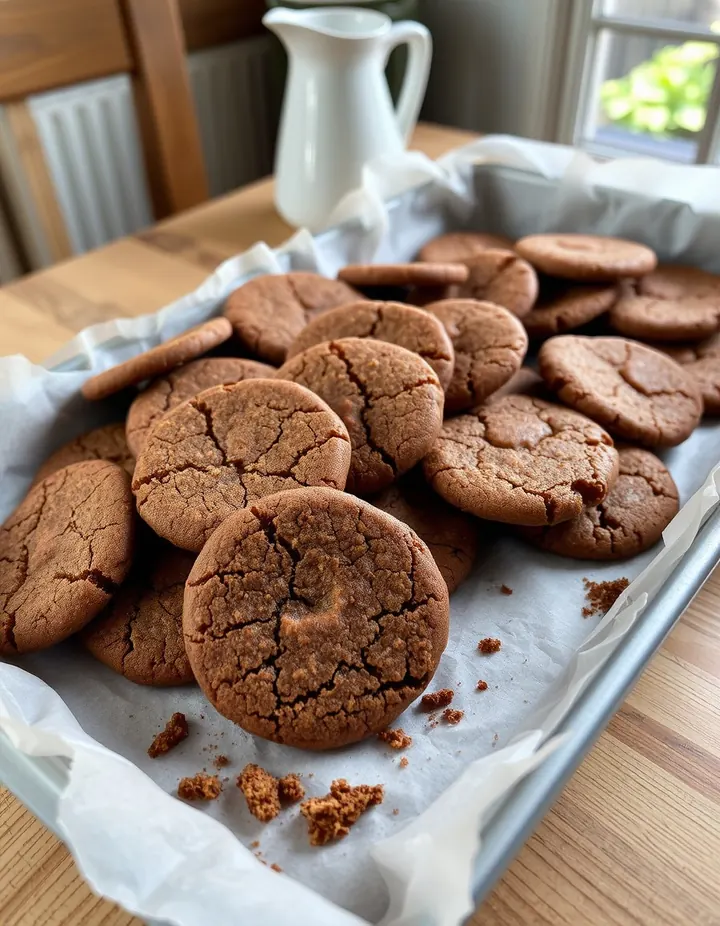 Illustration
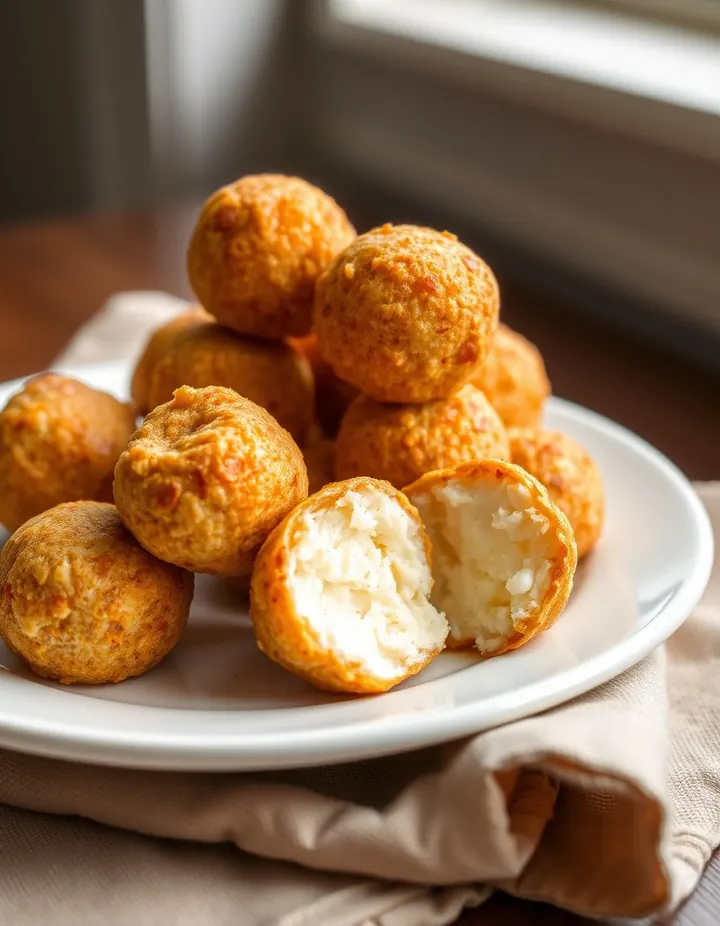 Illustration
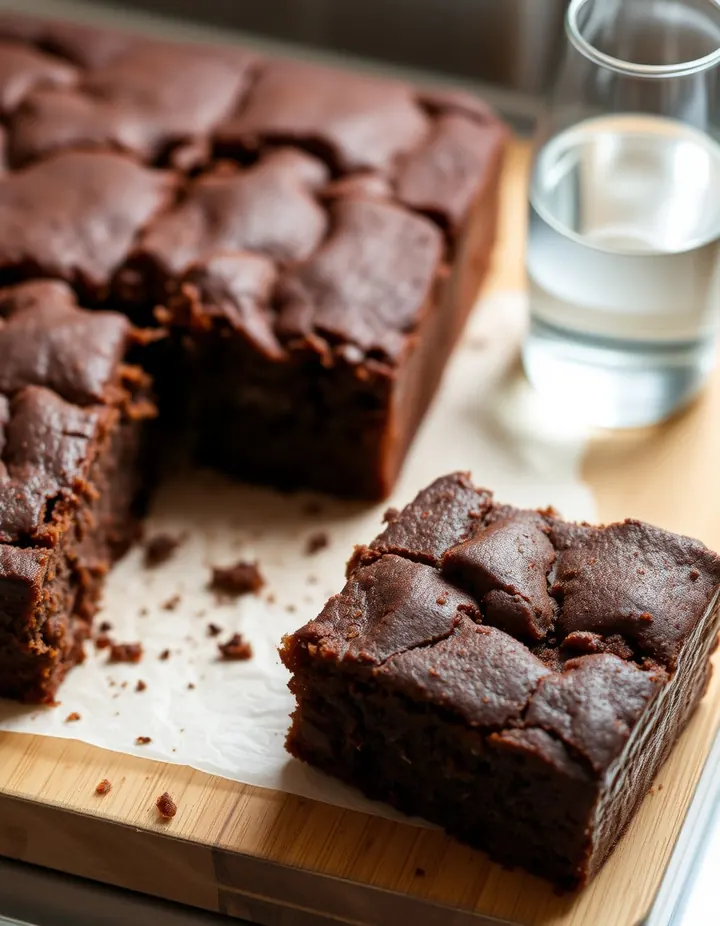 Illustration
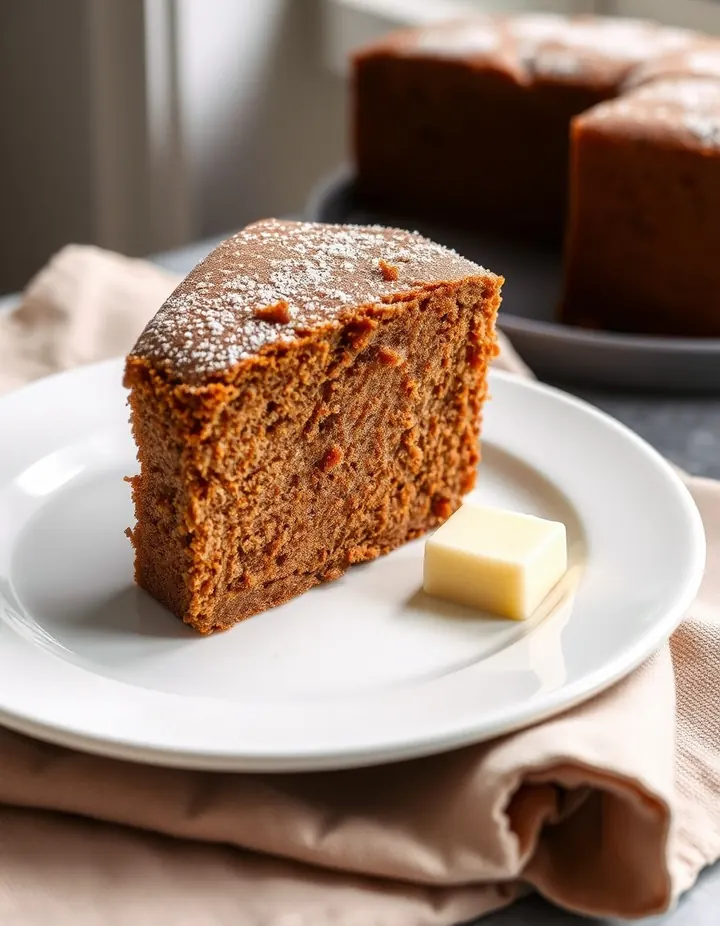 Illustration
The Sunday pairing: one pairing, the chemistry behind it, and how to cook it. No spam, unsubscribe anytime.
Prefer an account? Create a free account for sign-in; Pro adds the full results and chemistry.