Why it works: Nutmeg and cinnamon match in chemistry and in kitchens. They rank in the top 1% of all ingredient pairs, and cooks put them together in 11,917 recipes. Both carry estragole, which smells anise, licorice. The science ↓
Baked Doughnuts II
Ingredients
Directions
Make the dough
Sprinkle yeast over warm water and let dissolve for five minutes.
Put milk and shortening in a small saucepan and warm until shortening melts. Cool to lukewarm.
Pour yeast mixture into a mixing bowl; add milk mixture, egg beaters, nutmeg, salt, and 2 cups flour. Beat briskly until well mixed.
Add remaining flour and mix well.
Cover the bowl and let rise in a warm place until doubled in size.
Shape the doughnuts
Turn dough out onto a floured surface. Dough will be soft but manageable.
Pat the dough into a circle about ½ inch thick.
Cut doughnuts out with a three‑inch doughnut cutter.
Place doughnuts on a greased baking sheet and let rise, uncovered, for about 20 minutes. (Doughnuts do not spread much; place them about 1 inch apart.)
Bake and finish
Preheat oven to 450 °F.
Bake about 10 minutes or until lightly golden.
Remove from oven and brush with melted butter.
Sprinkle with cinnamon and sugar mix.
Variation: instead of cinnamon‑sugar mix, let doughnuts cool after brushing with butter. When cool, dip in glaze made with powdered sugar and milk.
Nutrition, whole recipe (rough)
Counts 9 of 10 ingredients. The other 1 aren't in our nutrition table and add nothing above, so the real totals are higher.
What these numbers assume: 9 portions
| Ingredient | Portion assumed | kcal |
|---|---|---|
| Flour | 1 cup (125g) all-purpose | 455 |
| Milk | 1 cup (244ml) whole | 149 |
| Vegetable | 1 tbsp (14g) | 120 |
| Butter | 1 tbsp (14g) | 102 |
| Egg | 1 large egg (50g) | 78 |
| Sugar | 1 tbsp (12.5g) granulated | 49 |
| Nutmeg | 1 tsp ground (2.2g) | 12 |
| Cinnamon | 1 tsp ground (2.6g) | 6 |
| Salt | 1 tsp (6g) | 0 |
| Water | not in our table | 0 |
One typical portion per ingredient; the recipe's quantities are not counted. A rough guide only, not for medical or dietary planning.
Steps grouped into stages for easier reading; the method is the source's own.
Explore the science
The flavor team
The pairs that carry this dish. Each one is judged two ways: how much their aromas overlap, and how often cooks already put them together.
-
Nutmeg + cinnamontop 1% of all pairsSmell alikestrongCooked together11,917 recipes
Shared aroma: estragole (anise, licorice).
-
Milk + buttertop 7% of all pairsSmell alikemoderateCooked together81,283 recipes
Shared aroma: (z)-4-heptenal (biscuit, cream).
-
Nutmeg + flourtop 8% of all pairsSmell alikemoderateCooked together18,623 recipes
Shared aroma: isobutyraldehyde (malty, green).
-
Flour + cinnamontop 9% of all pairsSmell alikemoderateCooked together17,341 recipes
Shared aroma: isobutyraldehyde (malty, green).
-
Milk + cinnamontop 10% of all pairsSmell alikemoderateCooked together12,655 recipes
Shared aroma: cuminaldehyde (Spicy, cumin).
Ranks compare each pair with 20,000 random ingredient pairs on CompKitchen. How we score pairs
What each ingredient does
- Flour, all purpose
- Forms the gluten network that gives the dough its structure and chew.
- Dry yeast
- Produces gas as it ferments, making the dough rise and become airy.
- Egg beaters
- Adds protein and moisture that help bind the dough and enrich its texture.
- Vegetable shortening
- Adds fat that tenderizes the crumb and softens the dough.
- Melted butter
- Adds fat and flavor to the finished doughnuts and helps the topping adhere.
The step that matters
Let the dough rise until doubled. Yeast needs time and warmth to produce enough gas for proper lift. Under-proofed dough stays dense, while the structure needed for a light, tender doughnut depends on this rise.
“What each ingredient does” and “The step that matters” were written by Claude from this recipe’s own method and reviewed in samples by CompKitchen.
You might also like
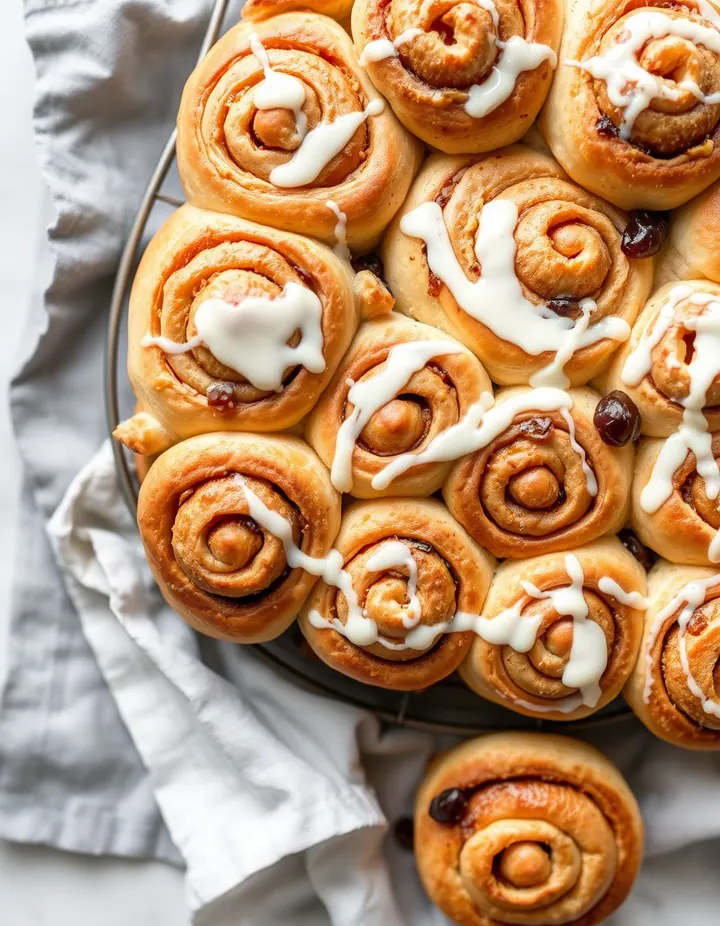 Cinnamon Rolls71 recipes
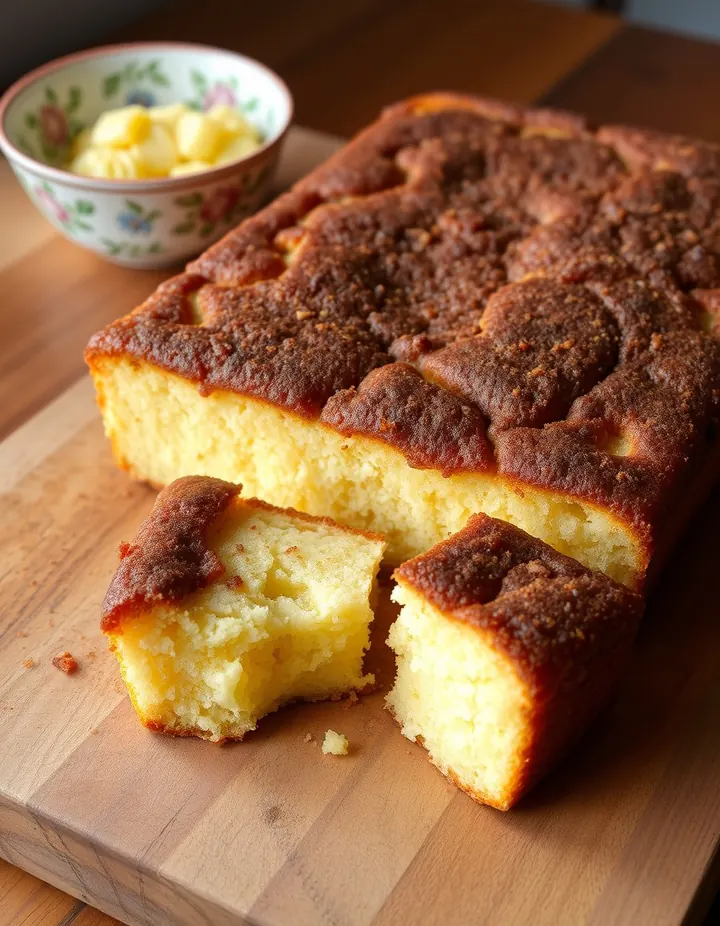 Cinnamon Cake42 recipes
 White Cake431 recipes
 Pound Cake373 recipes
The free Flavor Lab newsletter: one surprising pairing a week and the molecular reason it works, in 60 seconds. No spam, unsubscribe anytime.
Prefer an account? Create a free account to save pairings and unlock the full chemistry.