Why it works: Onion and garlic match in chemistry and in kitchens. They rank in the top 1% of all ingredient pairs, and cooks put them together in 29,058 recipes. Both carry furaneol, which smells caramel, strawberry. The science ↓
Baked Eggs with Garden Vegetable Hash
Ingredients
Directions
Prepare
Position a rack in the center of the oven and preheat to 450°F.
Lightly oil a large baking sheet or roasting pan.
Roast the vegetables
Toss the potatoes, bell pepper, zucchini, onion and olive oil on the baking sheet and season to taste with salt and pepper.
Bake, occasionally turning the vegetables with a spatula, until the potatoes are almost tender, about 40 minutes.
Stir in the tomatoes, garlic and thyme.
Bake until the vegetables are browned, about 20 minutes more.
Bake the eggs and serve
Transfer the vegetables to a 2-quart ovenproof serving dish.
Spacing them evenly apart, break the eggs over the vegetables.
Bake until the eggs are set, about 10 minutes.
Sprinkle with the cheese and serve immediately.
Nutrition, whole recipe (rough)
What these numbers assume: 13 portions
| Ingredient | Portion assumed | kcal |
|---|---|---|
| Potato | 1 medium (173g) baked | 161 |
| Olive Oil | 1 tbsp (14g) | 119 |
| Parmesan Cheese | 1 oz (28g) | 110 |
| Egg | 1 large egg (50g) | 78 |
| Onion | 1 medium (110g) | 44 |
| Bell Pepper | 1 medium (119g) | 31 |
| Plum | 1 medium (66g) | 30 |
| Tomato | 1 medium (123g) | 22 |
| Cucumber | 1/2 cup sliced (52g) | 16 |
| Black Pepper | 1 tsp ground (2.3g) | 6 |
| Garlic | 1 clove (3g) | 4 |
| Thyme | 1 tsp dried (1.4g) | 4 |
| Salt | 1 tsp (6g) | 0 |
One typical portion per ingredient; the recipe's quantities are not counted. A rough guide only, not for medical or dietary planning.
Steps grouped into stages for easier reading; the method is the source's own.
Explore the science
The flavor team
The pairs that carry this dish. Each one is judged two ways: how much their aromas overlap, and how often cooks already put them together.
-
Onion + garlictop 1% of all pairsSmell alikestrongCooked together29,058 recipes
Shared aroma: furaneol (caramel, strawberry).
-
Clove + thymetop 2% of all pairsSmell alikestrongCooked together4,108 recipes
Shared aroma: cuminaldehyde (Spicy, cumin).
-
Olive + garlictop 2% of all pairsSmell alikemoderateCooked together25,665 recipes
Shared aroma: linalool (floral, citrus).
-
Potato + oniontop 3% of all pairsSmell alikemoderateCooked together9,023 recipes
Shared aroma: 2-isopropyl-3-methoxypyrazine (earthy, pea).
-
Pepper + thymetop 4% of all pairsSmell alikemoderateCooked together11,585 recipes
Shared aroma: beta-phellandrene (minty, terpene).
Ranks compare each pair with 20,000 random ingredient pairs on CompKitchen. How we score pairs
What each ingredient does
- Yukon gold potatoes
- Starchy base that becomes tender and browns in the hot oven, giving the hash its body.
- Eggs
- Set with gentle oven heat to form soft, cooked centers over the vegetables.
- Extra-virgin olive oil
- Conducts heat and promotes browning of the vegetables while adding richness.
- Roma or plum tomatoes
- Add moisture and acidity that cook down into the vegetable hash.
- Zucchini
- Softens and releases moisture, adding tender texture to the hash.
- Parmesan cheese
- Adds savory, salty flavor and browns lightly when sprinkled on the hot dish.
The step that matters
Breaking the eggs evenly over the vegetables. Spacing the eggs apart gives each one room to set separately. Crowding them lets whites run together and leaves some yolks overcooked while others stay runny.
Swap the plum
How well each one fits the dish's main ingredients (potato, pepper, onion, olive, garlic, clove, thyme):
- Limefits better
- Avocadofits better
- Lemonfits better
- Plumthe original
Fit is the average pairing score against potato, pepper, onion, olive, garlic, clove, thyme. Candidates are from the same food group and used in at least 100 recipes.
“What each ingredient does” and “The step that matters” were written by Claude from this recipe’s own method and reviewed in samples by CompKitchen.
You might also like
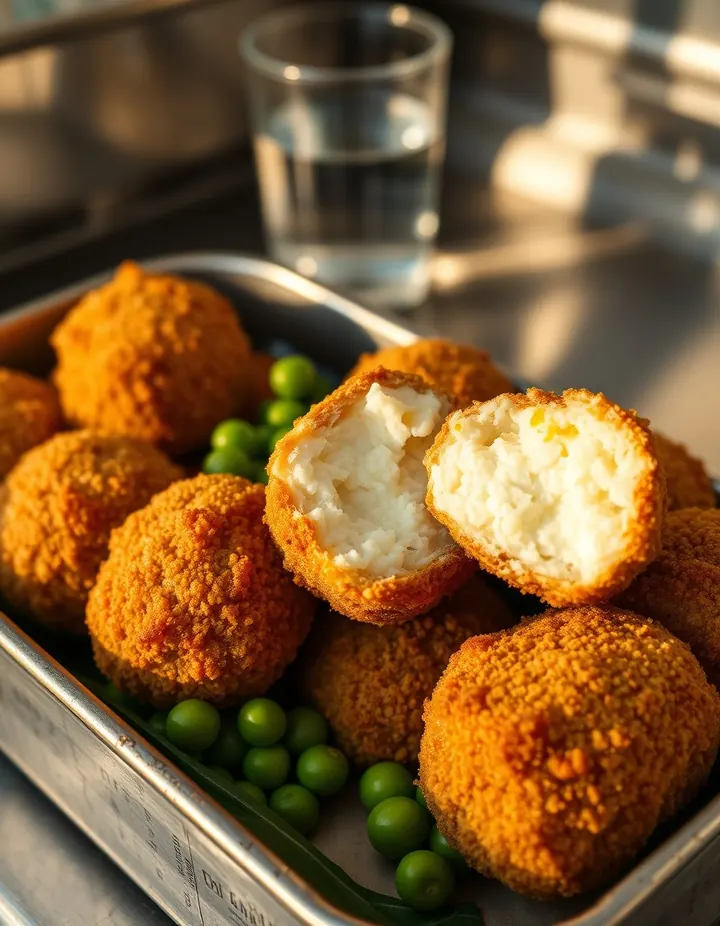 Potato Croquettes255 recipes
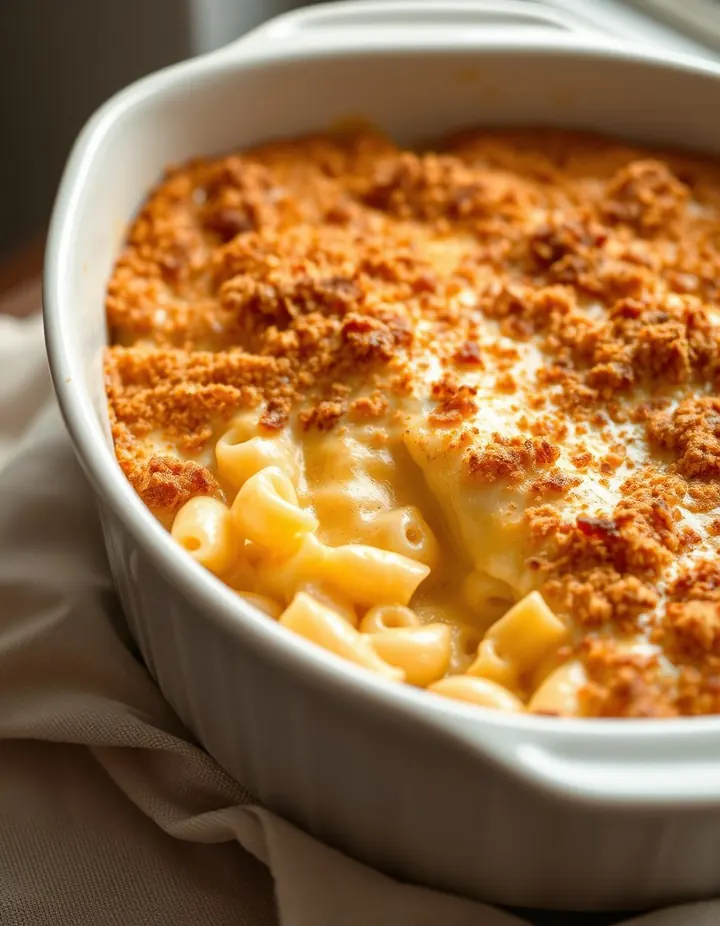 Macaroni and Cheese102 recipes
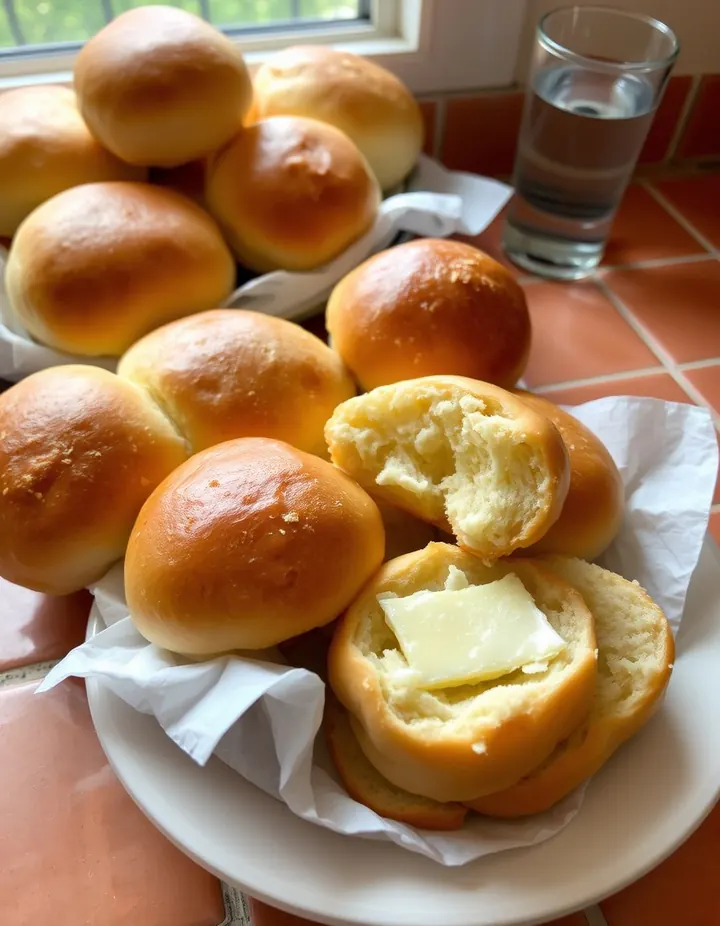 Potato Rolls78 recipes
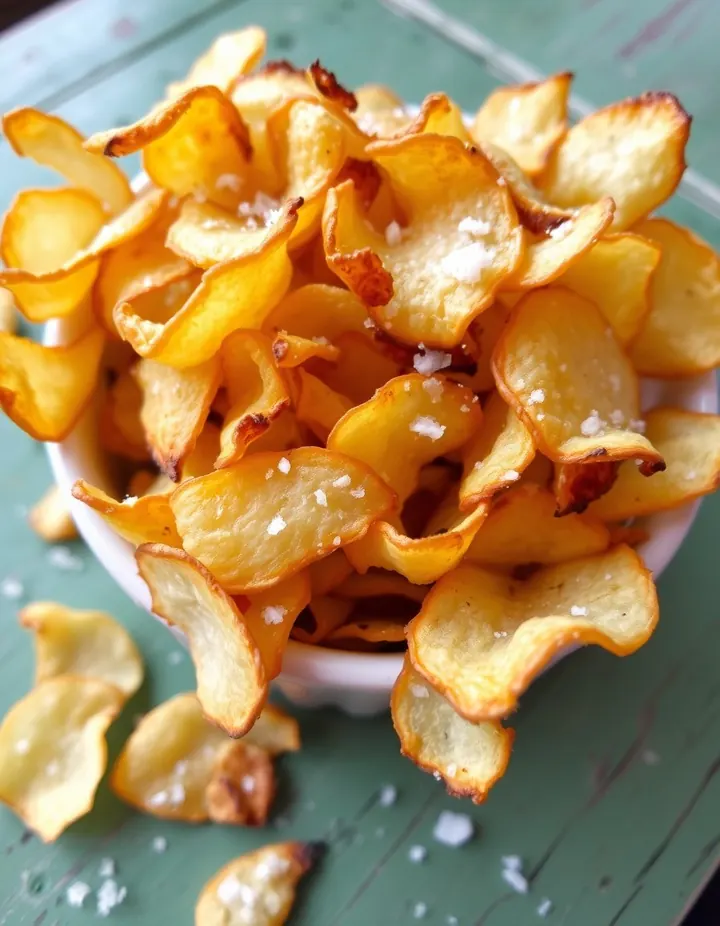 Potato Chips53 recipes
The free Flavor Lab newsletter: one surprising pairing a week and the molecular reason it works, in 60 seconds. No spam, unsubscribe anytime.
Prefer an account? Create a free account to save pairings and unlock the full chemistry.