Why it works: Lemon and pepper match in chemistry and in kitchens. They rank in the top 3% of all ingredient pairs, and cooks put them together in 27,047 recipes. Both carry trans-2-nonenal, which smells cardboard, fatty. The science ↓
Sweet and Sour Strawberry Sauce
Ingredients
Directions
Make the sauce base
In a small saucepan, mix tomato juice, water, vinegar, lemon juice, and sugar.
Bring to a boil, remove from heat, and set aside.
Chop and combine
In a bowl of a food processor, combine pineapple, strawberries, onions, and bell pepper.
Chop into a fine dice, pulsing on and off.
Mix in the liquid.
Season with salt.
Chill and serve
Pour into a non‑reactive container.
Cover and refrigerate.
Bring to room temperature before serving.
For each serving: portion 1/4‑cup ladle sauce into a ramekin.
Serve with hot chicken fingers or cold sliced roast pork tenderloin and Russian rye bread.
Nutrition, whole recipe (rough)
Counts 9 of 11 ingredients. The other 2 aren't in our nutrition table and add nothing above, so the real totals are higher.
What these numbers assume: 9 portions
| Ingredient | Portion assumed | kcal |
|---|---|---|
| Pineapple | 1 cup chunks (165g) | 82 |
| Sugar | 1 tbsp (12.5g) granulated | 49 |
| Strawberry | 1 cup (152g) | 49 |
| Onion | 1 medium (110g) | 44 |
| Bell Pepper | 1 medium (119g) | 31 |
| Tomato | 1 medium (123g) | 22 |
| Lemon | juice of 1 lemon (48ml) | 12 |
| Vinegar | 1 tbsp (15ml) distilled | 3 |
| Salt | 1 tsp (6g) | 0 |
| Water | not in our table | 0 |
| Cider | not in our table | 0 |
One typical portion per ingredient; the recipe's quantities are not counted. A rough guide only, not for medical or dietary planning.
Steps grouped into stages for easier reading; the method is the source's own.
Explore the science
The flavor team
The pairs that carry this dish. Each one is judged two ways: how much their aromas overlap, and how often cooks already put them together.
-
Lemon + peppertop 3% of all pairsSmell alikestrongCooked together27,047 recipes
Shared aroma: trans-2-nonenal (cardboard, fatty).
-
Cider + vinegartop 6% of all pairsSmell alikemoderateCooked together3,431 recipes
Shared aroma: 4-ethyl-2-methoxyphenol (smoky, clove).
-
Tomato + peppertop 7% of all pairsSmell alikemoderateCooked together17,923 recipes
Shared aroma: 2-isopropyl-3-methoxypyrazine (earthy, pea).
-
Tomato + oniontop 8% of all pairsSmell alikemoderateCooked together20,633 recipes
Shared aroma: 2-isopropyl-3-methoxypyrazine (earthy, pea).
-
Cider + pineappletop 10% of all pairsSmell alikemoderateCooked together98 recipes
Shared aroma: ethyl 2-methylbutyrate (fruity, apple).
Ranks compare each pair with 20,000 random ingredient pairs on CompKitchen. How we score pairs
What each ingredient does
- Strawberries
- Provide the fruity flavor and bulk that forms the sauce's body.
- Pineapple
- Adds sweetness and juicy texture to the chopped sauce.
- Brown sugar
- Adds sweetness and balances the sharpness of the vinegar and lemon.
- Cider vinegar
- Adds acidity that gives the sauce its sour edge.
- Onions
- Contribute savory depth and aroma to the sauce.
The step that matters
Chop into a fine dice, pulsing on and off. Pulsing keeps the pieces even and stops the fruit and vegetables from over-processing into a purée. Uneven or overworked pieces change the sauce's texture and release excess liquid.
Swap the onion
How well each one fits the dish's main ingredients (tomato, cider, vinegar, lemon, sugar, pineapple, pepper):
- Capsicumfits better
- Cucumberfits better
- Mustardfits better
- Onionthe original
Fit is the average pairing score against tomato, cider, vinegar, lemon, sugar, pineapple, pepper. Candidates are from the same food group and used in at least 100 recipes.
“What each ingredient does” and “The step that matters” were written by Claude from this recipe’s own method and reviewed in samples by CompKitchen.
You might also like
 Lemon Cake228 recipes
 Lemon Ice147 recipes
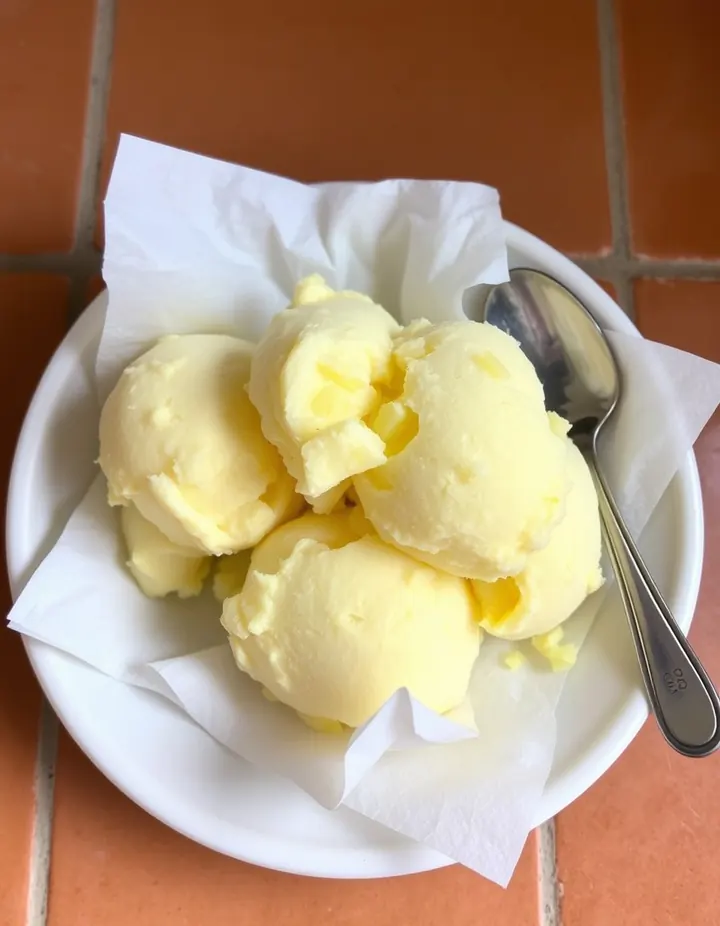 Pineapple Sherbet116 recipes
 Lemon Sherbet103 recipes
The free Flavor Lab newsletter: one surprising pairing a week and the molecular reason it works, in 60 seconds. No spam, unsubscribe anytime.
Prefer an account? Create a free account to save pairings and unlock the full chemistry.