Why it works: Chicken and potato match in chemistry and in kitchens. They rank in the top 3% of all ingredient pairs, and 2,756 recipes mention both. Both carry (z)-4-decenal, which smells green, must. The science ↓
The recipe
Ingredients
Contains: milk, soy (auto-detected from the ingredients and method; we can miss things, so check labels)
Also mentioned in the method: yogurt
Directions
Prepare
Bone chicken and dice into small pieces, or use boneless chicken pieces.
Chop chicken bones into small pieces with a sharp knife.
Peel and dice the potatoes into medium-size cubes.
Coarsely slice the onion.
Cook the curry
In a large pot, heat the oil and black mustard seeds.
Keep covered and fry until the seeds pop (careful not to burn the seeds).
Add the onions and sauté until tender.
Add all the spices except the garam masala and fry for a few minutes.
Add the chicken and chicken bones and fry for a few minutes.
Add all the potatoes and cover with water.
Bring pot to boil and then simmer gently for approximately 15 minutes.
Add the vegetables and cook a further 10 minutes until the chicken and potatoes are cooked.
To make the curry creamer, add 2 tablespoons of unsweetened plain yoghurt when adding the spices.
Finish and serve
Lastly add the garam masala, mix and leave for a few minutes before serving.
Serve with rice.
This recipe comes from the Recipes Wiki on Fandom and is licensed CC BY-SA 4.0. Our formatting and summaries are shared under the same licence.
Steps grouped into stages for easier reading; the method is the source's own.
Explore the science
The flavor team
The pairs that carry this dish. Each one is judged two ways: how much aroma chemistry they share, and how many recipes mention both.
-
Chicken + potatotop 3% of all pairsAroma overlapstrongMentioned together2,756 recipes
Shared aroma: (z)-4-decenal (green, must).
-
Cinnamon + clovetop 1% of all pairsAroma overlapstrongMentioned together14,027 recipes
Shared aroma: ethyl cinnamate (sweet, balsamic).
-
Cinnamon + cardamomtop 1% of all pairsAroma overlapstrongMentioned together1,299 recipes
Shared aroma: beta-phellandrene (minty, terpene).
-
Cardamom + clovetop 1% of all pairsAroma overlapstrongMentioned together1,058 recipes
Shared aroma: eucalyptol (eucalyptus, herbal).
-
Potato + oniontop 2% of all pairsAroma overlapstrongMentioned together9,019 recipes
Shared aroma: 2-isopropyl-3-methoxypyrazine (earthy, pea).
Ranks compare each pair with 20,000 random ingredient pairs on CompKitchen. How we score pairs
What each ingredient does
- Chicken
- Bone-in pieces release flavour into the broth, while the meat becomes tender as it simmers.
- Potatoes
- Starch thickens the sauce slightly and the cubes hold their shape while absorbing spiced liquid.
- Onion
- Softened onion adds sweetness and body to the base of the curry.
- Black mustard seeds
- Blooming in hot oil releases nutty aroma that flavours the fat for the whole curry.
- Peas or mixed vegetables
- Add colour and sweetness and absorb some of the sauce as they cook.
The step that matters
Frying the mustard seeds. Mustard seeds pop in hot oil and turn bitter and acrid if they burn, which spoils the whole pot. Keep the lid on to contain the popping and watch closely.
Flavor stand-ins for the peas
How well each one fits the dish's main ingredients (chicken, potato, onion, cinnamon, cardamom, clove, mustard):
- Beansbetter flavor fit
- Chickpeabetter flavor fit
- Cashew nutbetter flavor fit
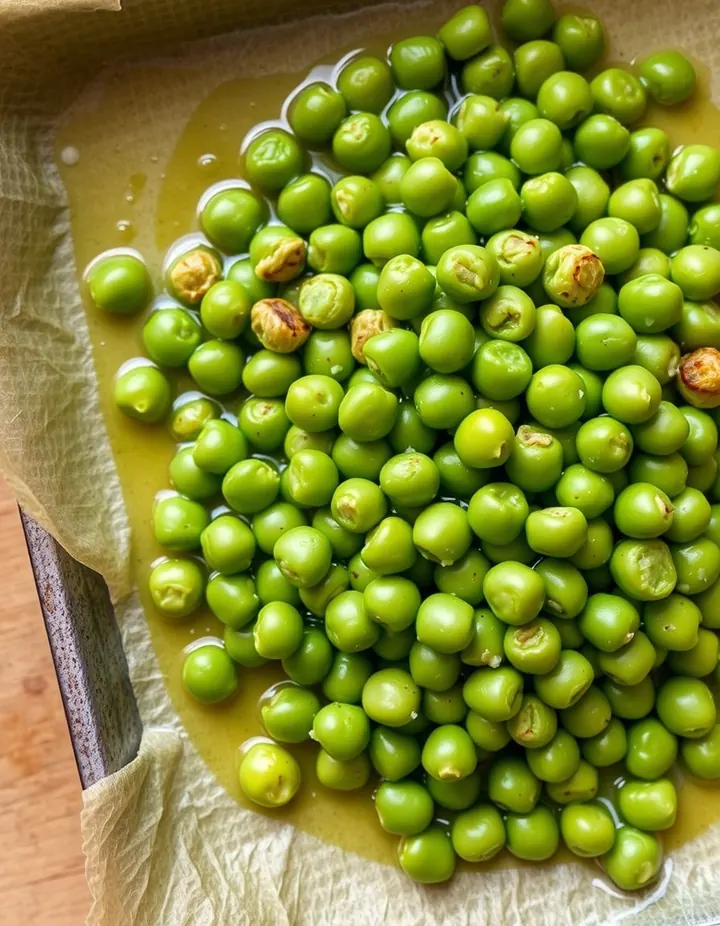
- Peasthe original
Fit is the average pairing score against chicken, potato, onion, cinnamon, cardamom, clove, mustard. Candidates are from the same food group and used in at least 100 recipes. This compares flavor only: it does not check the job the ingredient does in the dish (bulk, moisture, acidity, structure).
“What each ingredient does” and “The step that matters” were written by Claude from this recipe’s own method and reviewed in samples by CompKitchen.
You might also like
 Illustration
 Illustration
 Illustration
 Illustration
The Sunday pairing: one pairing, the chemistry behind it, and how to cook it. No spam, unsubscribe anytime.
Prefer an account? Create a free account for sign-in; Pro adds the full results and chemistry.