Why it works: Cheese and flour are a kitchen classic. They rank in the top 29% of all ingredient pairs, and cooks put them together in 4,860 recipes. Both carry isobutyraldehyde, which smells malty, green. The science ↓
Mbeju
Ingredients
Directions
Prepare
Mix all ingredients by hand.
Form masses from the mixture.
Cook and serve
Cook the masses in a frying pan.
Eat with a liquid to avoid choking, since once cooked the mixture becomes very dry.
Nutrition, whole recipe (rough)
What these numbers assume: 2 portions
| Ingredient | Portion assumed | kcal |
|---|---|---|
| Flour | 1 cup (125g) all-purpose | 455 |
| Cheese | 1 oz (28g) cheddar | 113 |
One typical portion per ingredient; the recipe's quantities are not counted. A rough guide only, not for medical or dietary planning.
Steps grouped into stages for easier reading; the method is the source's own.
Explore the science
The flavor team
The pairs that carry this dish. Each one is judged two ways: how much their aromas overlap, and how often cooks already put them together.
-
Cheese + flourtop 29% of all pairsSmell alikelowCooked together4,860 recipes
Shared aroma: isobutyraldehyde (malty, green).
Ranks compare each pair with 20,000 random ingredient pairs on CompKitchen. How we score pairs
What each ingredient does
- Starch
- Gels when heated, giving the cooked snack its firm, chewy body.
- Pig fat
- Adds richness and fat that keeps the mixture tender while it cooks.
- Cheese
- Adds fat and savory flavor, and helps the mixture bind together.
- Maize flour
- Provides structure and a corn flavor as it cooks into the mass.
The step that matters
Cook the masses in a frying pan. Starch sets and moisture is lost as the masses cook, so overcooking leaves the snack very dry and crumbly.
“What each ingredient does” and “The step that matters” were written by Claude from this recipe’s own method and reviewed in samples by CompKitchen.
You might also like
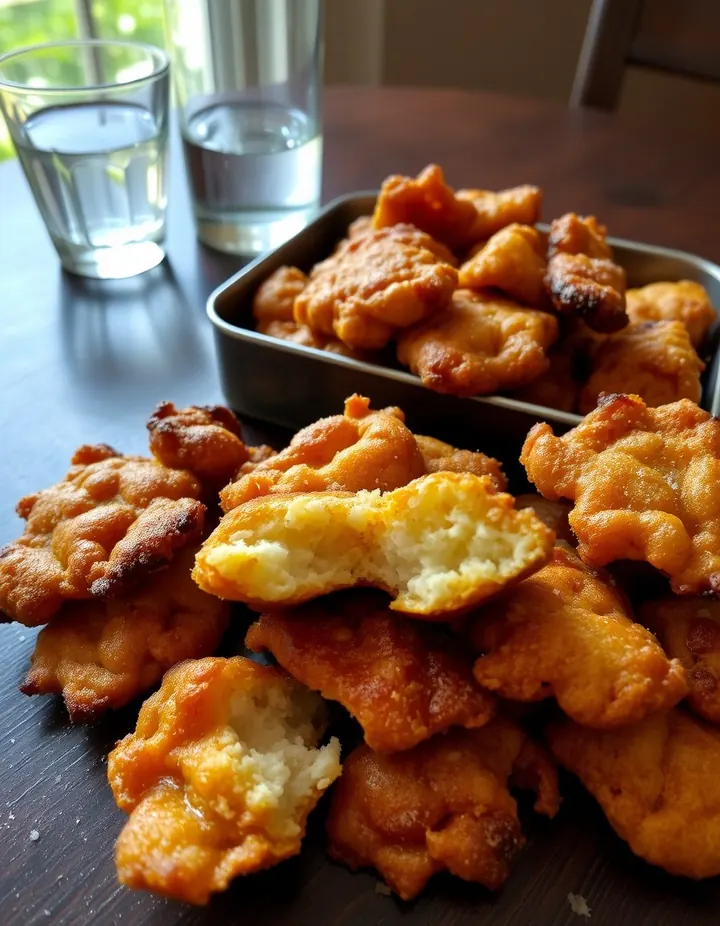 Fritters56 recipes
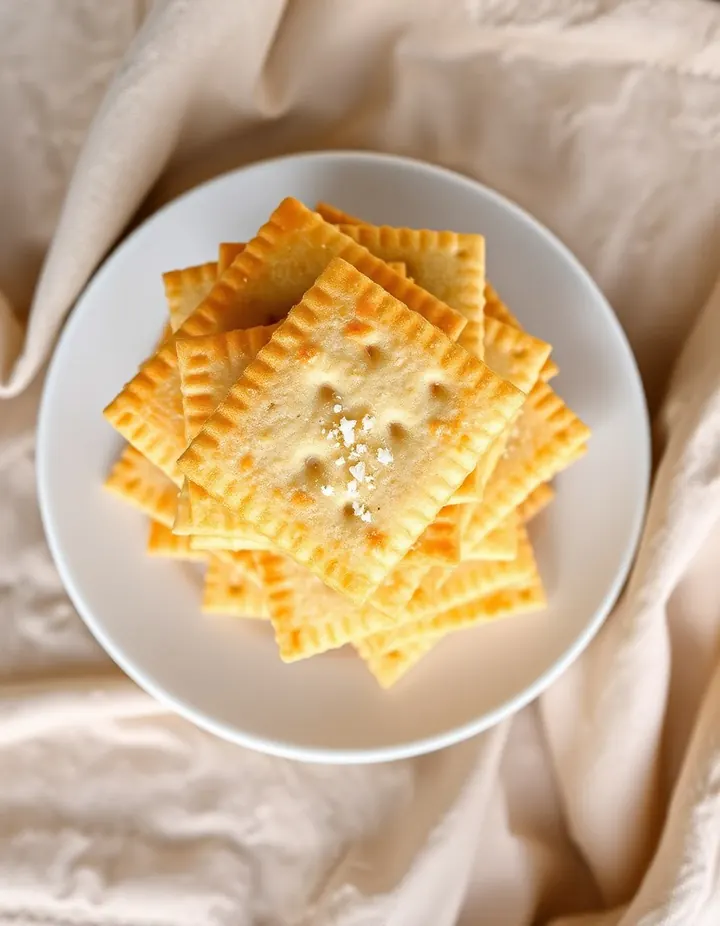 Crisp Crackers7 recipes
The free Flavor Lab newsletter: one surprising pairing a week and the molecular reason it works, in 60 seconds. No spam, unsubscribe anytime.
Prefer an account? Create a free account to save pairings and unlock the full chemistry.