Why it works: Flour and butter are a kitchen classic. They rank in the top 12% of all ingredient pairs, and 124,287 recipes mention both. Both carry isobutyraldehyde, which smells malty, green. The science ↓
French Dough II
Ingredients
Directions
Make the dough
Make a dough from 8 oz (250 g) flour and cubed butter.
Knead quickly with a wooden spoon and roll into a slightly less than 1 inch thick square.
Place on a floured plate and refrigerate.
Prepare a dough from the remaining 8 oz (250 g) flour, water, lemon juice, and salt, kneading well with your hands.
Gather into a ball, cover, and let rest for 20–30 minutes.
Roll this second dough into a sheet that is twice as wide and slightly longer than the sheet made from the butter dough.
Laminate
Place the butter dough sheet in the middle of the water dough sheet.
Cover the butter sheet with the corners of the water sheet, envelope style.
Press down on the edges.
Sprinkle flour on the pastry board.
Roll the dough into a 1/2 inch thick sheet.
Fold the dough fourfold.
Refrigerate for 30–40 minutes.
Repeat the folding and refrigerating procedure three times.
Shape and bake
Roll into a 1/2 inch thick sheet and cut into circles or squares.
Put the desired filling (cheese, meat, etc.) in the middle of the dough pieces.
Wash the dough pieces with egg.
Bake for 10–15 minutes.
This recipe comes from the Recipes Wiki on Fandom and is licensed CC BY-SA 4.0. Our formatting and summaries are shared under the same licence.
Steps grouped into stages for easier reading; the method is the source's own.
Explore the science
The flavor team
The pairs that carry this dish. Each one is judged two ways: how much aroma chemistry they share, and how many recipes mention both.
-
Flour + buttertop 12% of all pairsAroma overlaplowMentioned together124,287 recipes
Shared aroma: isobutyraldehyde (malty, green).
-
Butter + lemontop 16% of all pairsAroma overlapmoderateMentioned together41,227 recipes
Shared aroma: 3-hexenal (apple, fruity).
-
Flour + lemontop 17% of all pairsAroma overlapmoderateMentioned together30,404 recipes
Shared aroma: isobutyraldehyde (malty, green).
Flour and butter share little aroma chemistry, yet 124,287 recipes mention both: they likely work on texture and structure more than aroma.
Ranks compare each pair with 20,000 random ingredient pairs on CompKitchen. How we score pairs
What each ingredient does
- Flour
- Forms the gluten structure that holds the thin layers together during rolling and baking.
- Butter or margarine
- Forms separate fat layers that create flaky layers as the dough bakes.
- Water
- Hydrates the flour to form a pliable dough that can be rolled into sheets.
- Egg (in the method)
- Gives the surface a glossy golden browning when washed on the dough before baking.
The step that matters
Keeping the butter dough cold between folds. If the butter softens and melts into the dough, the fat layers blend in rather than staying separate, so the pastry loses its flakiness. Chilling between folds keeps the butter firm.
Flavor stand-ins for the lemon
How well each one fits the dish's main ingredients (flour, butter):
- Raisinbetter flavor fit
- Vanillabetter flavor fit
- Coconutbetter flavor fit
- Lemonthe original
Fit is the average pairing score against flour, butter. Candidates are from the same food group and used in at least 100 recipes. This compares flavor only: it does not check the job the ingredient does in the dish (bulk, moisture, acidity, structure).
“What each ingredient does” and “The step that matters” were written by Claude from this recipe’s own method and reviewed in samples by CompKitchen.
You might also like
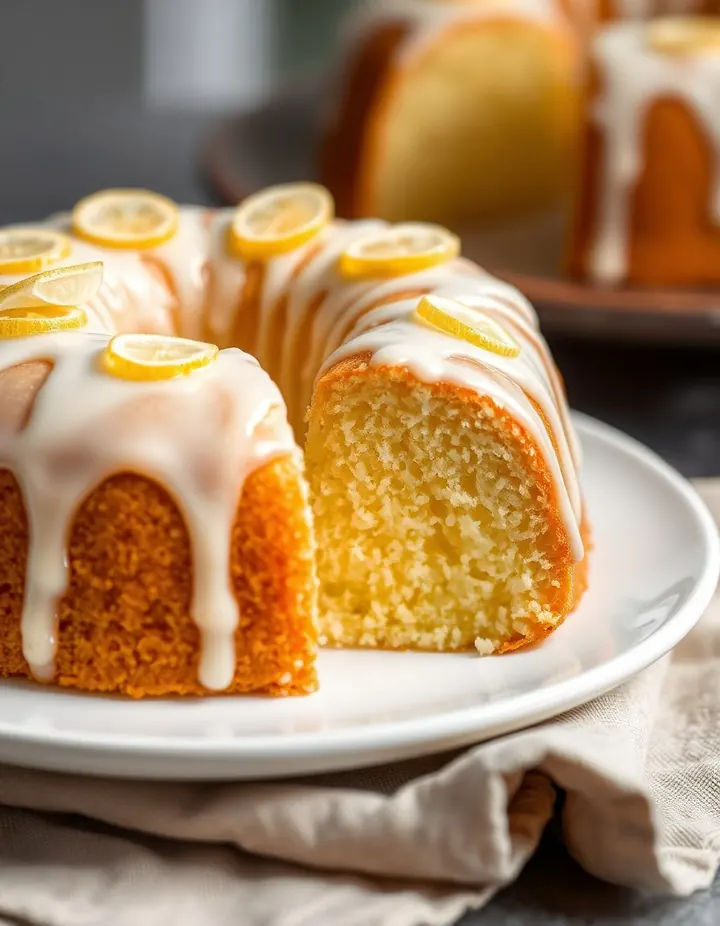 Lemon Cake228 recipes
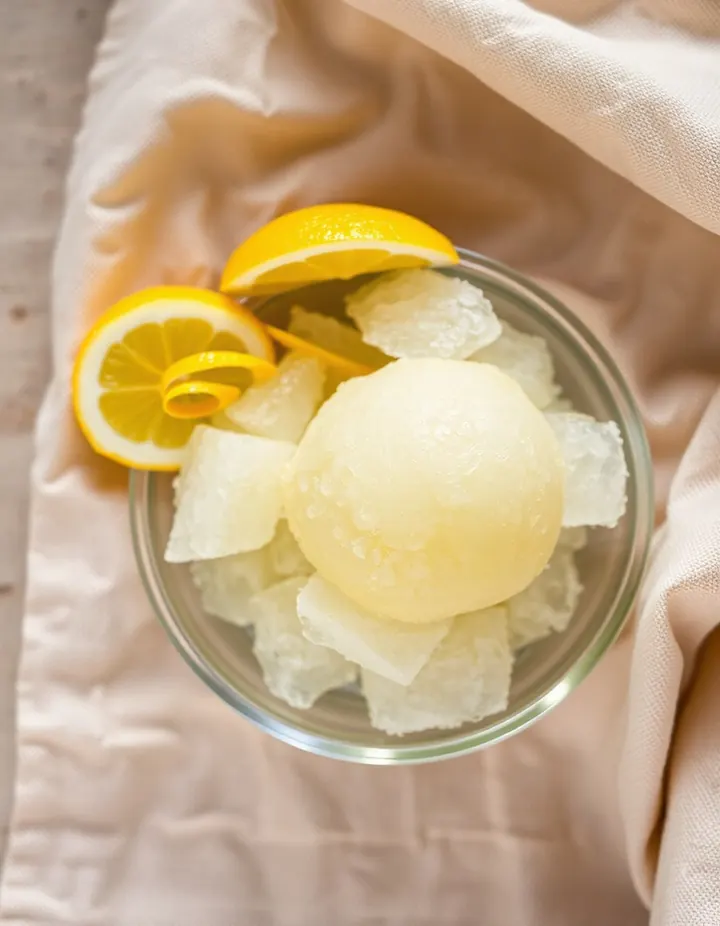 Lemon Ice147 recipes
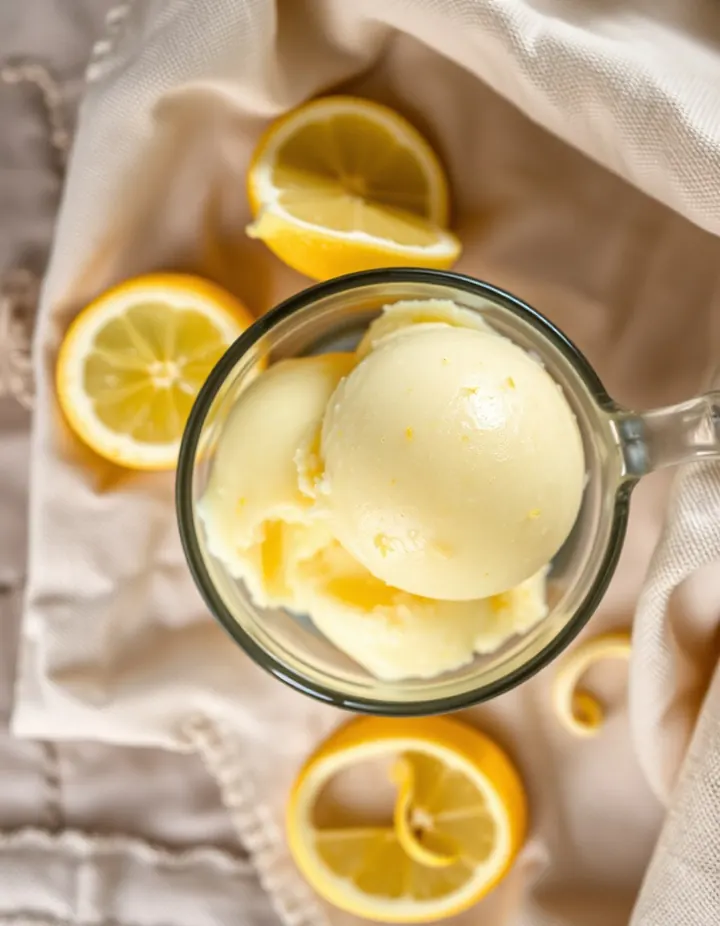 Lemon Sherbet103 recipes
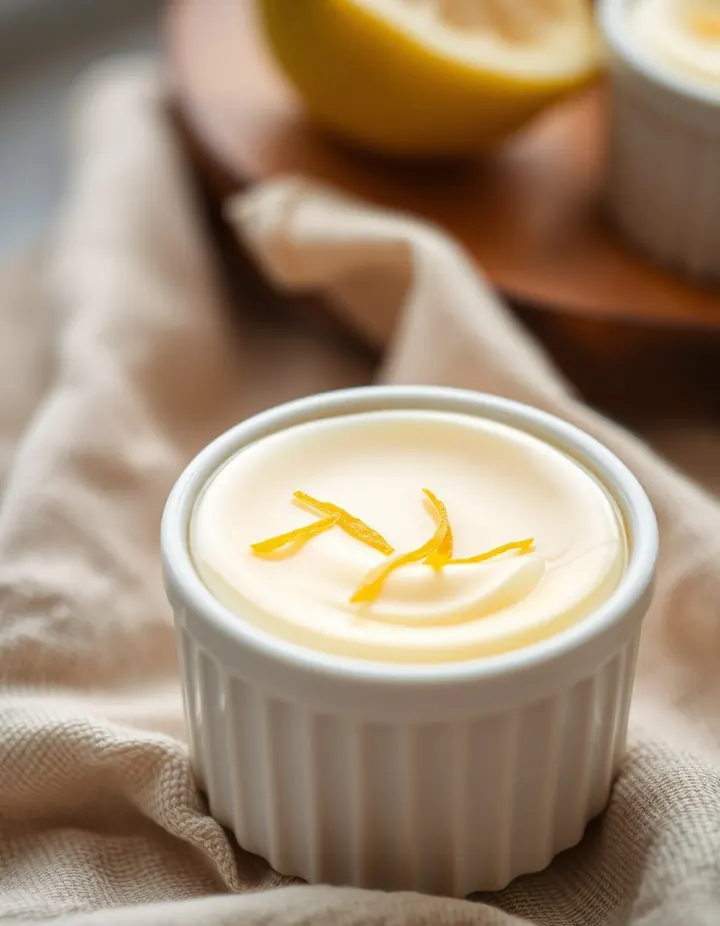 Lemon Custard64 recipes
The Sunday pairing: one pairing, the chemistry behind it, and how to cook it. No spam, unsubscribe anytime.
Prefer an account? Create a free account for sign-in; Pro adds the full results and chemistry.