Why it works: Banana and rum match in chemistry and in kitchens. They rank in the top 2% of all ingredient pairs, and 183 recipes mention both. Both carry ethyl isobutyrate, which smells fruity, ethereal. The science ↓
The recipe
Ingredients
Contains: egg, milk (auto-detected from the ingredients and method; we can miss things, so check labels)
Directions
Prepare
Lightly butter the insides of four 1-cup ramekins and dust them with sugar. Space the ramekins on a baking sheet and place them in the freezer.
Position the oven rack in the lower third of the oven and preheat to 425 °F (220 °C).
Make the banana base
Combine the sliced bananas, dark brown sugar, lemon juice, and dark rum in a medium saucepan. Cook uncovered over medium heat, stirring occasionally, until the bananas begin to soften, about 7 minutes.
Mash the bananas with a potato masher or large fork until mostly smooth.
Continue cooking the mashed bananas to make a thick puree, about 8 more minutes. Cool to room temperature.
Whip and bake
Whip the egg whites and pinch of salt in a large bowl with an electric mixer at medium-high speed until foamy. Increase the speed to high, gradually pour in the 2 tablespoons sugar, and whip until the whites hold soft peaks.
Fold a quarter of the whipped whites into the banana mixture. Fold the remaining whites into the mixture.
Evenly divide the batter among the prepared ramekins.
Bake the soufflés until well puffed and golden, about 15 minutes.
Dust with a light sprinkling of cocoa powder, if desired. Serve immediately.
This recipe comes from the Recipes Wiki on Fandom and is licensed CC BY-SA 4.0. Our formatting and summaries are shared under the same licence.
Steps grouped into stages for easier reading; the method is the source's own.
Explore the science
The flavor team
The pairs that carry this dish. Each one is judged two ways: how much aroma chemistry they share, and how many recipes mention both.
-
Banana + rumtop 2% of all pairsAroma overlapstrongMentioned together183 recipes
Shared aroma: ethyl isobutyrate (fruity, ethereal).
-
Butter + rumtop 5% of all pairsAroma overlapstrongMentioned together1,007 recipes
Shared aroma: delta-decalactone (sweet, creamy).
-
Rum + cocoa powdertop 6% of all pairsAroma overlapmoderateMentioned together56 recipes
Shared aroma: 2,3-pentanedione (butter, sweet).
-
Sugar + rumtop 6% of all pairsAroma overlapmoderateMentioned together2,907 recipes
Shared aroma: beta-damascenone (apple, rose).
-
Butter + bananatop 7% of all pairsAroma overlapstrongMentioned together1,529 recipes
Shared aroma: ethyl caproate (fruity, apple peel).
Ranks compare each pair with 20,000 random ingredient pairs on CompKitchen. How we score pairs
What each ingredient does
- Egg whites
- Whipped to soft peaks, they trap air that lifts the soufflé as it bakes.
- Bananas
- Cooked into a thick puree that gives the soufflé its moisture and banana flavor.
- Dark brown sugar
- Sweetens the banana puree and adds caramel-like depth as it cooks down.
- Dark rum
- Adds aroma and warm flavor to the cooked banana puree.
- Lemon juice
- Adds acidity that brightens the sweet banana flavor.
The step that matters
Folding the whites into the banana mixture. Folding gently keeps the air in the whipped whites. Stirring or deflating the whites makes the soufflé rise less and turn dense.
Flavor stand-ins for the lemon
How well each one fits the dish's main ingredients (butter, sugar, banana, rum, egg, cocoa powder):
- Vanillabetter flavor fit
- Strawberrybetter flavor fit
- Coconutbetter flavor fit
- Lemonthe original
Fit is the average pairing score against butter, sugar, banana, rum, egg, cocoa powder. Candidates are from the same food group and used in at least 100 recipes. This compares flavor only: it does not check the job the ingredient does in the dish (bulk, moisture, acidity, structure).
“What each ingredient does” and “The step that matters” were written by Claude from this recipe’s own method and reviewed in samples by CompKitchen.
You might also like
 Illustration
 Illustration
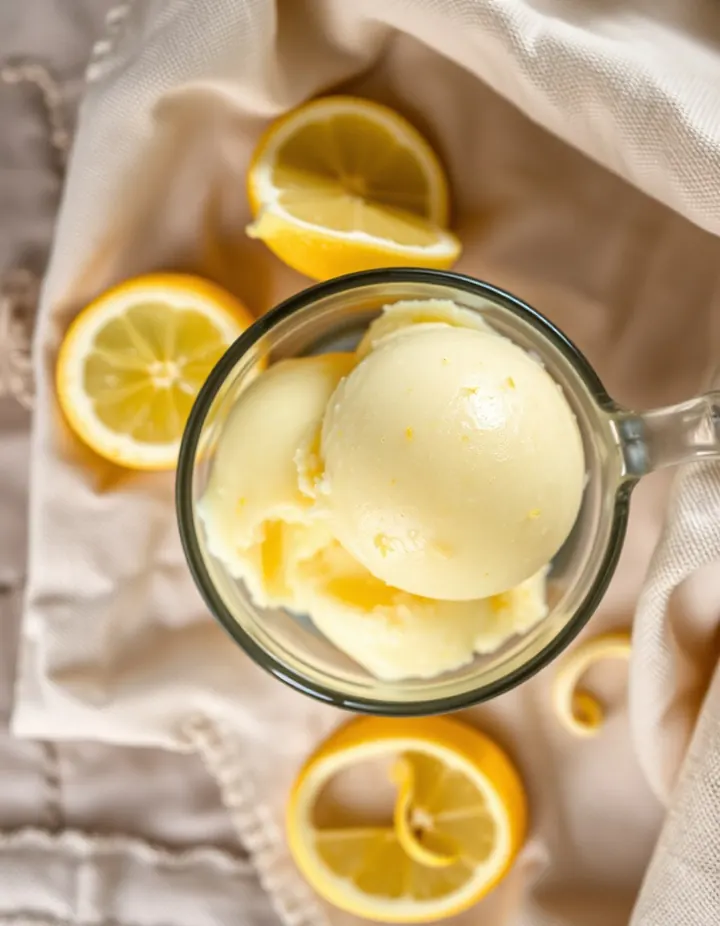 Illustration
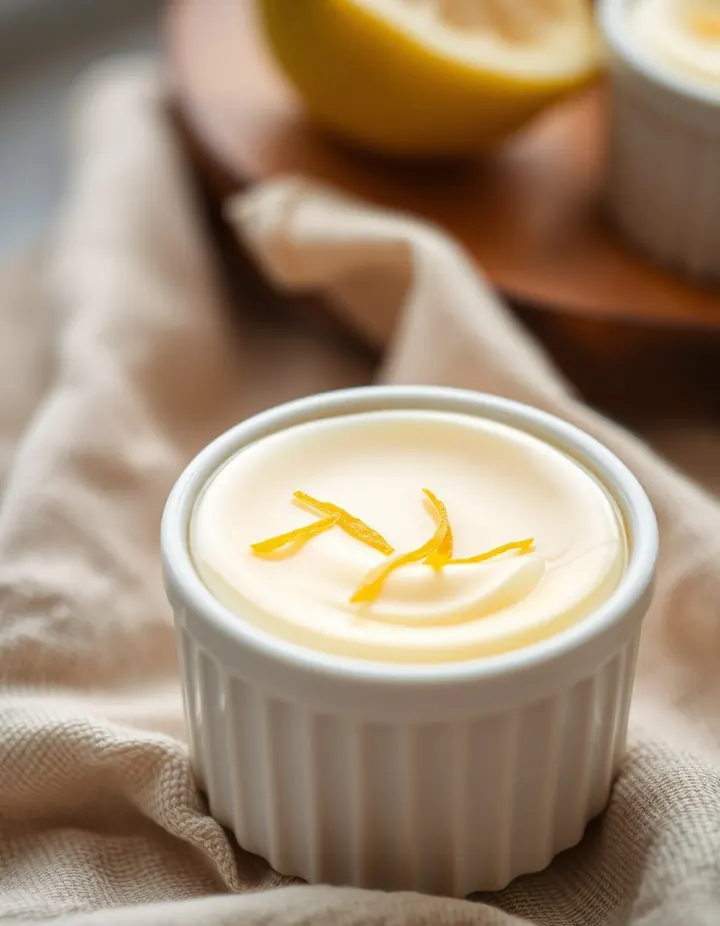 Illustration
The Sunday pairing: one pairing, the chemistry behind it, and how to cook it. No spam, unsubscribe anytime.
Prefer an account? Create a free account for sign-in; Pro adds the full results and chemistry.