Why it works: Clove and ginger match in chemistry and in kitchens. They rank in the top 1% of all ingredient pairs, and cooks put them together in 6,038 recipes. Both carry estragole, which smells anise, licorice. The science ↓
Puerto Rican-style Sweet Rice Pudding
Ingredients
Directions
Prepare the rice and spiced water
Soak rice in water for about two hours before cooking, then drain.
Add salt, cloves, and ginger to three cups of water in a deep saucepan and bring to a boil.
Sieve through a colander to remove the remnants of the spices, then bring to a boil again.
Cook the pudding
Add coconut cream, rice, sugar, and oil.
Cook covered over medium-low heat for about twenty minutes.
Add raisins and blend in.
Continue to cook uncovered until the rice has absorbed all the water, about fifteen more minutes.
Set and serve
Pour into a square or rectangular dish about one inch high and allow to cool.
Sprinkle ground cinnamon or cinnamon sugar on the pudding and cut into two-inch squares for serving.
Refrigerate; it will keep for several days, well covered.
Nutrition, whole recipe (rough)
Counts 8 of 9 ingredients. The other 1 aren't in our nutrition table and add nothing above, so the real totals are higher.
What these numbers assume: 8 portions
| Ingredient | Portion assumed | kcal |
|---|---|---|
| Coconut | 1/2 cup shredded (40g) | 283 |
| Rice | 1 cup cooked (158g) white | 206 |
| Olive Oil | 1 tbsp (14g) | 119 |
| Grape | 1/2 cup (76g) | 62 |
| Sugar | 1 tbsp (12.5g) granulated | 49 |
| Clove | 1 tsp ground (2g) | 7 |
| Ginger | 1 tsp grated fresh (2g) | 2 |
| Salt | 1 tsp (6g) | 0 |
| Water | not in our table | 0 |
One typical portion per ingredient; the recipe's quantities are not counted. A rough guide only, not for medical or dietary planning.
Steps grouped into stages for easier reading; the method is the source's own.
Explore the science
The flavor team
The pairs that carry this dish. Each one is judged two ways: how much their aromas overlap, and how often cooks already put them together.
-
Clove + gingertop 1% of all pairsSmell alikestrongCooked together6,038 recipes
Shared aroma: estragole (anise, licorice).
-
Coconut + ricetop 3% of all pairsSmell alikestrongCooked together1,063 recipes
Shared aroma: decanal (soap, orange peel).
-
Ginger + coconuttop 6% of all pairsSmell alikemoderateCooked together1,168 recipes
Shared aroma: decanal (soap, orange peel).
-
Clove + raisintop 9% of all pairsSmell alikemoderateCooked together4,070 recipes
Shared aroma: ethyl caproate (fruity, apple peel).
-
Cream + sugartop 9% of all pairsSmell alikemoderateCooked together43,450 recipes
Shared aroma: 2,3-butanedione (butter, sweet).
Ranks compare each pair with 20,000 random ingredient pairs on CompKitchen. How we score pairs
What each ingredient does
- Short-grain rice
- Its starch thickens as it cooks in the liquid, giving the pudding its body and chewy texture.
- Coconut cream
- Adds fat and richness, giving the pudding a creamy mouthfeel and a coconut flavor.
- Sugar
- Sweetens the pudding and helps give it a soft, tender set as it cools.
- Raisins
- Add pockets of concentrated sweetness and chewy texture throughout the pudding.
The step that matters
Finishing the absorption cook. Rice keeps absorbing liquid and thickening as it cooks uncovered, so stopping too early leaves the pudding loose and stopping too late can dry it out and make it stiff. Watching for the water to be fully absorbed sets the final texture.
Swap the raisin
How well each one fits the dish's main ingredients (clove, ginger, coconut, cream, rice, sugar):
- Vanillafits better
- Mangofits better
- Limefits better
- Raisinthe original
Fit is the average pairing score against clove, ginger, coconut, cream, rice, sugar. Candidates are from the same food group and used in at least 100 recipes.
“What each ingredient does” and “The step that matters” were written by Claude from this recipe’s own method and reviewed in samples by CompKitchen.
You might also like
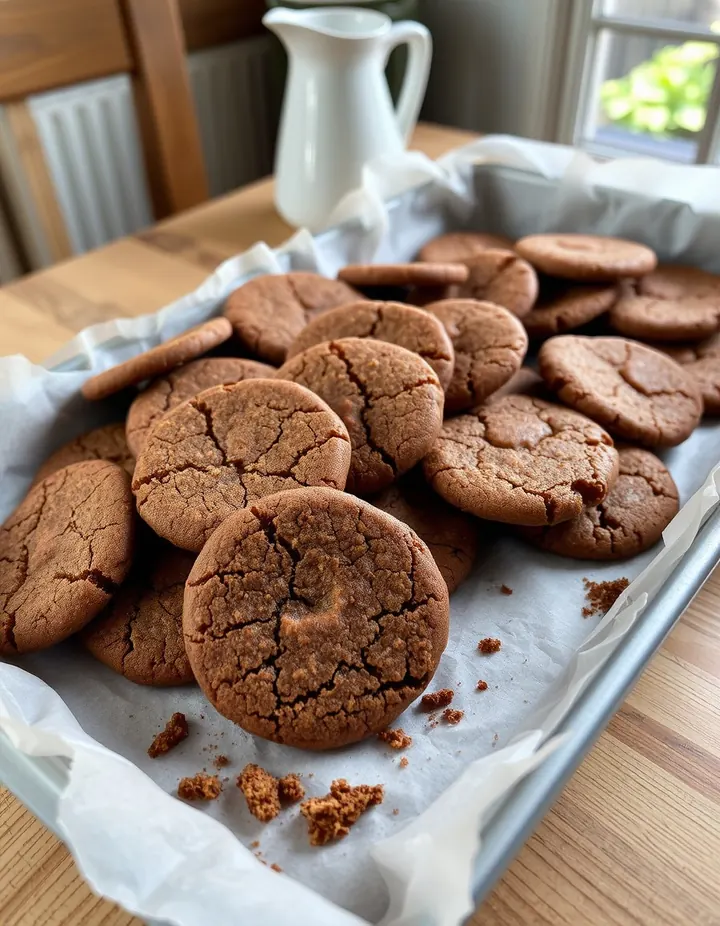 Ginger Cookies213 recipes
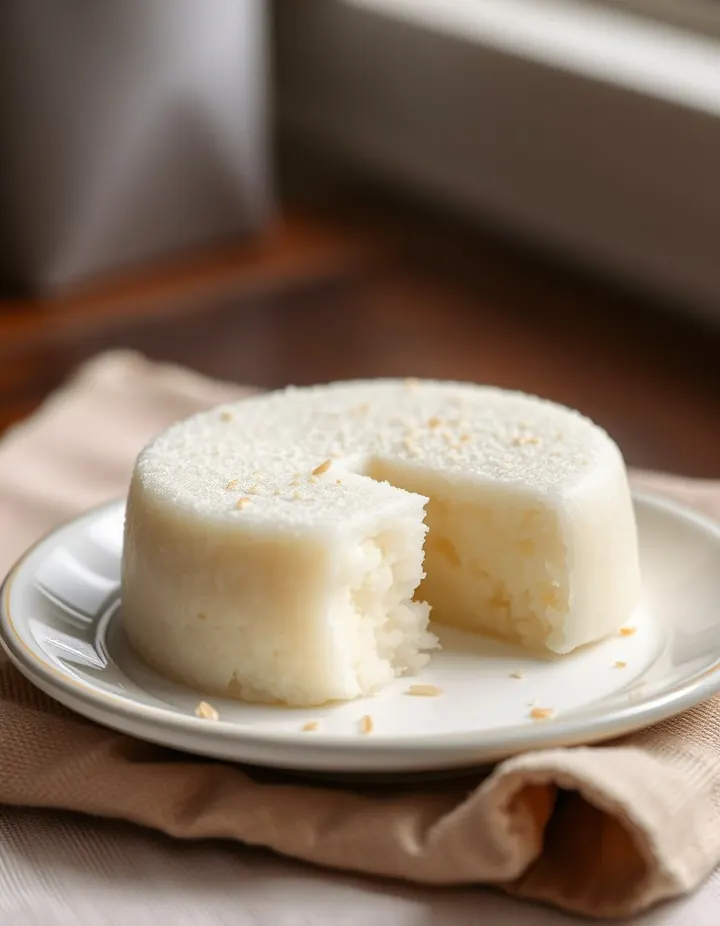 Rice Cake120 recipes
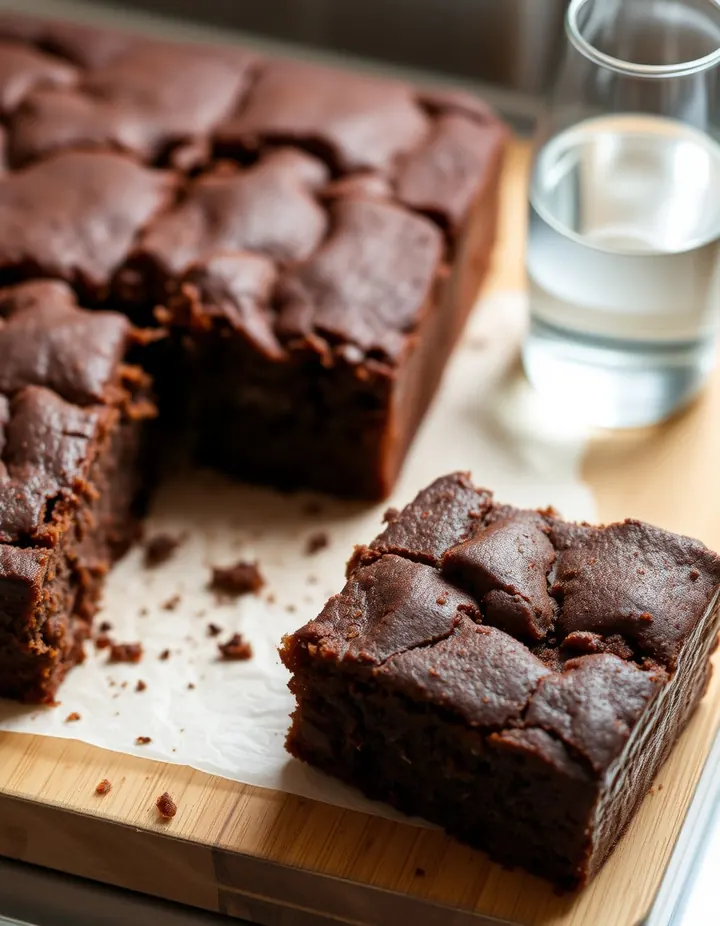 Ginger Cake93 recipes
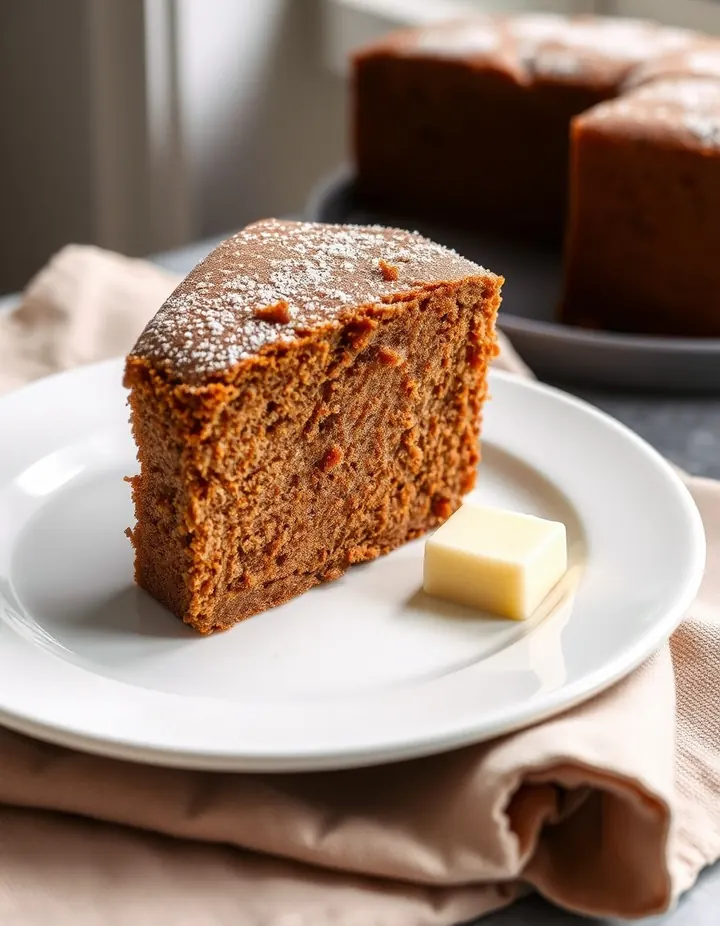 Soft Ginger Bread85 recipes
The free Flavor Lab newsletter: one surprising pairing a week and the molecular reason it works, in 60 seconds. No spam, unsubscribe anytime.
Prefer an account? Create a free account to save pairings and unlock the full chemistry.