Why it works: Sake and carrot work together. They rank in the top 11% of all ingredient pairs, and 25 recipes mention both. Both carry 2-nonenal, which smells fatty, green. The science ↓
The recipe
Ingredients
Contains: egg, soy, fish, shellfish (auto-detected from the ingredients and method; we can miss things, so check labels)
Directions
Prepare the toppings
Place the shiitake mushrooms in a small bowl and cover with fresh warm water with a pinch of sugar to soften them.
Wash the age with hot boiling water to remove excess oil.
Wash the kampyo lightly and discard the water.
Soak the kampyo in a small saucepan of water for a while, then bring to a boil and cook about 10 minutes or until soft.
Remove the kampyo from the water and reserve the water.
Cut the carrot into a fine julienne.
Cut the yude-takenoko into a fine julienne.
Drain the shiitake mushrooms and reserve the water, squeeze out most of the water, and cut into fine strips.
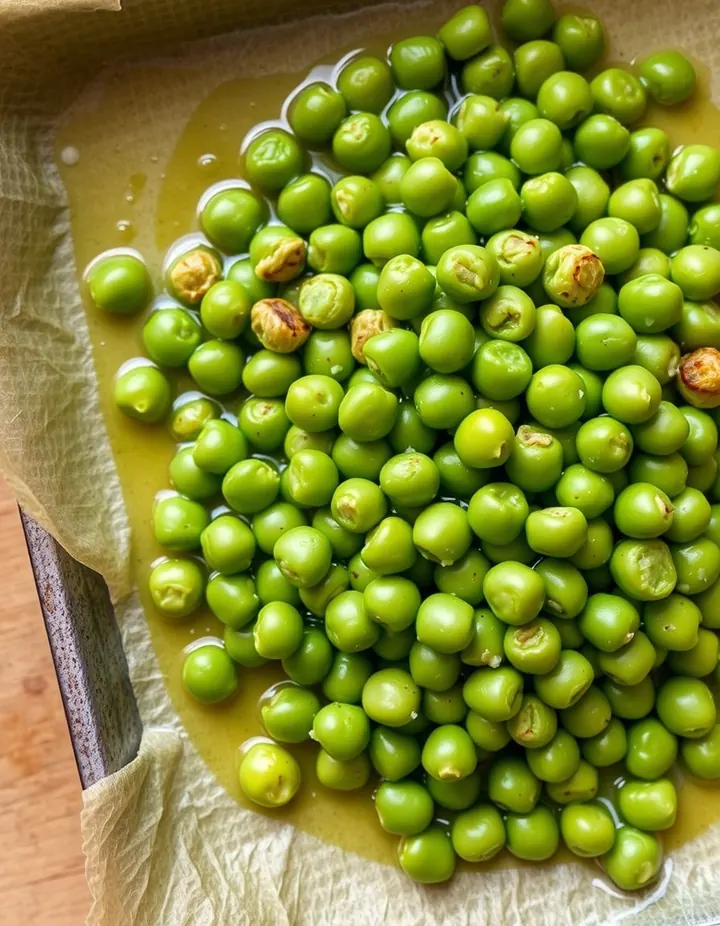
Remove the tips and strings from the peas, blanch in boiling salted water for about 30 seconds, and drain.
Cut the peas into small strips.
Place 1 tablespoon rice vinegar in about 2 to 3 cups water, peel the renkon, cut in half lengthwise, slice finely, and place immediately in the vinegar water.
Put water and 2 tablespoons rice vinegar in a saucepan, bring to a boil, add renkon and boil about 10 minutes until the surface becomes transparent.
While the renkon cooks, mix 3 tablespoons vinegar, 1 tablespoon sugar and a pinch of salt in a bowl, adding a little water if too sour.
Drain the renkon and add it to the vinegar mixture while still hot, then leave to soak, stirring occasionally.
Cook the rice
Wash the rice gently with hands, discard the water, and repeat at least 3 to 4 times until the water is clean.
Drain the rice and transfer to the steamer bowl.
Add water up to a little below the 3 mark (3 gou), add 2 tablespoons sake and the konbu.
Place the bowl in the steamer and let the rice rest about 30 minutes before turning the switch on.
Steam for about 30 minutes, then wait about 10 minutes before opening the steamer.
Make the crepes and seafood
Whisk the eggs with a pinch of salt in a small bowl.
Grease a 6 inch crepe skillet with 1/2 tablespoon vegetable oil, wipe off the excess, and heat on medium.
Pour a small quantity of egg into the skillet and tilt it to distribute the egg uniformly.
Turn the crepe over to cook the top surface, then transfer to a board.
Repeat until all the egg is used to make about 5 to 6 crepes, piling them on top of each other.
Cut the crepes into large strips, pile them, then cut into a very fine julienne.
Place 5 tablespoons sake, 2 1/2 tablespoons mirin and a pinch of salt in a bowl and bring to a boil.
Add the shrimp and remove from heat as soon as they turn red.
Grill the anago briefly, transfer to a cutting board and chop.
Assemble and serve
Remove the kombu from the rice and transfer the rice to a bowl.
Add the vinegar mixture to the rice with a cutting motion, not stirring, while fanning to cool the rice.
Combine the vegetable mixture.
Shell the shrimp and slice them in half.
Transfer the rice to a serving dish.
Top the rice with the renkon slices, shrimp, anago, kinshi tamago, kinusaya, ikura and kizammi nori.
Serve the chirashi sushi.
Cook to a safe temperature. This method doesn't say how hot the inside should get. Check with a food thermometer in the thickest part:
- Fish: 145°F (63°C), or until the flesh is opaque and flakes easily.
- Shellfish: shrimp, lobster and scallops until pearly and opaque; clams, mussels and oysters until the shells open (throw away any that stay shut).
Figures from the USDA's safe minimum internal temperatures.
This recipe comes from the Recipes Wiki on Fandom and is licensed CC BY-SA 4.0. Our formatting and summaries are shared under the same licence.
Steps grouped into stages for easier reading; the method is the source's own.
Found this recipe through an AI assistant? CompKitchen also shows which ingredients go well together and why, from the aroma molecules they share and how often recipes combine them. Try the pairing tools.
Explore the science
The flavor team
The pairs that carry this dish. Each one is judged two ways: how much aroma chemistry they share, and how many recipes mention both.
-
Sake + carrottop 11% of all pairsAroma overlapmoderateMentioned together25 recipes
Shared aroma: 2-nonenal (fatty, green).
-
Shiitake + tofutop 2% of all pairsAroma overlapstrongMentioned together58 recipes
Shared aroma: methyl 2-methylbutyrate (fruity, apple).
-
Kelp + tofutop 3% of all pairsAroma overlapstrongMentioned together11 recipes
Shared aroma: 1-octen-3-ol (mushroom, earthy).
-
Shiitake + mushroomtop 3% of all pairsAroma overlapstrongMentioned together552 recipes
Shared aroma: 1-octen-3-ol (mushroom, earthy).
-
Rice + carrottop 4% of all pairsAroma overlapstrongMentioned together2,351 recipes
Shared aroma: 2-nonenal (fatty, green).
Ranks compare each pair with 20,000 random ingredient pairs on CompKitchen. How we score pairs
What each ingredient does
- Japanese rice
- Forms the base; its starch makes it sticky enough to hold the toppings and absorb the seasoned vinegar.
- Dry shiitake mushrooms
- Rehydrated and sliced, they add chewy texture and savory depth to the rice.
- Eggs
- Thin cooked crepes add a soft, mild, golden layer and colour.
- Rice vinegar
- Adds sharp acidity that balances the sweetness of the sugar and mirin.
- Raw shrimps
- Briefly simmered in sake and mirin, they turn tender and mildly sweet.
- Anago
- Char-broiled eel adds rich, tender fish flavour and a glossy, savory note.
The step that matters
Folding the vinegar into the rice. Cutting and fanning, rather than stirring, keeps the grains separate and glossy. Stirring breaks down the starch on the surface, making the rice gummy and dense.
Flavor stand-ins for the carrot
How well each one fits the dish's main ingredients (shiitake, mushroom, sugar, rice, sake, kelp, tofu):
- Welsh onionbetter flavor fit
- Capsicumbetter flavor fit
- Spinachbetter flavor fit
- Carrotthe original
Fit is the average pairing score against shiitake, mushroom, sugar, rice, sake, kelp, tofu. Candidates are from the same food group and used in at least 100 recipes. This compares flavor only: it does not check the job the ingredient does in the dish (bulk, moisture, acidity, structure).
“What each ingredient does” and “The step that matters” were written by Claude, an AI, from this recipe’s own method. They are not checked recipe by recipe, so they can be wrong.
Make it your own
Stand-ins, a drink, and quick taste fixes for this dish, ranked by how well each fits its other ingredients: shared aroma molecules and how often recipes combine them.
You might also like
 Illustration
 Illustration
 Illustration
 Illustration
The Sunday pairing: one pairing, the chemistry behind it, and how to cook it. No spam, unsubscribe anytime.
Prefer an account? Create a free account for sign-in; Pro adds the full results and chemistry.