Why it works: Cinnamon and vanilla match in chemistry and in kitchens. They rank in the top 1% of all ingredient pairs, and cooks put them together in 5,287 recipes. Both carry 4-methoxybenzaldehyde, which smells sweet, anise. The science ↓
Butterscotch Parfaits
Ingredients
Directions
Make the butterscotch pudding
In saucepan, stir together the first 4 ingredients.
Stir in cream until smooth.
Stir in milk.
Cook until mixture begins to bubble and thicken. Simmer 3 min. Remove from heat.
Stir in vanilla and butter.
Cover and set aside.
Make the vanilla pudding
In 2nd saucepan, stir together first 3 ingredients.
Stir in ½ cup milk until smooth.
Stir in remaining milk.
Cook until mixture begins to bubble and thicken. Simmer 3 min. Remove from heat.
Stir in vanilla.
Assemble and chill
In dessert glasses, alternate layers of both puddings.
Cover with plastic, chill until serving.
Garnish with a little sprinkle of cinnamon.
Nutrition, whole recipe (rough)
Counts 8 of 9 ingredients. The other 1 aren't in our nutrition table and add nothing above, so the real totals are higher.
What these numbers assume: 8 portions
| Ingredient | Portion assumed | kcal |
|---|---|---|
| Flour | 1 cup (125g) all-purpose | 455 |
| Milk | 1 cup (244ml) whole | 149 |
| Butter | 1 tbsp (14g) | 102 |
| Cream | 1 tbsp (15ml) heavy | 51 |
| Sugar | 1 tbsp (12.5g) granulated | 49 |
| Vanilla | 1 tsp extract (4ml) | 12 |
| Cinnamon | 1 tsp ground (2.6g) | 6 |
| Salt | 1 tsp (6g) | 0 |
| Pudding | not in our table | 0 |
One typical portion per ingredient; the recipe's quantities are not counted. A rough guide only, not for medical or dietary planning.
Steps grouped into stages for easier reading; the method is the source's own.
Explore the science
The flavor team
The pairs that carry this dish. Each one is judged two ways: how much their aromas overlap, and how often cooks already put them together.
-
Cinnamon + vanillatop 1% of all pairsSmell alikestrongCooked together5,287 recipes
Shared aroma: 4-methoxybenzaldehyde (sweet, anise).
-
Milk + vanillatop 5% of all pairsSmell alikemoderateCooked together19,187 recipes
Shared aroma: ethyl caproate (fruity, apple peel).
-
Milk + buttertop 7% of all pairsSmell alikemoderateCooked together81,283 recipes
Shared aroma: (z)-4-heptenal (biscuit, cream).
-
Cream + buttertop 8% of all pairsSmell alikemoderateCooked together41,516 recipes
Shared aroma: delta-dodecalactone (sweet, creamy).
-
Sugar + vanillatop 8% of all pairsSmell alikelowCooked together35,032 recipes
Shared aroma: beta-damascenone (apple, rose).
Sugar and vanilla barely smell alike, yet cooks put them together in 35,032 recipes: they work on texture and structure more than aroma.
Ranks compare each pair with 20,000 random ingredient pairs on CompKitchen. How we score pairs
What each ingredient does
- Cornstarch
- Thickens the puddings as they cook and bubble.
- Dark brown sugar
- Adds molasses-like sweetness and flavor to the butterscotch pudding.
- Heavy cream
- Adds richness and a smooth, creamy texture.
- Milk
- Forms the liquid base that the starch thickens into pudding.
- Butter
- Adds fat for richness and a silky mouthfeel.
- Sugar
- Sweetens the vanilla pudding.
The step that matters
Cooking the puddings until they thicken. Cornstarch only thickens fully once the mixture reaches a bubble while stirring constantly. Stopping early leaves the pudding thin, and it sets further as it cools.
“What each ingredient does” and “The step that matters” were written by Claude from this recipe’s own method and reviewed in samples by CompKitchen.
You might also like
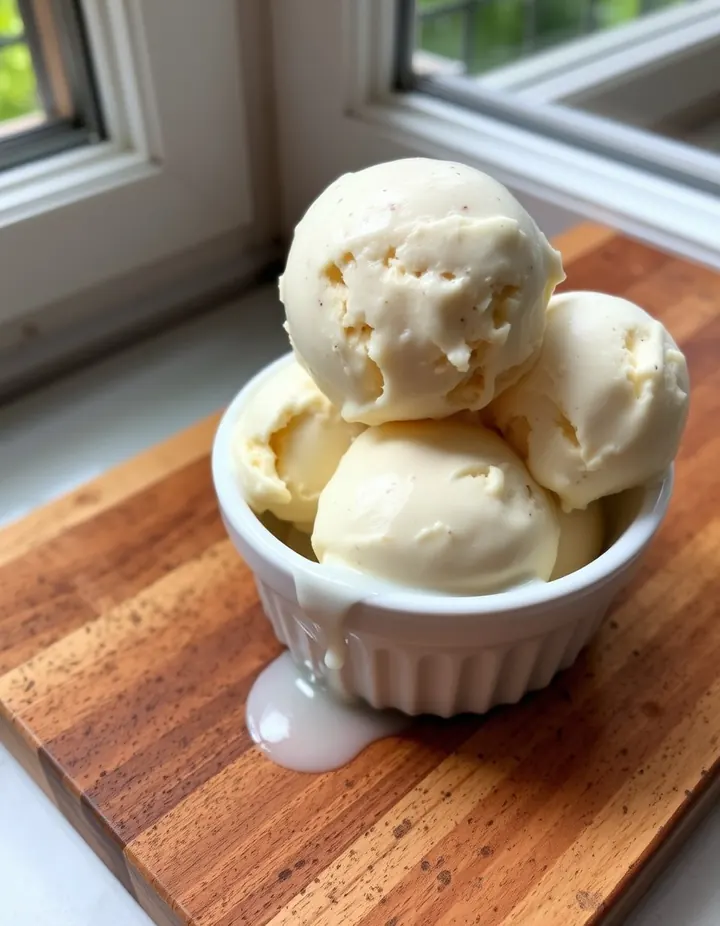 Vanilla Ice Cream108 recipes
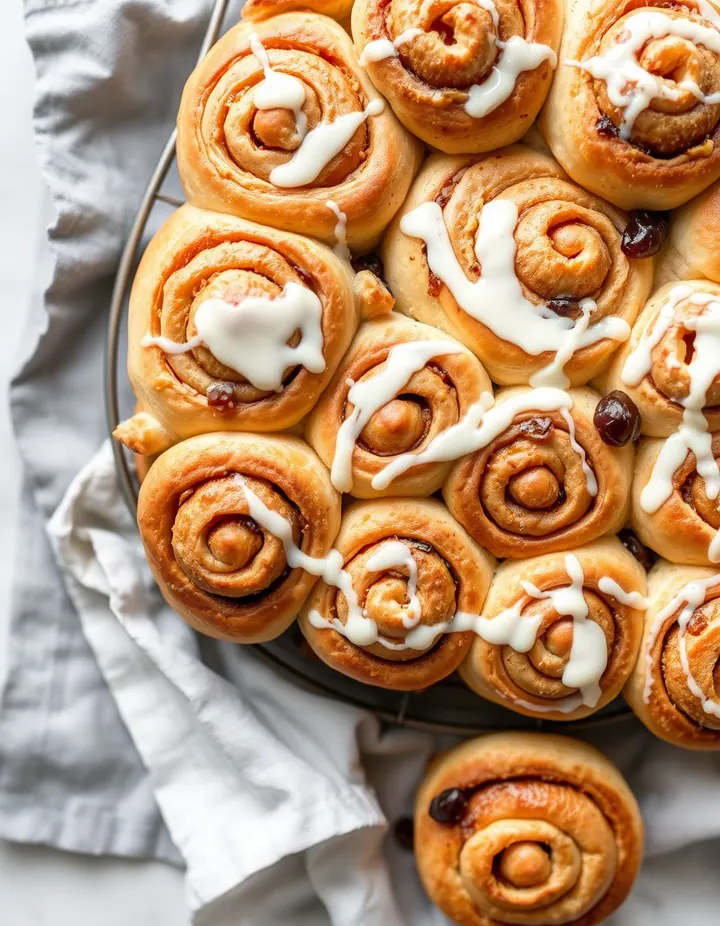 Cinnamon Rolls71 recipes
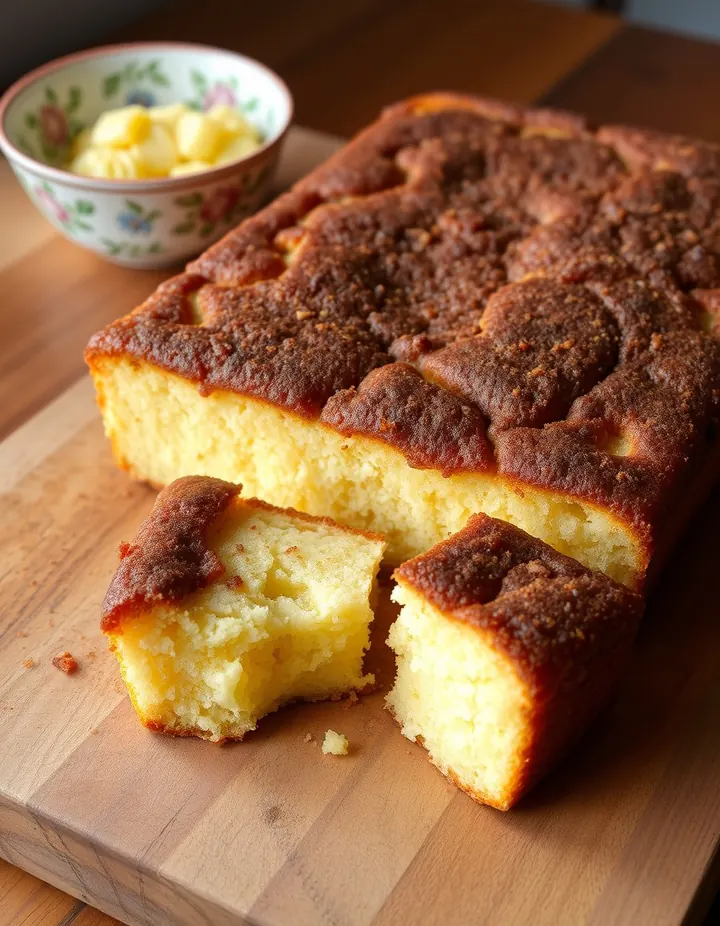 Cinnamon Cake42 recipes
 White Cake431 recipes
The free Flavor Lab newsletter: one surprising pairing a week and the molecular reason it works, in 60 seconds. No spam, unsubscribe anytime.
Prefer an account? Create a free account to save pairings and unlock the full chemistry.