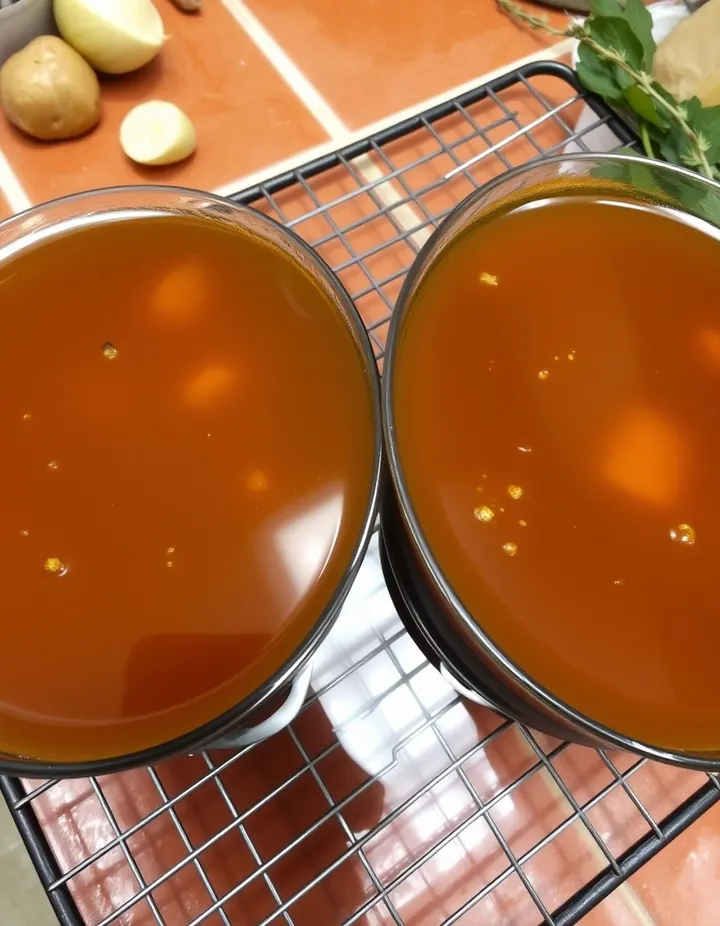
Why it works: Celery and thyme match in chemistry and in kitchens. They rank in the top 3% of all ingredient pairs, and cooks put them together in 3,193 recipes. Both carry beta-phellandrene, which smells minty, terpene. The science ↓
Beef Stock
Ingredients
Directions
Roast the meat and vegetables
Preheat oven to 450°F (230°C).
Remove meat from bone and cut into bite‑size pieces.
Leave bone in pot while mixture cooks.
Place shortening in roasting pan and melt in oven. Shake to coat bottom of pan.
Add meat and roast uncovered for 20 minutes; stir frequently.
Add onions and celery.
Roast for 10 minutes more, stirring to keep from burning.
Simmer the stock
Remove from oven and pour meat and vegetables into large soup pot.
Add a little water to roasting pan and scrape up all the browned bits. Add to soup pot.
Add remaining ingredients to soup; bring to boil.
Reduce heat, cover, and simmer 2 to 3 hours.
Remove bone from pot.
Strain and cool.
Nutrition, whole recipe (rough)
Counts 7 of 8 ingredients. The other 1 aren't in our nutrition table and add nothing above, so the real totals are higher.
What these numbers assume: 7 portions
| Ingredient | Portion assumed | kcal |
|---|---|---|
| Butter | 1 tbsp (14g) | 102 |
| Onion | 1 medium (110g) | 44 |
| Celery | 1 stalk (40g) | 6 |
| Black Pepper | 1 tsp ground (2.3g) | 6 |
| Thyme | 1 tsp dried (1.4g) | 4 |
| Bay Leaf | 1 leaf (0.6g) | 2 |
| Salt | 1 tsp (6g) | 0 |
| Water | not in our table | 0 |
One typical portion per ingredient; the recipe's quantities are not counted. A rough guide only, not for medical or dietary planning.
Steps grouped into stages for easier reading; the method is the source's own.
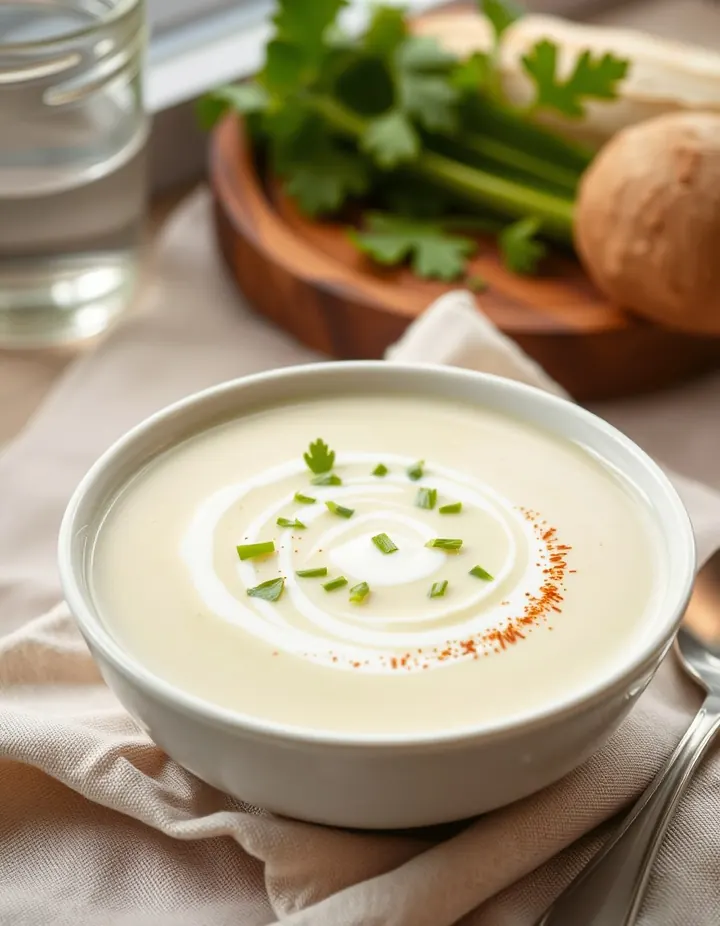
Photo for illustrative purposes only · Contact us to use it
Explore the science
The flavor team
The pairs that carry this dish. Each one is judged two ways: how much their aromas overlap, and how often cooks already put them together.
-
Celery + thymetop 3% of all pairsSmell alikestrongCooked together3,193 recipes
Shared aroma: beta-phellandrene (minty, terpene).
-
Thyme + peppertop 4% of all pairsSmell alikemoderateCooked together11,585 recipes
Shared aroma: beta-phellandrene (minty, terpene).
-
Celery + peppertop 5% of all pairsSmell alikestrongCooked together16,012 recipes
Shared aroma: 4'-methylacetophenone (bitter almond).
-
Onion + thymetop 7% of all pairsSmell alikemoderateCooked together11,171 recipes
Shared aroma: coumarin (sweet, hay).
-
Onion + celerytop 7% of all pairsSmell alikemoderateCooked together18,518 recipes
Shared aroma: guaiacol (smoky, sweet).
Ranks compare each pair with 20,000 random ingredient pairs on CompKitchen. How we score pairs
What each ingredient does
- Chuck roast
- Provides meat and connective tissue that break down into body and savory flavor in the stock.
- Shortening
- Fat that carries heat into the meat and onions, helping them brown in the roasting pan.
- Onions
- Sweetness and savory depth that develop as they caramelize during roasting.
- Celery
- Adds aromatic, vegetal flavor to the stock as it softens and releases its flavor.
- Bay leaves
- Contribute a subtle aromatic herbal note as they steep during simmering.
The step that matters
Roast until well browned, then scrape up the browned bits. Browning through the Maillard reaction creates deep, roasted flavor in the stock. The browned bits stuck to the pan carry much of that flavor, so scraping them into the pot adds it to the liquid.
Swap the onion
How well each one fits the dish's main ingredients (celery, thyme, pepper):
- Carrotfits better
- Parsnipfits better
- Mustardfits better
- Onionthe original
Fit is the average pairing score against celery, thyme, pepper. Candidates are from the same food group and used in at least 100 recipes.
“What each ingredient does” and “The step that matters” were written by Claude from this recipe’s own method and reviewed in samples by CompKitchen.
More beef stock recipes
You might also like
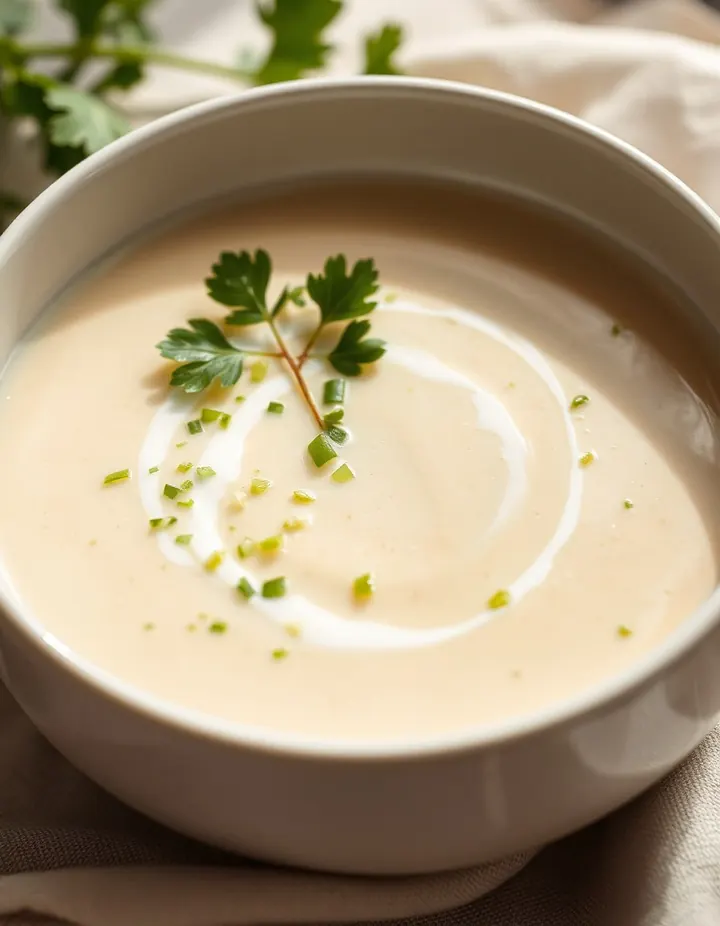 Cream of Celery Soup113 recipes
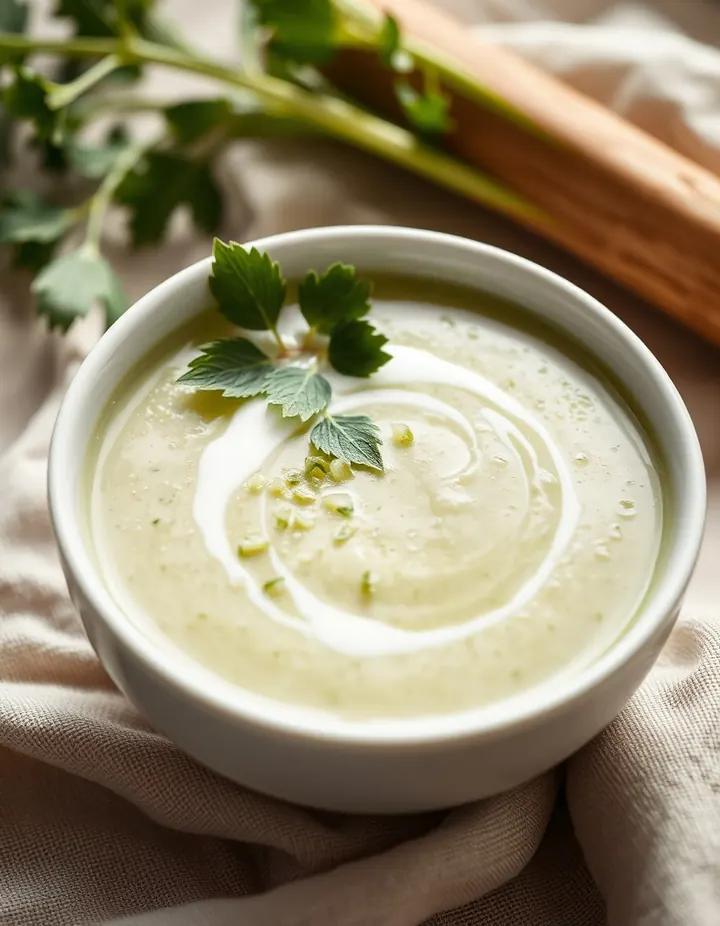 Celery Stew25 recipes
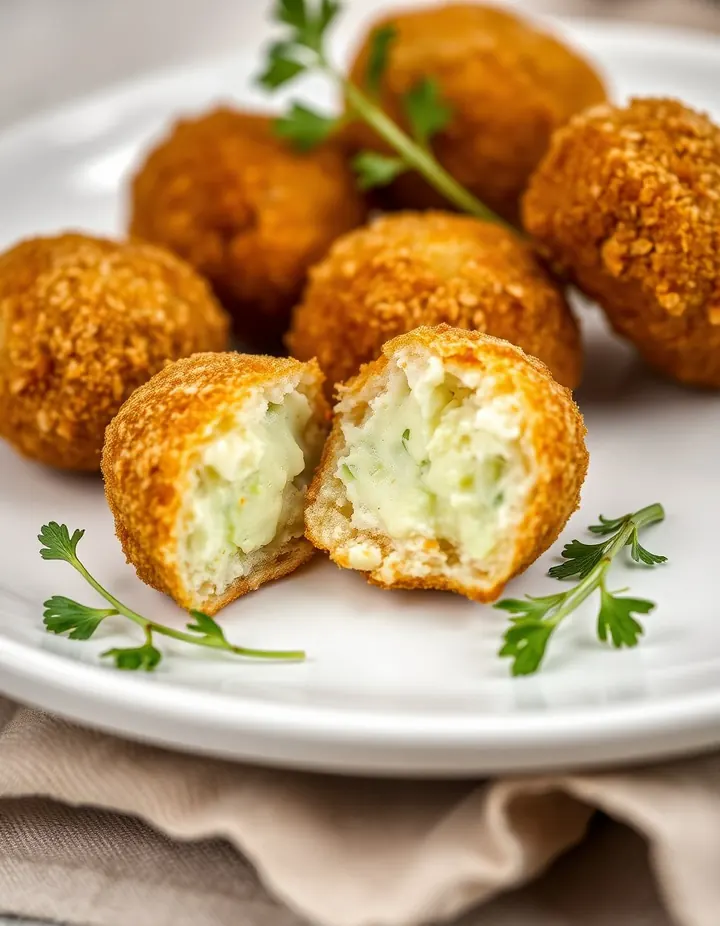 Celery Croquettes16 recipes
 Celery Cream Soup15 recipes
The free Flavor Lab newsletter: one surprising pairing a week and the molecular reason it works, in 60 seconds. No spam, unsubscribe anytime.
Prefer an account? Create a free account to save pairings and unlock the full chemistry.