Why it works: Potato and onion are a kitchen classic. They rank in the top 3% of all ingredient pairs, and cooks put them together in 9,023 recipes. Both carry 2-isopropyl-3-methoxypyrazine, which smells earthy, pea. The science ↓
Spanish Potato Omelette
Serves 4Ingredients
Directions
Prepare the potatoes
Peel, wash, and dry the potatoes; cut into 1 cm cubes or 2 mm slices, wash and dry again, add salt to taste, and mix.
Heat the oil; when hot, fry the potatoes, but do not let them brown; once done, drain the oil and set the potatoes aside.
Prepare the onion and eggs
Dice or slice the onion; fry until translucent.
Beat the eggs with a small amount of salt until homogeneous; then mix in the potatoes and onion.
Cook and serve
Heat 3 tablespoons of olive oil in an empty pan (or use the previous pan after removing most of the oil).
Once the pan is hot, add the egg mixture with onion and potatoes.
After 7–8 minutes, the bottom should be done; place a dish over the pan and carefully turn the omelette over so the uncooked side rests on the dish. Then return the pan to the heat and slide the mixture into the pan to cook the other side.
After a couple of additional minutes, the omelette should be done and ready to serve.
Nutrition, whole recipe (rough)
What these numbers assume: 5 portions
| Ingredient | Portion assumed | kcal |
|---|---|---|
| Potato | 1 medium (173g) baked | 161 |
| Olive Oil | 1 tbsp (14g) | 119 |
| Egg | 1 large egg (50g) | 78 |
| Onion | 1 medium (110g) | 44 |
| Salt | 1 tsp (6g) | 0 |
One typical portion per ingredient; the recipe's quantities are not counted. A rough guide only, not for medical or dietary planning.
Steps grouped into stages for easier reading; the method is the source's own.
Explore the science
The flavor team
The pairs that carry this dish. Each one is judged two ways: how much their aromas overlap, and how often cooks already put them together.
-
Potato + oniontop 3% of all pairsSmell alikemoderateCooked together9,023 recipes
Shared aroma: 2-isopropyl-3-methoxypyrazine (earthy, pea).
-
Potato + olivetop 7% of all pairsSmell alikemoderateCooked together6,458 recipes
Shared aroma: 2-undecenal (sweet).
-
Onion + olivetop 8% of all pairsSmell alikemoderateCooked together29,779 recipes
Shared aroma: 2,4-decadienal (seaweed).
-
Egg + potatotop 29% of all pairsSmell alikemoderateCooked together4,978 recipes
Shared aroma: (e)-2-octenal (fatty, green).
-
Egg + olivetop 31% of all pairsSmell alikemoderateCooked together15,340 recipes
Shared aroma: 2,4-decadienal (seaweed).
Ranks compare each pair with 20,000 random ingredient pairs on CompKitchen. How we score pairs
What each ingredient does
- Eggs
- Bind the mixture and set into a firm, sliceable omelette when cooked.
- Potatoes
- Provide the bulk of the body and a soft, tender texture inside the omelette.
- Onion
- Adds sweetness and aroma as it softens into the mixture.
- Olive oil
- Conducts heat for frying the potatoes and keeps the omelette from sticking to the pan.
The step that matters
Frying the potatoes without browning. Gentle frying cooks the potatoes through to a tender texture while keeping them pale. Browning makes them tough and firm, which changes the texture of the finished omelette.
Swap the onion
How well each one fits the dish's main ingredients (egg, potato, olive):
- Chivefits better
- Asparagusfits better
- Tomatofits better
- Onionthe original
Fit is the average pairing score against egg, potato, olive. Candidates are from the same food group and used in at least 100 recipes.
“What each ingredient does” and “The step that matters” were written by Claude from this recipe’s own method and reviewed in samples by CompKitchen.
You might also like
 Potato Croquettes255 recipes
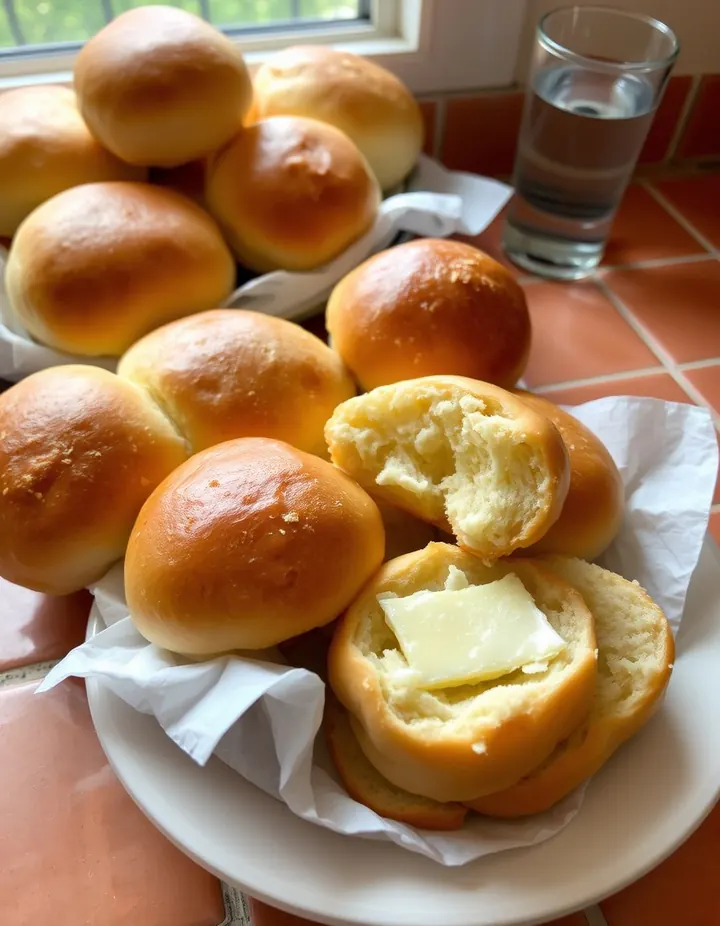 Potato Rolls78 recipes
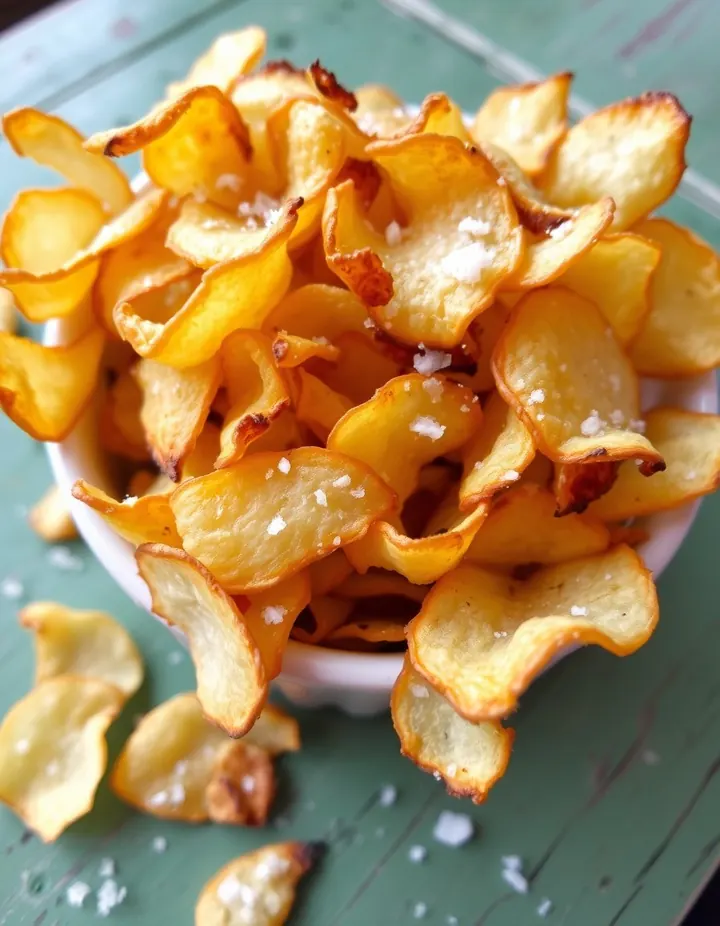 Potato Chips53 recipes
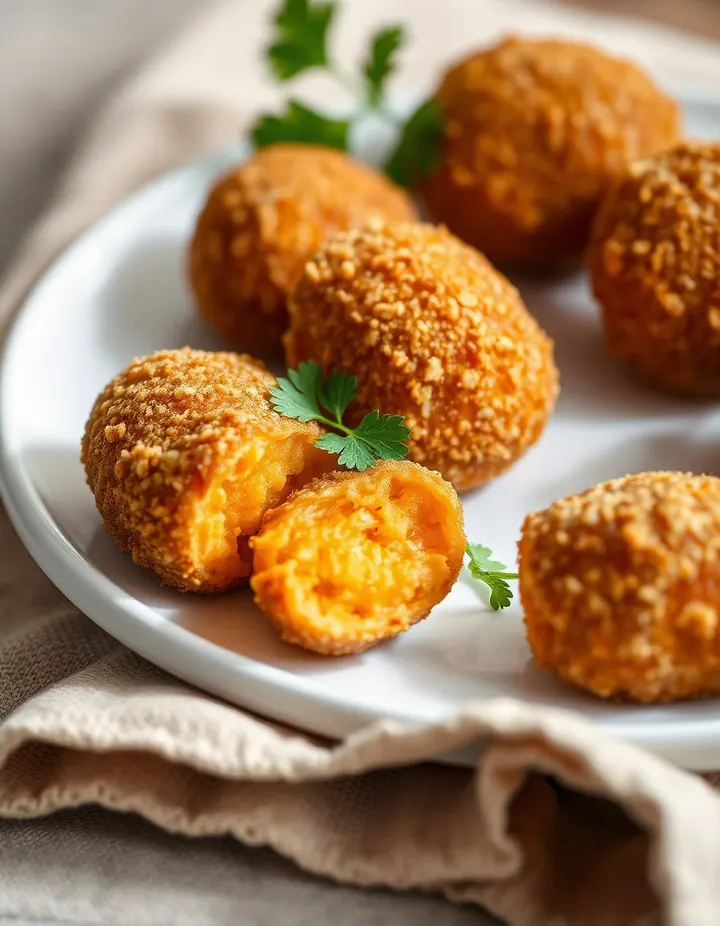 Sweet Potato Croquettes53 recipes
The free Flavor Lab newsletter: one surprising pairing a week and the molecular reason it works, in 60 seconds. No spam, unsubscribe anytime.
Prefer an account? Create a free account to save pairings and unlock the full chemistry.