Why it works: Potato and onion are a kitchen classic. They rank in the top 3% of all ingredient pairs, and cooks put them together in 9,023 recipes. Both carry 2-isopropyl-3-methoxypyrazine, which smells earthy, pea. The science ↓
Twice-Baked Potatoes II
Serves 4Ingredients
Directions
Bake the potatoes
Preheat oven to 400°F.
Pierce potato skins with a fork and wrap in foil.
Bake potatoes for 1 hour or until soft.
Reduce oven temperature to 350°F.
Carefully remove potatoes from oven and cool for 10 minutes.
Make the filling
Cut potatoes at top ⅓ lengthwise and remove tops.
Scoop out pulp with a small spoon, to about ¼ inch from skin.
Mash potato pulp with a fork until smooth.
Add butter, sour cream, ½ cup shredded cheese, heavy cream, milk, salt, and pepper, mash until well combined and smooth.
Stir in bacon and onion.
Fill and bake
Spoon or pipe the mixture into the empty potato shells.
Top with the rest of the cheese.
Bake for 15 minutes, or until cheese is melted.
Nutrition, whole recipe (rough)
What these numbers assume: 10 portions
| Ingredient | Portion assumed | kcal |
|---|---|---|
| Potato | 1 medium (173g) baked | 161 |
| Milk | 1 cup (244ml) whole | 149 |
| Cheddar Cheese | 1 oz (28g) | 113 |
| Butter | 1 tbsp (14g) | 102 |
| Yogurt | 170g plain Greek | 100 |
| Cream | 1 tbsp (15ml) heavy | 51 |
| Onion | 1 medium (110g) | 44 |
| Bacon | 1 slice cooked (8g) | 43 |
| Black Pepper | 1 tsp ground (2.3g) | 6 |
| Salt | 1 tsp (6g) | 0 |
One typical portion per ingredient; the recipe's quantities are not counted. A rough guide only, not for medical or dietary planning.
Steps grouped into stages for easier reading; the method is the source's own.
Explore the science
The flavor team
The pairs that carry this dish. Each one is judged two ways: how much their aromas overlap, and how often cooks already put them together.
-
Potato + oniontop 3% of all pairsSmell alikemoderateCooked together9,023 recipes
Shared aroma: 2-isopropyl-3-methoxypyrazine (earthy, pea).
-
Butter + milktop 7% of all pairsSmell alikemoderateCooked together81,283 recipes
Shared aroma: (z)-4-heptenal (biscuit, cream).
-
Potato + cheddar cheesetop 8% of all pairsSmell alikemoderateCooked together932 recipes
Shared aroma: 2-isopropyl-3-methoxypyrazine (earthy, pea).
-
Butter + creamtop 8% of all pairsSmell alikemoderateCooked together41,516 recipes
Shared aroma: delta-dodecalactone (sweet, creamy).
-
Butter + cheddar cheesetop 8% of all pairsSmell alikemoderateCooked together2,436 recipes
Shared aroma: delta-dodecalactone (sweet, creamy).
Ranks compare each pair with 20,000 random ingredient pairs on CompKitchen. How we score pairs
What each ingredient does
- Russet potatoes
- Provide the starchy flesh that becomes light and fluffy when mashed.
- Sour cream
- Adds moisture and tang, keeping the mashed filling creamy.
- Sharp cheddar cheese
- Melts into the filling and browns on top, adding richness and flavor.
- Heavy cream
- Adds fat and richness, making the filling smoother.
- Butter
- Adds fat and flavor, helping the filling feel smooth and rich.
- Bacon
- Contributes salty, smoky fat that adds savory flavor to the filling.
The step that matters
Scoop the pulp without breaking the shell. Leaving about ¼ inch of pulp keeps the skin sturdy enough to hold the filling. Scooping too deep can tear the shell, so the filling will not stay in place during the second bake.
Swap the onion
How well each one fits the dish's main ingredients (potato, butter, cream, cheddar cheese, milk, pepper):
- Capsicumfits about as well
- Onionthe original
- Chivefits about as well
- Asparagusfits about as well
Fit is the average pairing score against potato, butter, cream, cheddar cheese, milk, pepper. Candidates are from the same food group and used in at least 100 recipes.
“What each ingredient does” and “The step that matters” were written by Claude from this recipe’s own method and reviewed in samples by CompKitchen.
You might also like
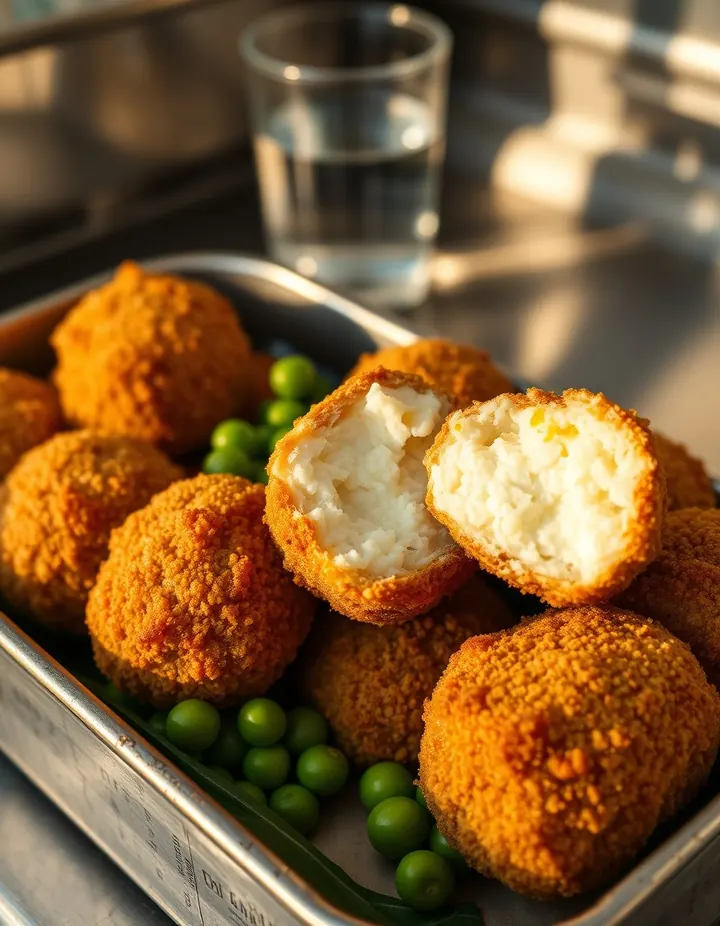 Potato Croquettes255 recipes
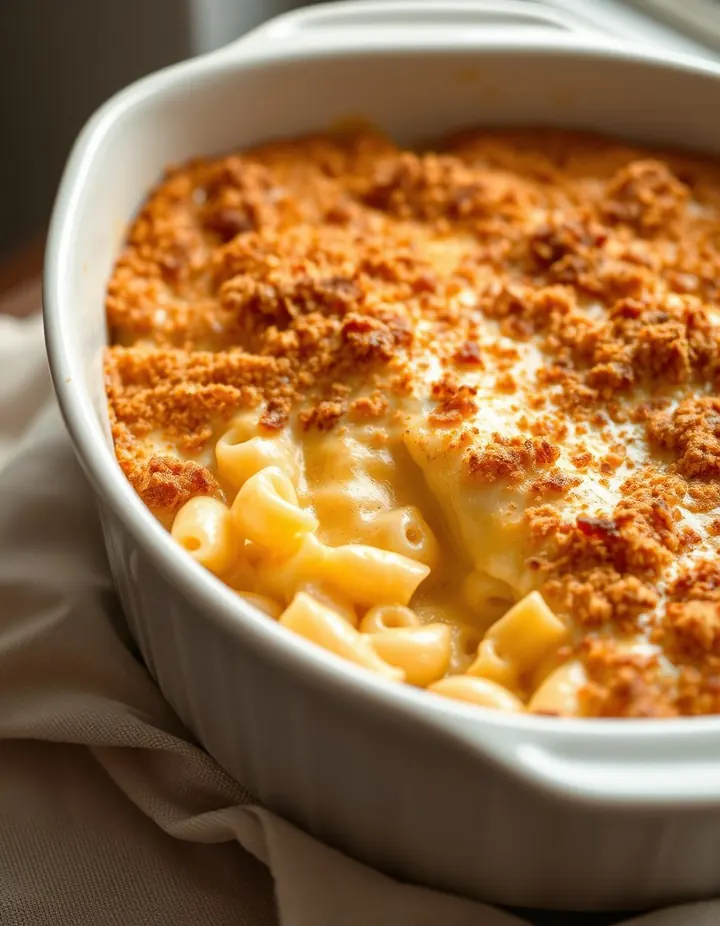 Macaroni and Cheese102 recipes
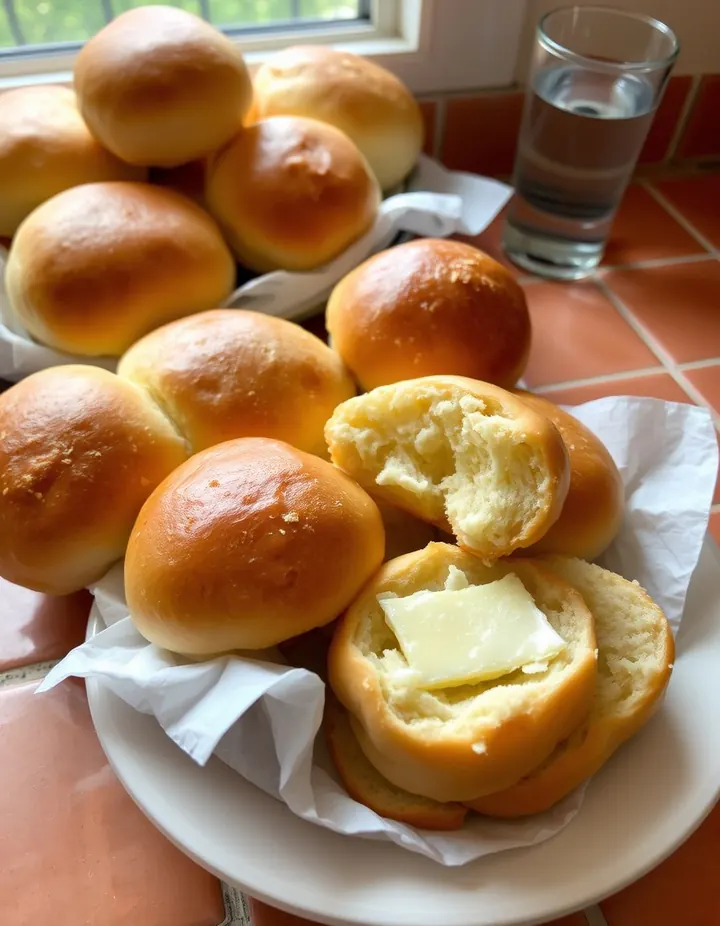 Potato Rolls78 recipes
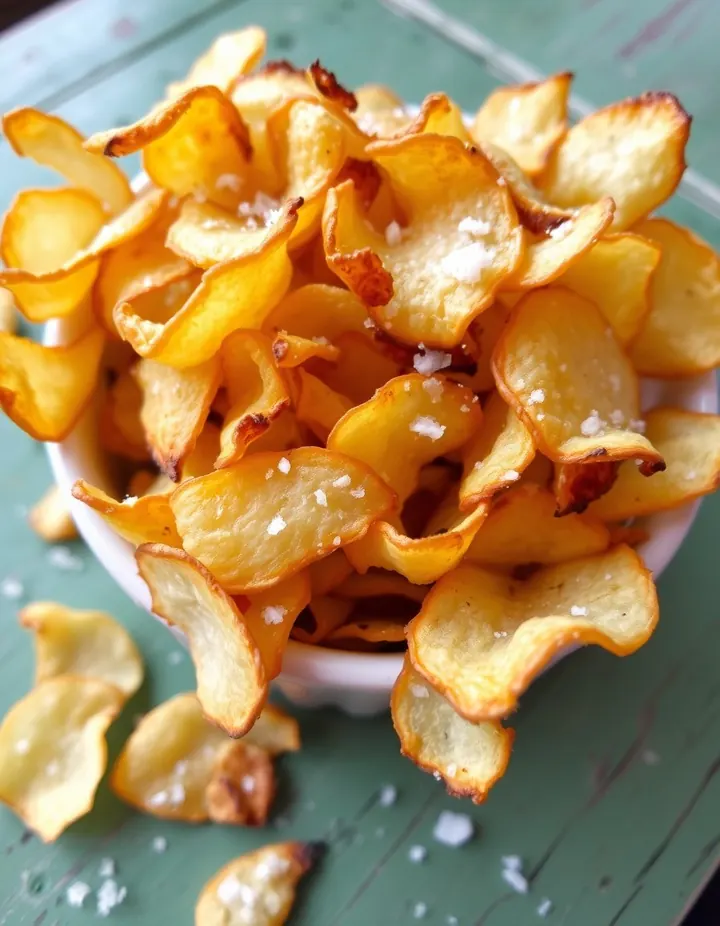 Potato Chips53 recipes
The free Flavor Lab newsletter: one surprising pairing a week and the molecular reason it works, in 60 seconds. No spam, unsubscribe anytime.
Prefer an account? Create a free account to save pairings and unlock the full chemistry.