Why it works: Salmon and pasta work together. They rank in the top 11% of all ingredient pairs, and 169 recipes mention both. Both carry nonanal, which smells fat, citrus. The science ↓
The recipe
Ingredients
Contains: milk, wheat, fish (auto-detected from the ingredients and method; we can miss things, so check labels)
Directions
Prepare
Set a large saucepan of water on the hob to boil and preheat the grill to medium-high.
Arrange the salmon fillets on the grill rack and cook for 5 to 6 minutes.
Turn off the grill and leave the salmon to rest.
Cook the pasta and vegetables
While the salmon is grilling, cook the pasta shapes in the boiling water for 8 minutes.
Add the spring onions and broccoli and cook for a further 3 or 4 minutes.
Put the peas in a large colander.
Once the pasta, broccoli and spring onions are cooked, drain them into the colander over the peas, reserving 2 tablespoons of the cooking water in the pan.
Make the sauce and finish
Put the soft cheese and skimmed milk into the hot saucepan with the reserved cooking water.
Stir over a medium heat until smooth.
Add the lemon zest and parsley (or chives).
Return the pasta and vegetables to the saucepan with the sauce and heat gently for a couple of minutes, until warmed through.
Carefully break the salmon into chunks and add to the pan, stirring gently to avoid breaking up too much.
Season everything with pepper.
Serve each portion with 1 teaspoon of grated cheese on top.
Steps grouped into stages for easier reading; the method is the source's own.
Found this recipe through an AI assistant? CompKitchen also shows which ingredients go well together and why, from the aroma molecules they share and how often recipes combine them. Try the pairing tools.
Explore the science
The flavor team
The pairs that carry this dish. Each one is judged two ways: how much aroma chemistry they share, and how many recipes mention both.
-
Salmon + pastatop 11% of all pairsAroma overlapmoderateMentioned together169 recipes
Shared aroma: nonanal (fat, citrus).
-
Pasta + broccolitop 4% of all pairsAroma overlapstrongMentioned together286 recipes
Shared aroma: nonanal (fat, citrus).
-
Broccoli + lemontop 4% of all pairsAroma overlapmoderateMentioned together809 recipes
Shared aroma: linalool (floral, citrus).
-
Salmon + peastop 4% of all pairsAroma overlapstrongMentioned together375 recipes
Shared aroma: trans,trans-2,4-nonadienal (fatty, green).
-
Cheese + milktop 4% of all pairsAroma overlapstrongMentioned together4,424 recipes
Shared aroma: delta-dodecalactone (sweet, creamy).
Ranks compare each pair with 20,000 random ingredient pairs on CompKitchen. How we score pairs
What each ingredient does
- Salmon fillets
- Provides the main protein and flakes into moist pieces when cooked through.
- Wholemeal pasta
- Forms the bulk of the dish and gives a firm, chewy bite that holds the sauce.
- Soft cheese
- Melts with the cooking water into a creamy sauce that coats the pasta.
- Broccoli
- Adds body, colour and a slightly firm texture to the pasta.
- Skimmed milk
- Thins the soft cheese into a smooth, pourable sauce.
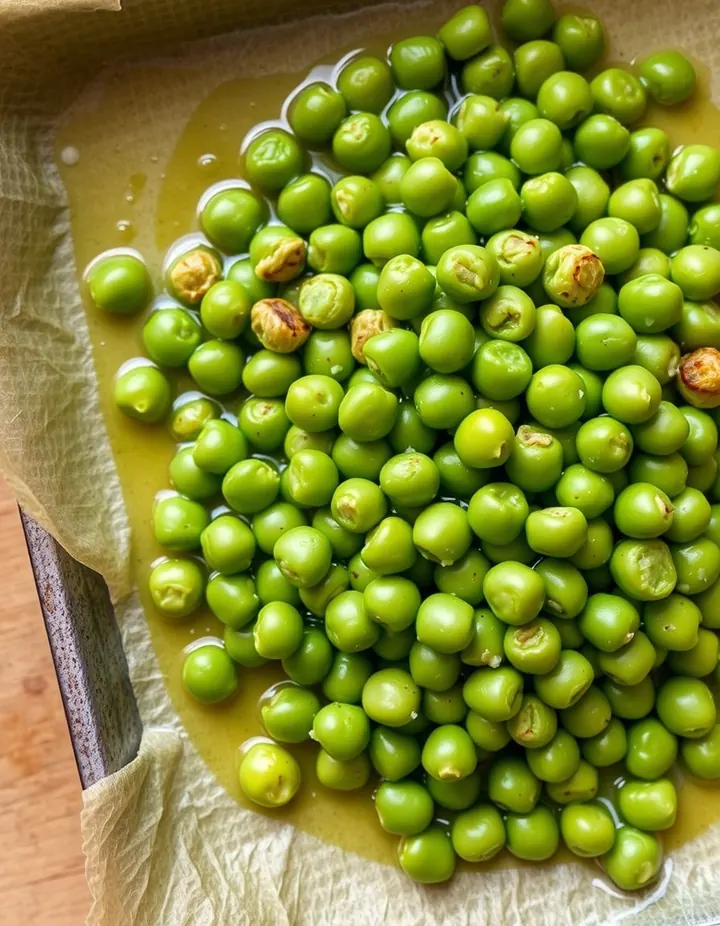
- Peas
- Add sweetness and bright colour, and are warmed through in the drained pasta.
The step that matters
Breaking the salmon into chunks. Salmon is delicate and flakes easily; gentle stirring keeps the pieces intact. Overworking it breaks the fish into small shreds and dries out the texture.
Flavor stand-ins for the onion
How well each one fits the dish's main ingredients (salmon, pasta, broccoli, peas, cheese, milk, lemon):
- Asparagusbetter flavor fit
- Potatobetter flavor fit
- Tomatobetter flavor fit
- Onionthe original
Fit is the average pairing score against salmon, pasta, broccoli, peas, cheese, milk, lemon. Candidates are from the same food group and used in at least 100 recipes. This compares flavor only: it does not check the job the ingredient does in the dish (bulk, moisture, acidity, structure).
“What each ingredient does” and “The step that matters” were written by Claude from this recipe’s own method and reviewed in samples by CompKitchen.
You might also like
 Illustration
 Illustration
 Illustration
 Illustration
The Sunday pairing: one pairing, the chemistry behind it, and how to cook it. No spam, unsubscribe anytime.
Prefer an account? Create a free account for sign-in; Pro adds the full results and chemistry.