Why it works: Butter and milk are a kitchen classic. They rank in the top 7% of all ingredient pairs, and cooks put them together in 81,283 recipes. Both carry (z)-4-heptenal, which smells biscuit, cream. The science ↓
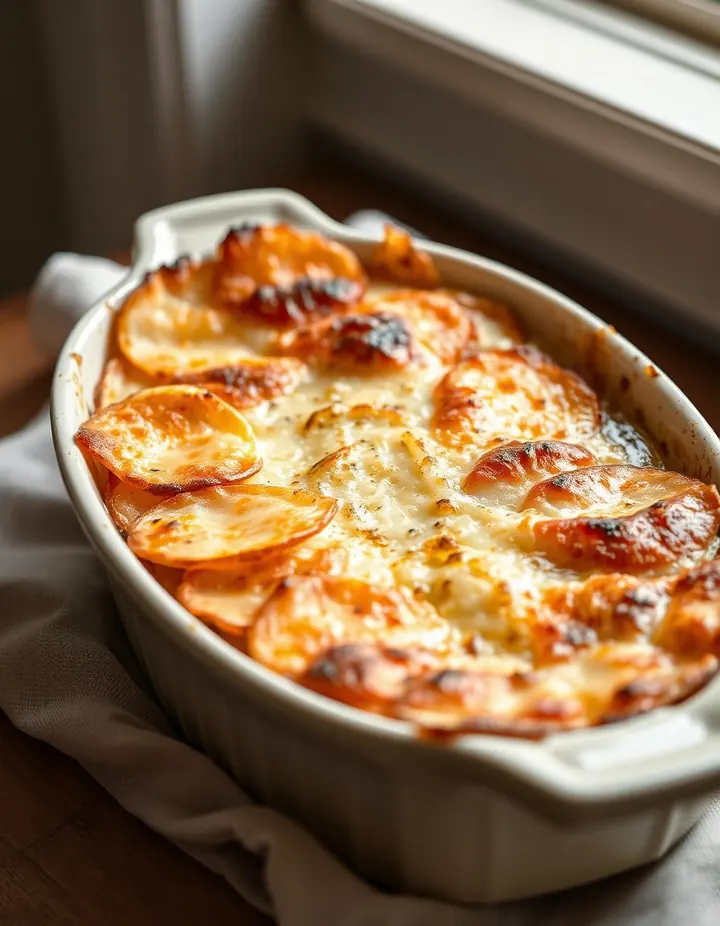
Potatoes Au Gratin
Ingredients
Directions
Make the sauce
Make a white sauce using 1 tablespoon butter, 1 tablespoon flour, ½ teaspoon salt, 1 teaspoon white pepper, and 1 cup milk.
Cut cold boiled potatoes into thick slices or ½‑inch cubes.
Assemble and bake
Butter a baking dish, layer a spoonful of sauce, then a potato slice lightly seasoned with salt and pepper.
Continue layering until all potatoes are used (about 2 cups).
Add 1 teaspoon melted butter to 1 cup sifted bread crumbs; spread this over the potatoes.
Place the dish in a quick oven for 20 minutes or until well browned.
Optional additions
Optionally add onion juice, chopped parsley, or grated cheese to the sauce.
Nutrition, whole recipe (rough)
What these numbers assume: 6 portions
| Ingredient | Portion assumed | kcal |
|---|---|---|
| Flour | 1 cup (125g) all-purpose | 455 |
| Potato | 1 medium (173g) baked | 161 |
| Milk | 1 cup (244ml) whole | 149 |
| Butter | 1 tbsp (14g) | 102 |
| Black Pepper | 1 tsp ground (2.3g) | 6 |
| Salt | 1 tsp (6g) | 0 |
One typical portion per ingredient; the recipe's quantities are not counted. A rough guide only, not for medical or dietary planning.
Transcribed from a scanned cookbook and modernised for today's kitchens. Where the book gave no heat or time, or said "a moderate oven", the temperatures and times here may be modern equivalents rather than the book's own figures. See the original page.
Photo for illustrative purposes only · Contact us to use it
Explore the science
The flavor team
The pairs that carry this dish. Each one is judged two ways: how much their aromas overlap, and how often cooks already put them together.
-
Butter + milktop 7% of all pairsSmell alikemoderateCooked together81,283 recipes
Shared aroma: (z)-4-heptenal (biscuit, cream).
-
Potato + peppertop 9% of all pairsSmell alikemoderateCooked together8,305 recipes
Shared aroma: 2-isopropyl-3-methoxypyrazine (earthy, pea).
-
Milk + potatotop 9% of all pairsSmell alikemoderateCooked together3,611 recipes
Shared aroma: (e,z)-2,6-nonadienal (cucumber, melon).
-
Butter + flourtop 12% of all pairsSmell alikelowCooked together124,287 recipes
Shared aroma: isobutyraldehyde (malty, green).
-
Butter + potatotop 13% of all pairsSmell alikemoderateCooked together6,456 recipes
Shared aroma: (z)-4-heptenal (biscuit, cream).
Butter and flour barely smell alike, yet cooks put them together in 124,287 recipes: they work on texture and structure more than aroma.
Ranks compare each pair with 20,000 random ingredient pairs on CompKitchen. How we score pairs
What each ingredient does
- Potatoes (in the method)
- Form the bulk of the dish, absorbing the sauce and becoming tender as they bake.
- Milk
- Forms the liquid base of the white sauce that moistens the layers.
- Butter
- Adds richness and helps the crumb topping brown.
- Flour
- Thickens the milk into a smooth white sauce.
- Bread crumbs (in the method)
- Form a crisp, browned topping over the potatoes.
The step that matters
Making the white sauce. Flour must be cooked briefly in butter before the milk is added, otherwise the sauce stays floury and lumpy. Stirring as the milk goes in keeps it smooth as it thickens.
Swap the white pepper
How well each one fits the dish's main ingredients (butter, flour, milk, potato, pepper):
- Parsleyfits better
- Nutmegfits better
- Cinnamonfits better
- White pepperthe original
Fit is the average pairing score against butter, flour, milk, potato, pepper. Candidates are from the same food group and used in at least 100 recipes.
“What each ingredient does” and “The step that matters” were written by Claude from this recipe’s own method and reviewed in samples by CompKitchen.
You might also like
 Potato Croquettes255 recipes
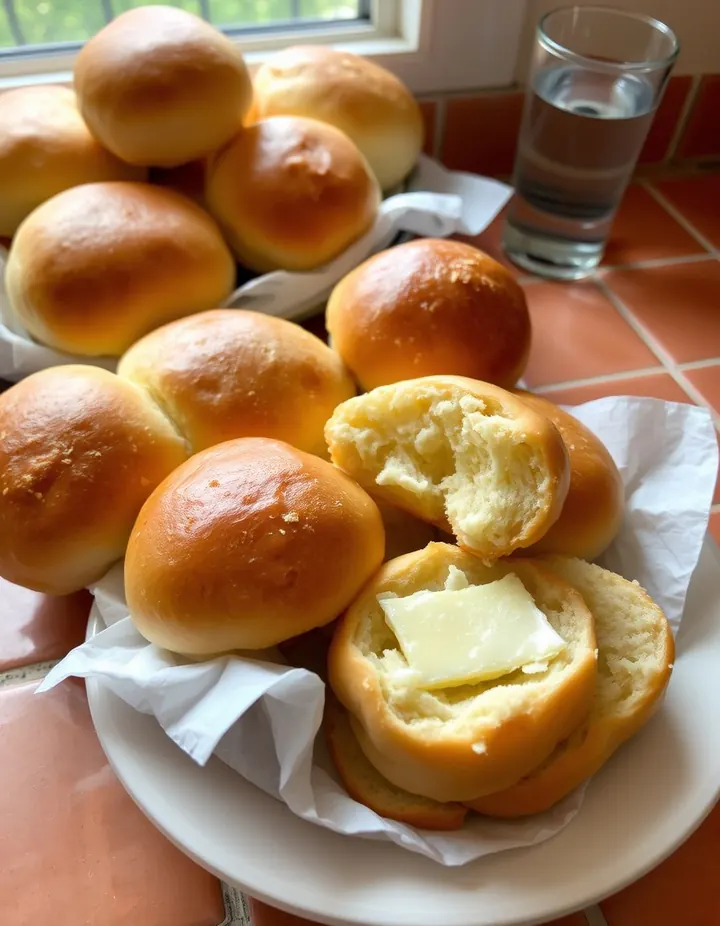 Potato Rolls78 recipes
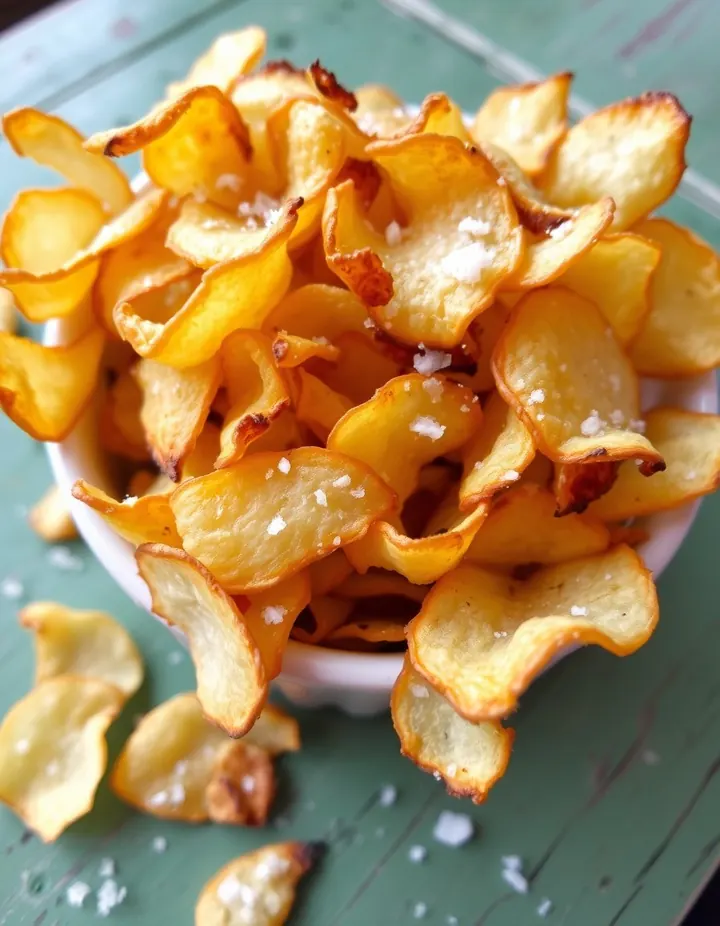 Potato Chips53 recipes
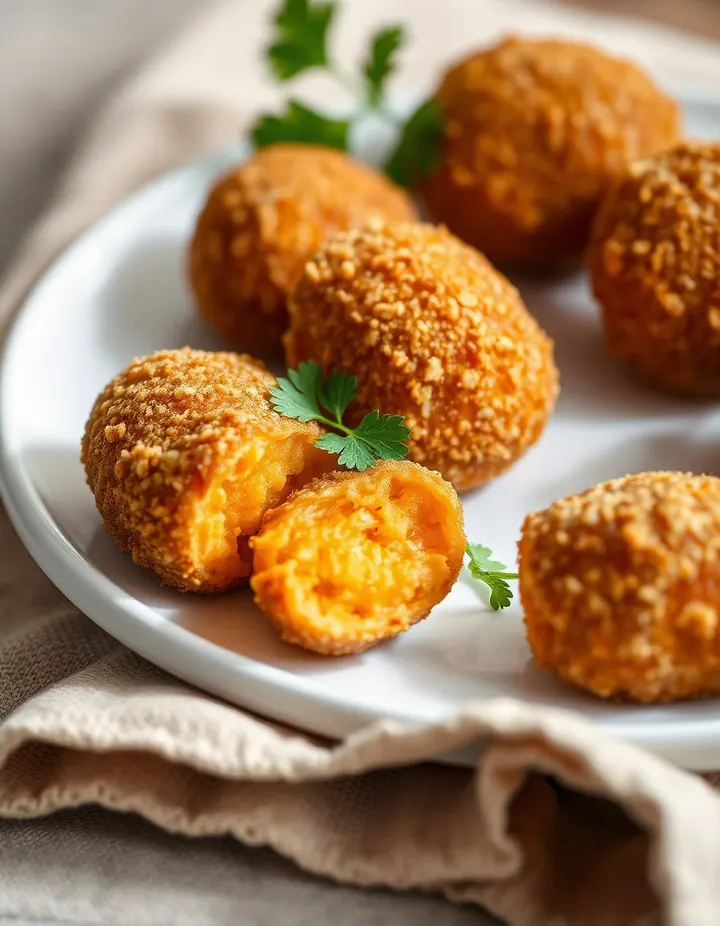 Sweet Potato Croquettes53 recipes
The free Flavor Lab newsletter: one surprising pairing a week and the molecular reason it works, in 60 seconds. No spam, unsubscribe anytime.
Prefer an account? Create a free account to save pairings and unlock the full chemistry.