Bread Made with Fleischman's Yeast
Ingredients
Directions
Make the sponge
Boil one half dozen Irish potatoes in a quart of water.
When done, mash the potatoes very finely.
Add a large teacupful of flour to the mash.
When the mixture cools, add a piece of Fleischman's quick yeast about the size of a small almond, dissolved in water.
Make this sponge at dinner time; it will rise in a few minutes.
Set it aside about one hour before supper.
Make the dough
When ready, work in enough flour to this sponge to make a soft dough.
Add a small lump of lard to the dough.
Mold the dough into any shape you desire.
Rise and bake
Let the dough rise until it is light.
Bake the bread.
Transcribed from a scanned cookbook and modernised for today's kitchens. Where the book gave no heat or time, or said "a moderate oven", the temperatures and times here may be modern equivalents rather than the book's own figures. See the original page.
Explore the science
What each ingredient does
- Flour (in the method)
- Forms the starchy structure that holds the dough together and sets when baked.
- Yeast (in the method)
- Ferments sugars in the sponge and dough, producing gas that makes the bread rise.
- Irish potatoes
- Their starch and moisture make the sponge soft and help the dough stay tender.
- Lard (in the method)
- Adds fat that tenderizes the crumb and gives a softer texture.
The step that matters
Letting the dough rise until light. Yeast needs time and warmth to produce enough gas; underproofed dough stays dense, while overproofed dough can collapse and turn flat and coarse.
“What each ingredient does” and “The step that matters” were written by Claude from this recipe’s own method and reviewed in samples by CompKitchen.
You might also like
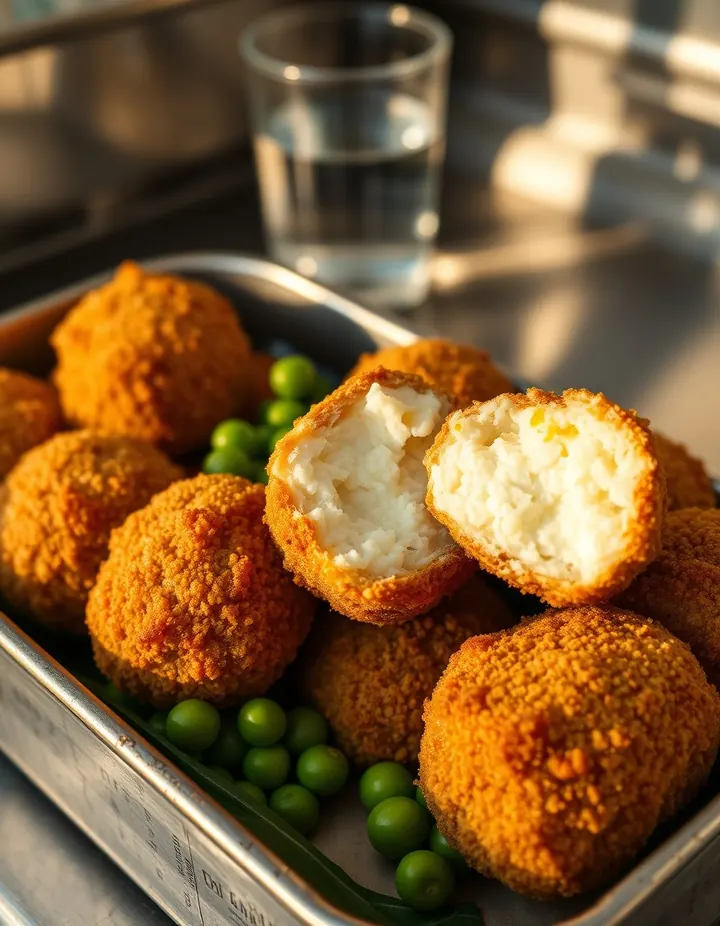 Potato Croquettes255 recipes
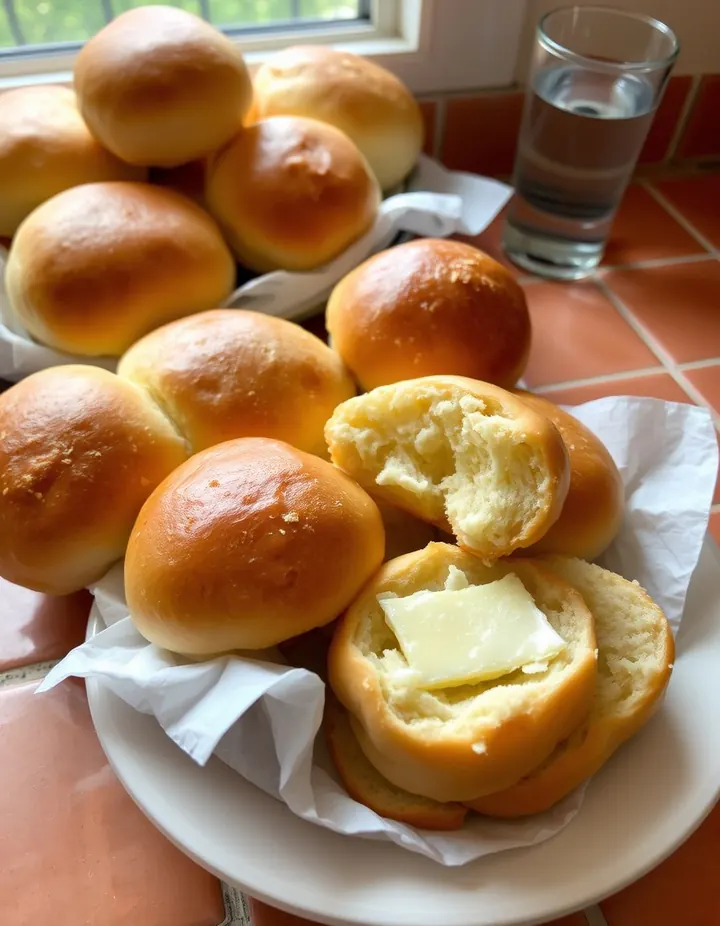 Potato Rolls78 recipes
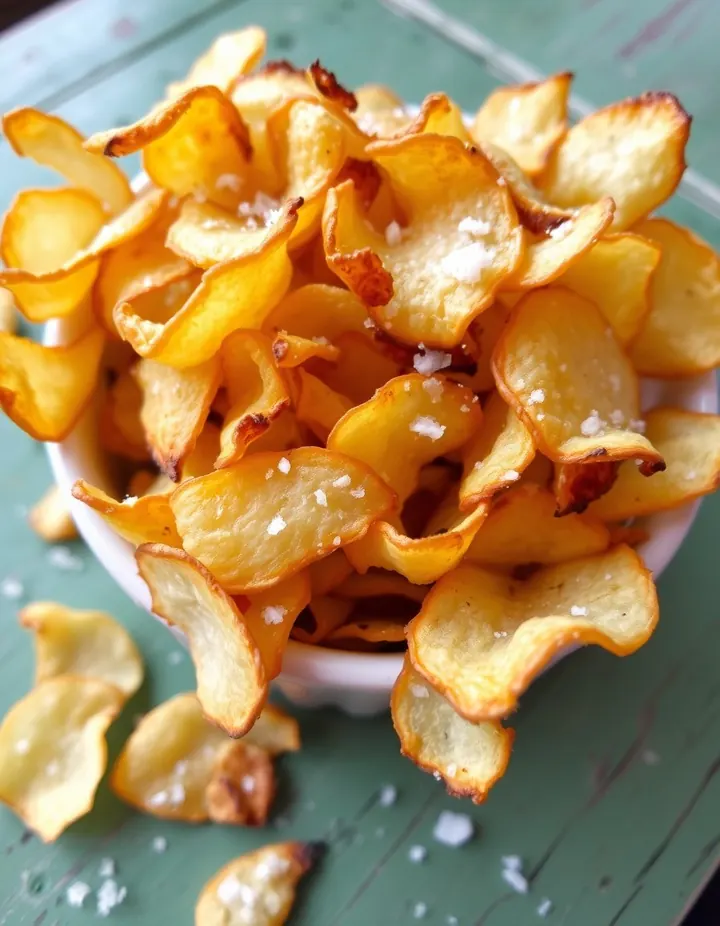 Potato Chips53 recipes
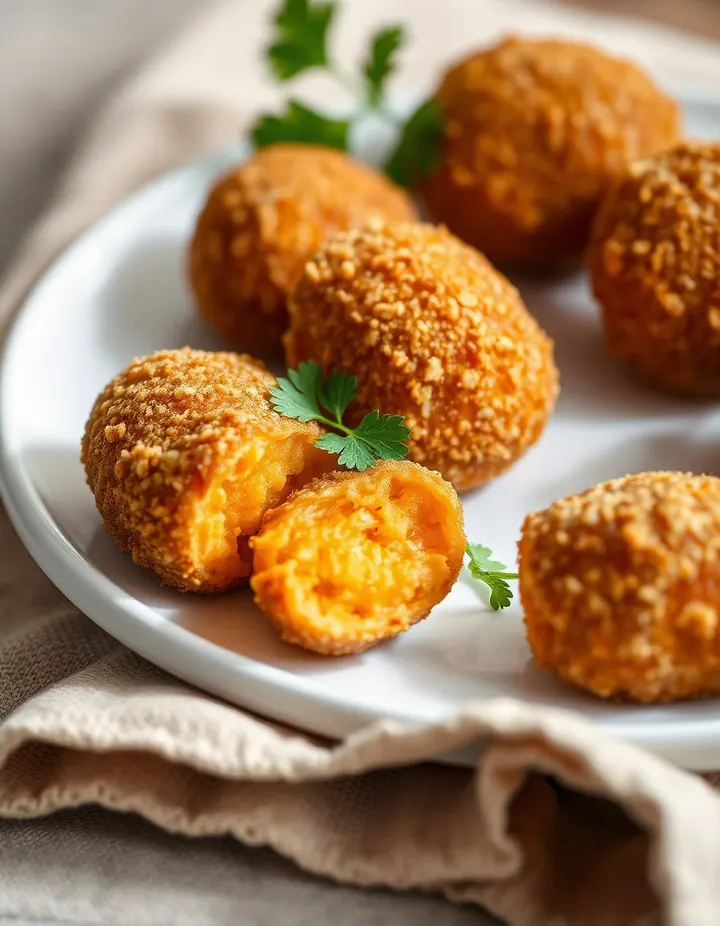 Sweet Potato Croquettes53 recipes
The free Flavor Lab newsletter: one surprising pairing a week and the molecular reason it works, in 60 seconds. No spam, unsubscribe anytime.
Prefer an account? Create a free account to save pairings and unlock the full chemistry.