Why it works: Potato and tea work together. They rank in the top 10% of all ingredient pairs, and cooks put them together in 136 recipes. Both carry beta-damascenone, which smells apple, rose. The science ↓
Salt-rising Bread
Ingredients
Directions
Make the starter
Take half a pint of warm water, a tablespoonful of meal, a fourth of a teaspoonful of salt, and five tablespoonfuls of flour.
Slice two or three pieces of raw Irish potato into the mixture.
Set the mixture to rise in tolerably warm water.
About 11 o'clock, stir a little flour into the mixture.
When it rises, take out the potato before putting the rising into the flour.
Make the dough
Take five pints of flour, three tablespoonfuls of lard, one teaspoonful of salt, and if the rising does not make it tolerably soft, add warm water.
Knead the dough well.
Shape, rise and bake
Put the dough into rolls or loaves as you like.
Have the pans well greased.
Grease the top of the bread with lard to keep it soft.
Set the bread where it will keep warm.
When it rises sufficiently, bake it.
Nutrition, whole recipe (rough)
Counts 4 of 5 ingredients. The other 1 aren't in our nutrition table and add nothing above, so the real totals are higher.
What these numbers assume: 4 portions
| Ingredient | Portion assumed | kcal |
|---|---|---|
| Flour | 1 cup (125g) all-purpose | 455 |
| Potato | 1 medium (173g) baked | 161 |
| Lard | 1 tbsp (12.8g) | 115 |
| Salt | 1 tsp (6g) | 0 |
| Water | not in our table | 0 |
One typical portion per ingredient; the recipe's quantities are not counted. A rough guide only, not for medical or dietary planning.
Transcribed from a scanned cookbook and modernised for today's kitchens. Where the book gave no heat or time, or said "a moderate oven", the temperatures and times here may be modern equivalents rather than the book's own figures. See the original page.
Explore the science
The flavor team
The pairs that carry this dish. Each one is judged two ways: how much their aromas overlap, and how often cooks already put them together.
-
Potato + teatop 10% of all pairsSmell alikemoderateCooked together136 recipes
Shared aroma: beta-damascenone (apple, rose).
-
Potato + flourtop 15% of all pairsSmell alikemoderateCooked together5,355 recipes
Shared aroma: isobutyraldehyde (malty, green).
-
Flour + teatop 25% of all pairsSmell alikelowCooked together449 recipes
Shared aroma: isobutyraldehyde (malty, green).
Ranks compare each pair with 20,000 random ingredient pairs on CompKitchen. How we score pairs
What each ingredient does
- Flour
- Forms the gluten structure that traps gas and gives the bread its body.
- Raw irish potato
- Adds moisture and starch that help the dough stay soft.
- Lard
- Adds fat that tenderises the crumb and softens the crust.
- Meal (in the method)
- Supplies starch and sugars that feed the yeast in the starter.
The step that matters
Adding warm water to the dough. Flour absorbs liquid at different rates, so the dough must be checked and softened only as needed. Too much water makes it sticky and dense, while too little leaves it stiff and tough.
Swap the potato
How well each one fits the dish's main ingredients (flour, tea):
- Arrowrootfits better
- Beetrootfits about as well
- Turnipfits about as well
- Potatothe original
Fit is the average pairing score against flour, tea. Candidates are from the same food group and used in at least 100 recipes.
“What each ingredient does” and “The step that matters” were written by Claude from this recipe’s own method and reviewed in samples by CompKitchen.
More potato bread recipes
You might also like
 Potato Croquettes255 recipes
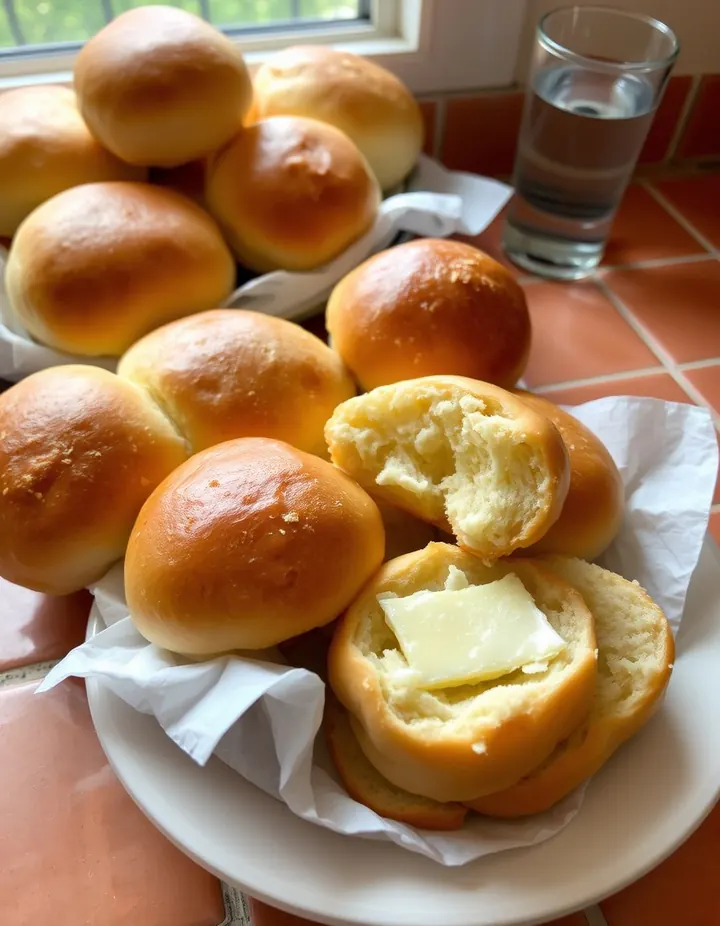 Potato Rolls78 recipes
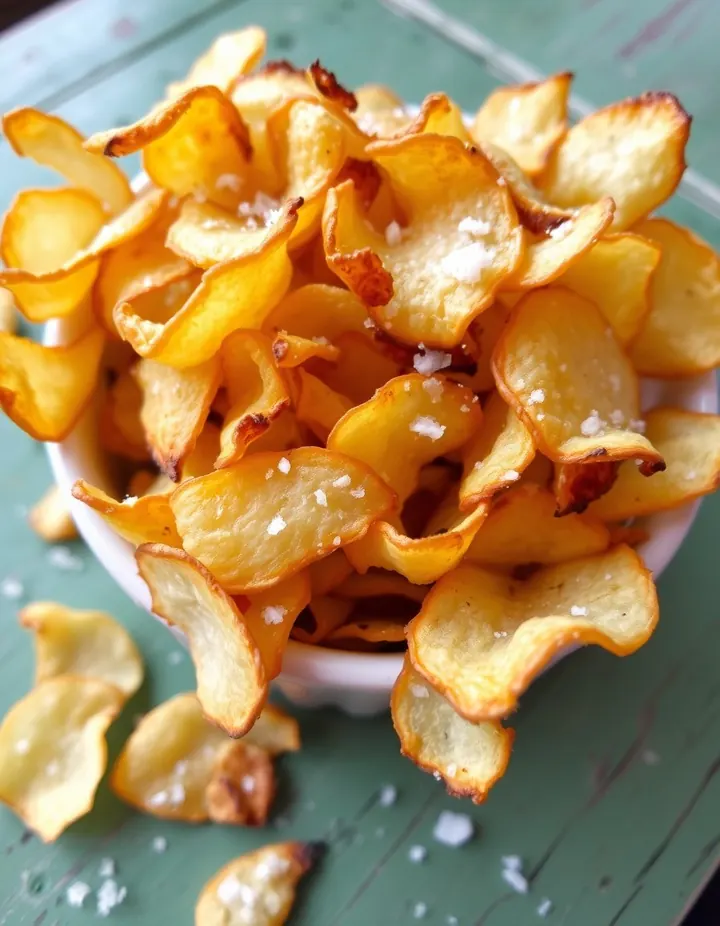 Potato Chips53 recipes
 Sweet Potato Croquettes53 recipes
The free Flavor Lab newsletter: one surprising pairing a week and the molecular reason it works, in 60 seconds. No spam, unsubscribe anytime.
Prefer an account? Create a free account to save pairings and unlock the full chemistry.