Why it works: Cider and vinegar are a kitchen classic. They rank in the top 6% of all ingredient pairs, and cooks put them together in 3,431 recipes. Both carry 4-ethyl-2-methoxyphenol, which smells smoky, clove. The science ↓
Horehound Candy
Ingredients
Directions
Make the horehound base
Boil two ounces of dried horehound herb in a pint and a half of water for about half an hour.
Strain the decoction.
Add three and one-half pounds of brown sugar to the decoction.
Boil and set
Boil over a hot fire until it reaches the requisite degree of hardness.
Pour the mixture into flat tin trays that have been well greased.
Mark the mixture into sticks or squares with a knife as it cools enough to retain its shape.
Make the molasses candy
Add one teacup of cider vinegar to one quart of molasses.
Boil until the mixture becomes hard and brittle (drops into cold water become hard).
Shape and cut
Pour into shallow platters until cool enough to handle.
Form into a large roll, then draw down to desired size and cut into sticks.
Nutrition, whole recipe (rough)
Counts 3 of 4 ingredients. The other 1 aren't in our nutrition table and add nothing above, so the real totals are higher.
What these numbers assume: 3 portions
| Ingredient | Portion assumed | kcal |
|---|---|---|
| Molasses | 1 tbsp (20g) | 58 |
| Sugar | 1 tbsp (12.5g) granulated | 49 |
| Vinegar | 1 tbsp (15ml) distilled | 3 |
| Cider | not in our table | 0 |
One typical portion per ingredient; the recipe's quantities are not counted. A rough guide only, not for medical or dietary planning.
Transcribed from a scanned cookbook and modernised for today's kitchens. Where the book gave no heat or time, or said "a moderate oven", the temperatures and times here may be modern equivalents rather than the book's own figures. See the original page.
Explore the science
The flavor team
The pairs that carry this dish. Each one is judged two ways: how much their aromas overlap, and how often cooks already put them together.
-
Cider + vinegartop 6% of all pairsSmell alikemoderateCooked together3,431 recipes
Shared aroma: 4-ethyl-2-methoxyphenol (smoky, clove).
-
Sugar + molassestop 11% of all pairsSmell alikemoderateCooked together9,225 recipes
Shared aroma: ethanol (alcoholic, ethereal).
-
Sugar + vinegartop 15% of all pairsSmell alikemoderateCooked together20,806 recipes
Shared aroma: beta-damascenone (apple, rose).
-
Molasses + cidertop 21% of all pairsSmell alikelowCooked together470 recipes
Shared aroma: ethanol (alcoholic, ethereal).
-
Molasses + vinegartop 26% of all pairsSmell alikelowCooked together1,253 recipes
Shared aroma: ethanol (alcoholic, ethereal).
Ranks compare each pair with 20,000 random ingredient pairs on CompKitchen. How we score pairs
What each ingredient does
- Dried horehound herb
- Supplies the bitter, herbal flavour that defines the candy.
- Brown sugar
- Provides sweetness and the bulk that sets into the candy.
- Molasses
- Adds depth of flavour, dark colour and a chewy body.
- Cider vinegar
- Adds acidity that helps keep the sugar from crystallising.
The step that matters
Boil until hard and brittle. The candy sets only when the sugar syrup is cooked to the hard-crack stage. Stopping early leaves a sticky candy, while overcooking scorches the sugar and turns it bitter.
“What each ingredient does” and “The step that matters” were written by Claude from this recipe’s own method and reviewed in samples by CompKitchen.
You might also like
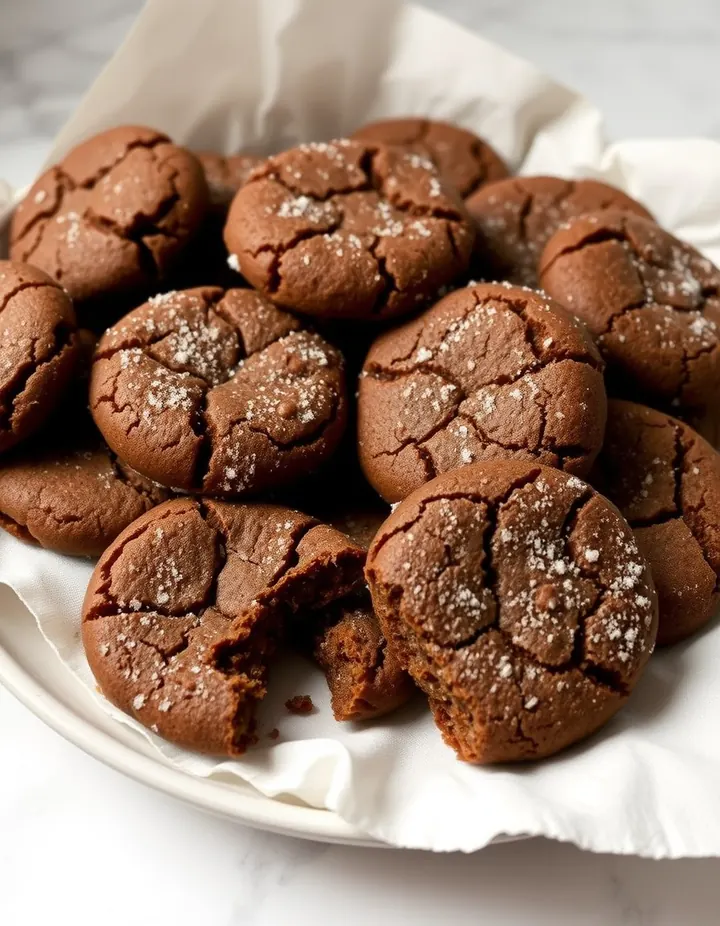 Molasses Cookies96 recipes
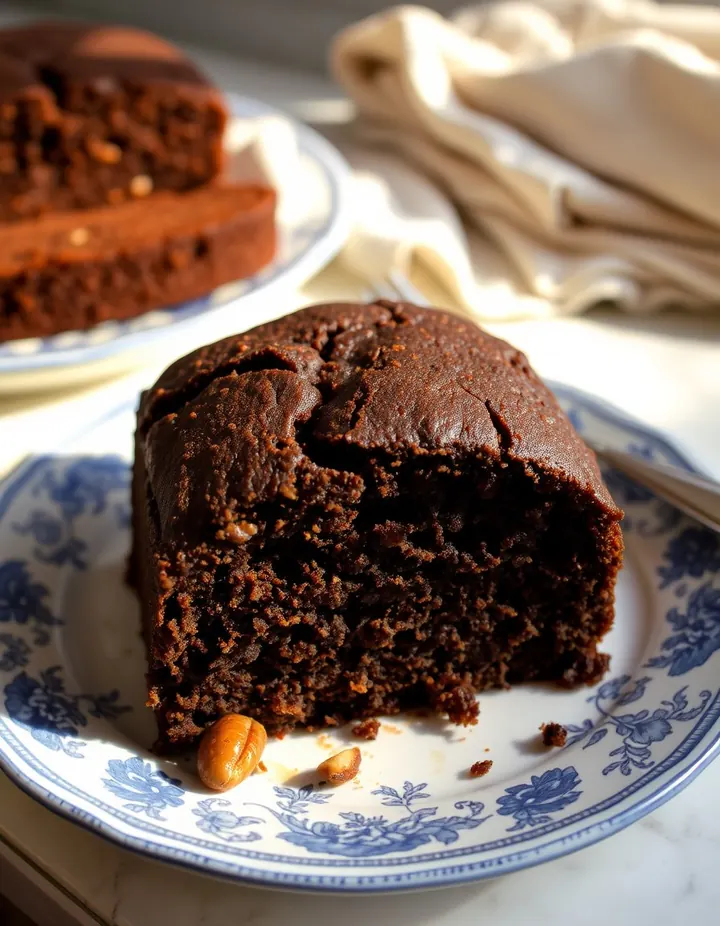 Molasses Cake90 recipes
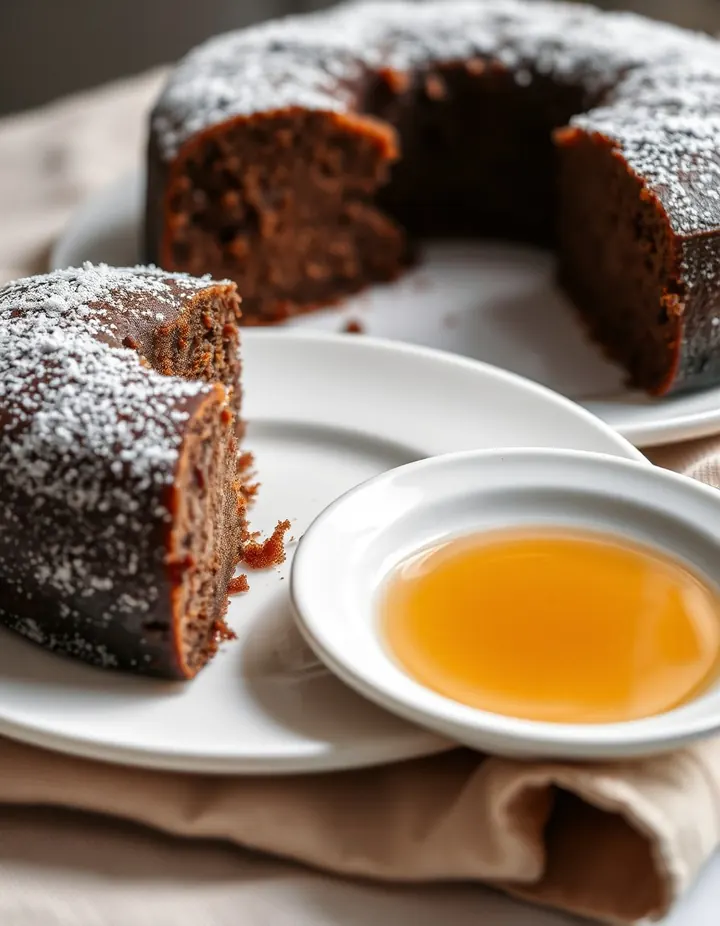 Molasses Sponge Cake9 recipes
 White Cake431 recipes
The free Flavor Lab newsletter: one surprising pairing a week and the molecular reason it works, in 60 seconds. No spam, unsubscribe anytime.
Prefer an account? Create a free account to save pairings and unlock the full chemistry.