Why it works: Potato and flour are a kitchen classic. They rank in the top 15% of all ingredient pairs, and cooks put them together in 5,355 recipes. Both carry isobutyraldehyde, which smells malty, green. The science ↓
French Rolls
Ingredients
Directions
Prepare the sponge
Peel six common-sized, mealy potatoes.
Boil the potatoes in two quarts of water.
Press and drain the potatoes and water through a colander.
When cool enough to avoid scalding, add flour to make a thick batter.
Beat the batter well.
When lukewarm, add one-half cup potato yeast.
Make the dough
Add a teaspoon salt, half cup lard, and enough flour for a soft dough to the sponge.
Mix the dough and set it in a warm, even temperature.
When risen, knead the dough down and place it again to rise, repeating this process five or six times.
Shape and bake
Cut the dough into small pieces and shape them into rolls about one inch thick by five long.
Roll the dough in melted butter or sweet lard, and place the rolls in well-greased baking pans (nine inches long by five wide and two and a half inches deep, which can hold fifteen rolls, or if twice the width, put in two rows).
Press the rolls closely together so that they are about half an inch in width.
Let the rolls rise a short time, then bake for twenty minutes in a hot oven; if the tops brown too rapidly, cover with paper.
If you want larger rolls, just before putting them in the oven, cut deeply across each one with a sharp knife to make a cleft roll, so famous among French cooks.
Nutrition, whole recipe (rough)
Counts 4 of 5 ingredients. The other 1 aren't in our nutrition table and add nothing above, so the real totals are higher.
What these numbers assume: 4 portions
| Ingredient | Portion assumed | kcal |
|---|---|---|
| Flour | 1 cup (125g) all-purpose | 455 |
| Potato | 1 medium (173g) baked | 161 |
| Lard | 1 tbsp (12.8g) | 115 |
| Salt | 1 tsp (6g) | 0 |
| Water | not in our table | 0 |
One typical portion per ingredient; the recipe's quantities are not counted. A rough guide only, not for medical or dietary planning.
Transcribed from a scanned cookbook and modernised for today's kitchens. Where the book gave no heat or time, or said "a moderate oven", the temperatures and times here may be modern equivalents rather than the book's own figures. See the original page.
Explore the science
The flavor team
The pairs that carry this dish. Each one is judged two ways: how much their aromas overlap, and how often cooks already put them together.
-
Potato + flourtop 15% of all pairsSmell alikemoderateCooked together5,355 recipes
Shared aroma: isobutyraldehyde (malty, green).
Ranks compare each pair with 20,000 random ingredient pairs on CompKitchen. How we score pairs
What each ingredient does
- Potatoes (in the method)
- Add starch and moisture that help the dough stay soft and hold gas from the rise.
- Potato yeast
- Produces carbon dioxide, making the dough rise and become light and airy.
- Flour (in the method)
- Forms the gluten network that gives the dough structure to trap gas.
- Lard
- Adds fat that tenderizes the crumb and softens the texture of the rolls.
The step that matters
Repeated rising and kneading. Each knead knocks out gas and redevelops the gluten, and the dough must be fully risen before the next knead so it stays airy rather than dense.
“What each ingredient does” and “The step that matters” were written by Claude from this recipe’s own method and reviewed in samples by CompKitchen.
More french rolls recipes
You might also like
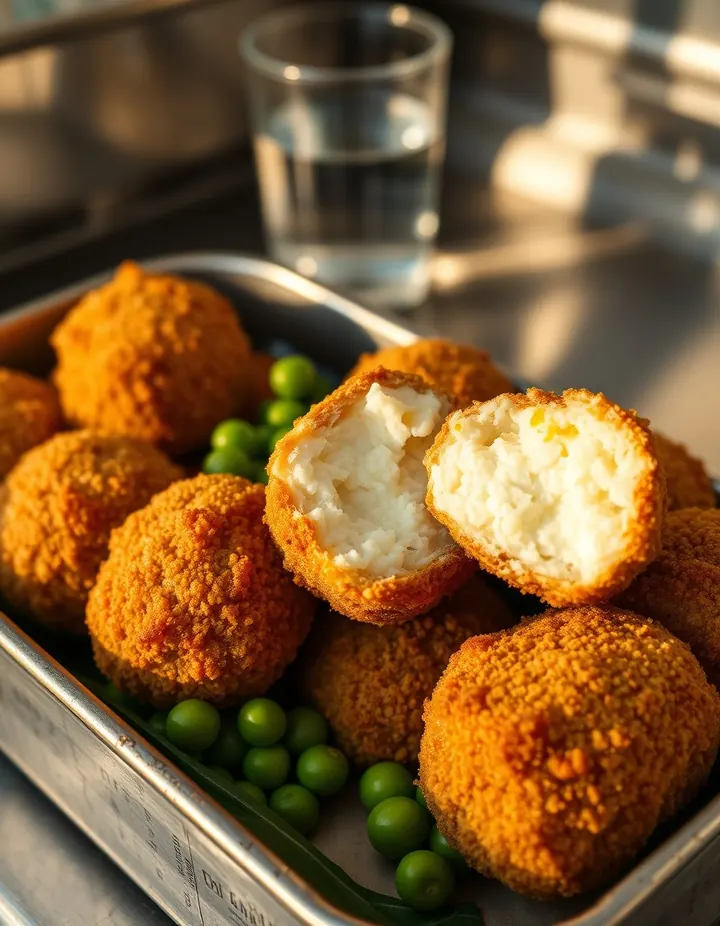 Potato Croquettes255 recipes
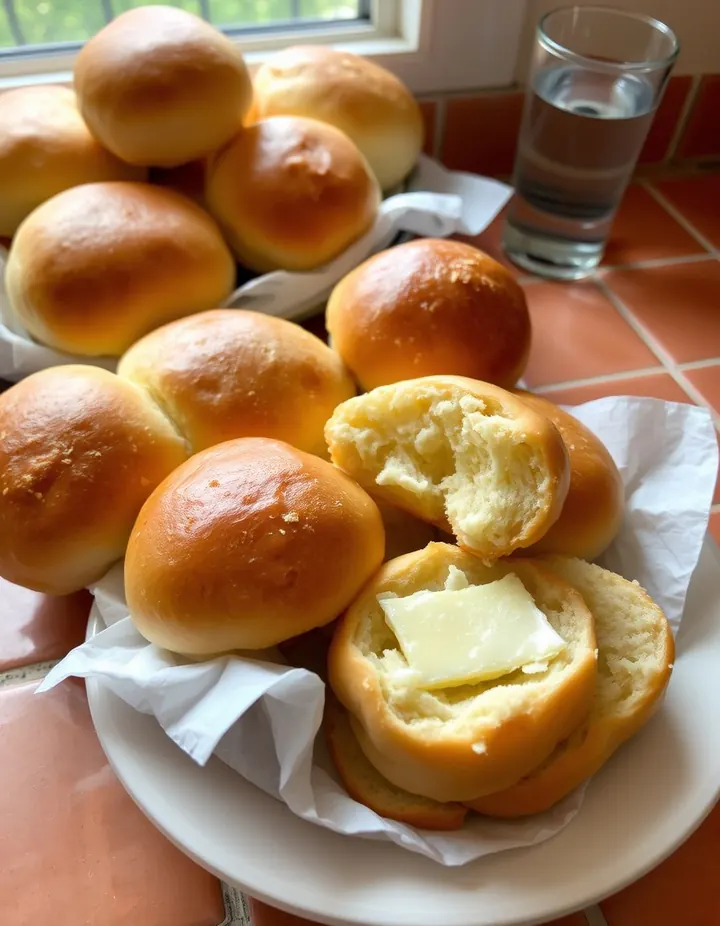 Potato Rolls78 recipes
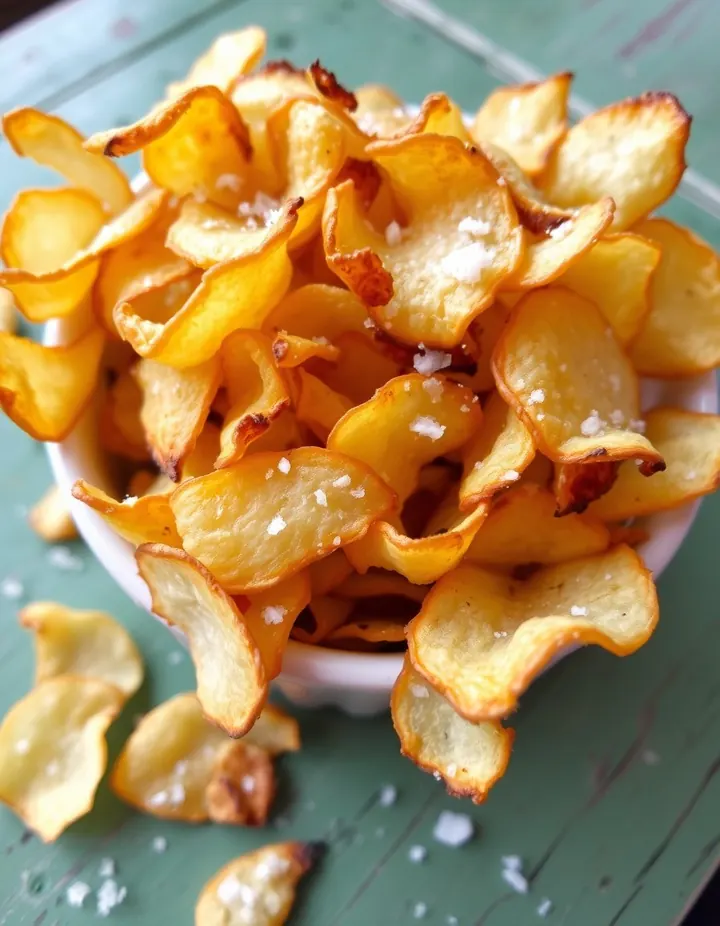 Potato Chips53 recipes
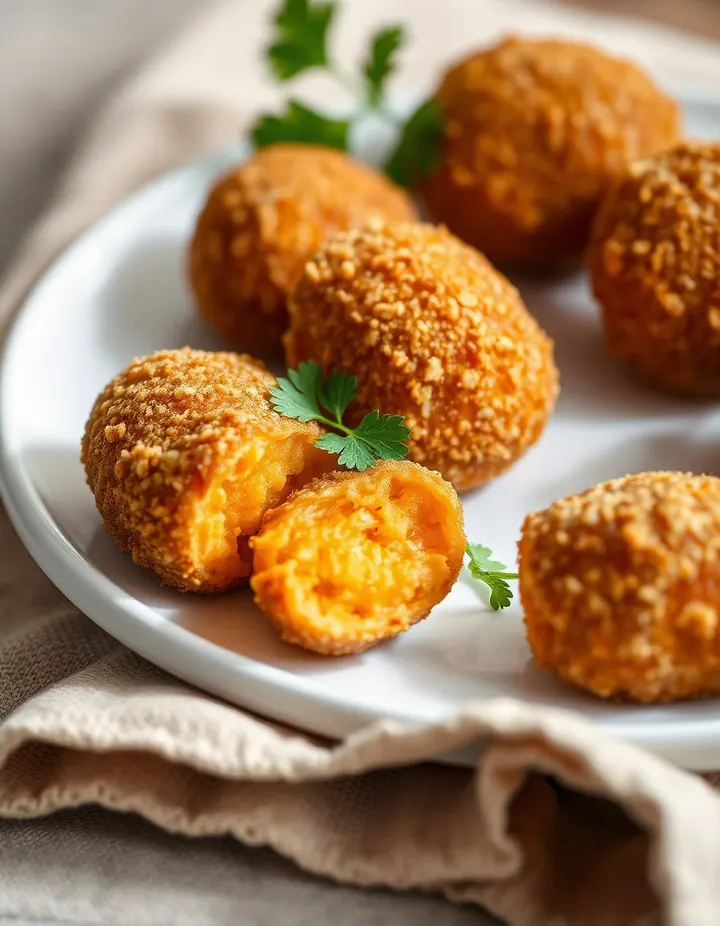 Sweet Potato Croquettes53 recipes
The free Flavor Lab newsletter: one surprising pairing a week and the molecular reason it works, in 60 seconds. No spam, unsubscribe anytime.
Prefer an account? Create a free account to save pairings and unlock the full chemistry.