Why it works: Raisin and currant are a kitchen classic. They rank in the top 10% of all ingredient pairs, and cooks put them together in 6,180 recipes. Both carry gamma-nonanolactone, which smells coconut, creamy. The science ↓
Scotch Fruit Cake
Ingredients
Directions
Prepare
Chop or seed the raisins, slice the citron thinly.
Wash and dry the currants, then flour all fruit slightly.
Make the batter
Cream the butter and sugar.
Add the sour milk gradually.
Add the beaten yolks of eggs.
While stirring in the sifted flour, fold in the well-whipped egg whites.
Flavor with lemon and vanilla extract.
Assemble and bake
In the pan, place a thin layer of batter, sprinkle some of the three kinds of fruit, then another layer of batter, and repeat, finishing with a thin layer of batter.
Bake in a moderate oven for two hours.
Nutrition, whole recipe (rough)
Counts 5 of 6 ingredients. The other 1 aren't in our nutrition table and add nothing above, so the real totals are higher.
What these numbers assume: 5 portions
| Ingredient | Portion assumed | kcal |
|---|---|---|
| Sour Milk | 1 cup (244ml) whole | 149 |
| Egg | 1 large egg (50g) | 78 |
| Grape | 1/2 cup (76g) | 62 |
| Sugar | 1 tbsp (12.5g) granulated | 49 |
| Lemon | juice of 1 lemon (48ml) | 12 |
| Fruit | not in our table | 0 |
One typical portion per ingredient; the recipe's quantities are not counted. A rough guide only, not for medical or dietary planning.
Transcribed from a scanned cookbook and modernised for today's kitchens. Where the book gave no heat or time, or said "a moderate oven", the temperatures and times here may be modern equivalents rather than the book's own figures. See the original page.
Explore the science
The flavor team
The pairs that carry this dish. Each one is judged two ways: how much their aromas overlap, and how often cooks already put them together.
-
Raisin + curranttop 10% of all pairsSmell alikelowCooked together6,180 recipes
Shared aroma: gamma-nonanolactone (coconut, creamy).
-
Raisin + sugartop 13% of all pairsSmell alikemoderateCooked together12,481 recipes
Shared aroma: beta-damascenone (apple, rose).
-
Raisin + lemontop 14% of all pairsSmell alikemoderateCooked together3,742 recipes
Shared aroma: decanal (soap, orange peel).
-
Milk + raisintop 15% of all pairsSmell alikemoderateCooked together7,155 recipes
Shared aroma: decanoic acid (acides aroma).
-
Milk + lemontop 15% of all pairsSmell alikemoderateCooked together19,053 recipes
Shared aroma: 2-nonenal (fatty, green).
Ranks compare each pair with 20,000 random ingredient pairs on CompKitchen. How we score pairs
What each ingredient does
- Eggs
- Whipped whites add lift and structure, while yolks enrich the batter and help it set.
- Sour milk
- Its acidity reacts with the soda to help the cake rise and keeps the crumb tender.
- Raisins
- Dried fruit adds sweetness, moisture and chewy texture throughout the cake.
- Currants
- Small dried fruit adds sweetness and chewy texture distributed through the batter.
- White sugar
- Sweetens the batter and helps brown the crust while creaming aerates the butter.
The step that matters
Folding in the whipped egg whites. Whites hold air that gives the cake its lift. Stirring them in vigorously or over-mixing with the flour deflates the foam, leaving a dense cake.
Swap the currant
How well each one fits the dish's main ingredients (milk, raisin, lemon, sugar, egg):
- Vanillafits better
- Figfits better
- Orangefits better
- Currantthe original
Fit is the average pairing score against milk, raisin, lemon, sugar, egg. Candidates are from the same food group and used in at least 100 recipes.
“What each ingredient does” and “The step that matters” were written by Claude from this recipe’s own method and reviewed in samples by CompKitchen.
You might also like
 Lemon Cake228 recipes
 Lemon Ice147 recipes
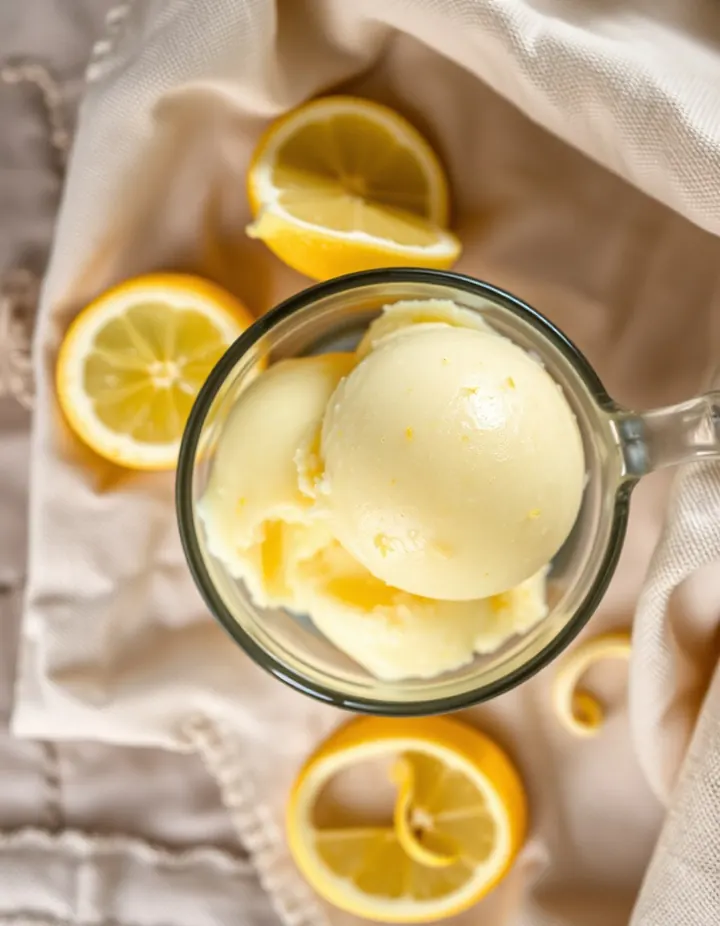 Lemon Sherbet103 recipes
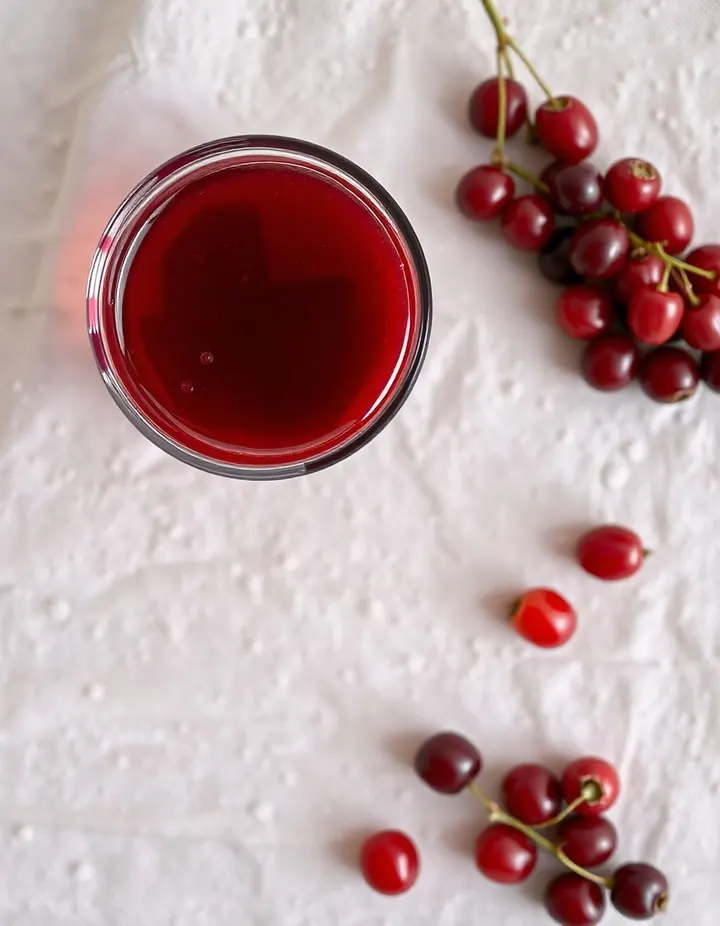 Red Currant Jelly65 recipes
The free Flavor Lab newsletter: one surprising pairing a week and the molecular reason it works, in 60 seconds. No spam, unsubscribe anytime.
Prefer an account? Create a free account to save pairings and unlock the full chemistry.