Why it works: Cinnamon and nutmeg match in chemistry and in kitchens. They rank in the top 1% of all ingredient pairs, and cooks put them together in 11,917 recipes. Both carry estragole, which smells anise, licorice. The science ↓
Crullers and Doughnuts
Ingredients
Directions
from one pound best butter and cream with scant one-half pound sugar. Dry and slightly warm two pounds flour and mix gradually with the hand with the butter and sugar. The longer it is kneaded the better it will be. Lay on molding-board and press with the hand into sheets half an inch thick. Do not roll, as rolling toughens it. Cut into any desired shapes, prick or stamp a pattern on top, and bake in moderate oven until a fine yellow brown.
Springerhes. — One pound sugar, lour eggs beaten light and thick, add pound flour into which teaspoon baking powder has been sifted and roll into little balls, press with a small glass plate or salt cellar, let stand until morning and bake in quick oven. Or, roll and cut out with any of the cookie cutters illustrated ; let rise and bake as above.
Sand Tarts. — Two cups sugar, one of butter, three of flour, two eggs,- leaving out the white of one ; roll out thin and cut in square cakes with a knife ; spread the white of egg on top, sprinkle with cinna- mon and sugar, and press a blanched almond or raisin in the center, or cut and ornament with stamps similar to those in cut
Cookia Stamps.
Crullers and DoucrlirLiits.
To cook these properly the fat should be of the right heat. When hot enough it will cease to bubble and be perfectly still, and a blue smoke will arise ; try with a bit of the batter and if the heat is right the dough will rise in a few seconds to the top and occasion a bubbling in the fat, the cake will swell and the under side quickly become brown. Clarified drippings of roast meat or the American Cooking Oil just introduced, and made of refined Cotton Seed Oil, are more wholesome to fry them in than lard. A good suet may be prepared as follows for those who are sensible enough not to like greasy dough- nuts, or who Hebraically oppose lard. Use only beef suet, which is quite as cheap, cleanly and healthy. Buy from the meat markets, speaking before-hand and securing nice, whole, clean leaves, which cut up in small pieces, put into a dinner-pot, which will hold well about ten pounds. Put in a pint of water, and after the first hour stir frequently ; it takes about three hours with a good heat to render it. Drain through a coarse towel, and if the suet is good it will require but little squeezing and leave but little scrap or cracklings. Cool in
100 CRULLERS AND DOUGHNUTS.
pans or jars, then cover and put in a cool place, and you have an ele- ment into which, when well heated, you can drop the twisted goodies with the assurance that they will not only be " done brown," but that they will emerge with a flavor and grain that will commend them to the favor of an epicure. Doughnuts thus cooked arc more digestible and of better flavor than if cooked in lard, and the most Doughnut Twuta. fastidiou& will not need to peel them before
eating. Make the dough as soft as it can he handled^ always sifting the flour ; if cut about half an inch thick, five to eight minutes will be time enough to cook, but it is better to break one open as a test. When done drain well in a skimmer and place in a colander or on brown paper, which absorbs the fat. If to be sifted over with sugar, use powdered sugar, and sprinkle over them while hot. The use of eggs prevents the dough from absorbing the fat. Doughnuts should be watched closely while frying, and the fire must be regulated very carefully. "When you have finished frying, cut a potato in slices and put in the fat to clarify it, place the kettle away until the fat " settles," strain into an earthen pot kept for this purpose, and set in a cool place. The sediment remaining in the bottom of the kettle may be used for soap-grease. Fry in an iron kettle, the common skillet being too shallow for the purpose. Do not eat doughnuts be- tween April and November. Crullers are better the day after they are made. If lard is not fresh and sweet, slice a raw potato, and fry before putting in the cakes.
Crullers. — One egg, one tablespoon melted butter, three table- spoons sugar, make very stiff' with flour, roll rather thin ; the}' will fry very quickly ; take them from the fat well drained and dip them in sugar.
Crullers. — Six tablespoons each melted butter and sugar, six eggs and floiu* to roll.
Crullers. — One pound butter, one and one-half pounds powder- ed sugar, twelve eggs, one teaspoon cinnamon, one-half teaspoon each nutmeg and mace, flour to make stift" dough. Roll to a half inch in thickness ; cut out and fry.
Crxdlers. — Two coftec-cups sugar, one of sweet milk, three eggs, a heaping tablespoon butter, three teaspoons baking powder mixed with six cups flour, half a nutmeg, and a level teaspoon cinnamon. Beat eggs, sugar and butter together, add milk, spices, and flour ; put another cup flour on molding board, turn the dough out on it,
Nutrition, whole recipe (rough)
Counts 7 of 8 ingredients. The other 1 aren't in our nutrition table and add nothing above, so the real totals are higher.
What these numbers assume: 7 portions
| Ingredient | Portion assumed | kcal |
|---|---|---|
| Flour | 1 cup (125g) all-purpose | 455 |
| Butter | 1 tbsp (14g) | 102 |
| Egg | 1 large egg (50g) | 78 |
| Sugar | 1 tbsp (12.5g) granulated | 49 |
| Nutmeg | 1 tsp ground (2.2g) | 12 |
| Cinnamon | 1 tsp ground (2.6g) | 6 |
| Salt | 1 tsp (6g) | 0 |
| Water | not in our table | 0 |
One typical portion per ingredient; the recipe's quantities are not counted. A rough guide only, not for medical or dietary planning.
Transcribed from a scanned cookbook and modernised for today's kitchens. Where the book gave no heat or time, or said "a moderate oven", the temperatures and times here may be modern equivalents rather than the book's own figures. See the original page.
Explore the science
The flavor team
The pairs that carry this dish. Each one is judged two ways: how much their aromas overlap, and how often cooks already put them together.
-
Cinnamon + nutmegtop 1% of all pairsSmell alikestrongCooked together11,917 recipes
Shared aroma: estragole (anise, licorice).
-
Flour + nutmegtop 8% of all pairsSmell alikemoderateCooked together18,623 recipes
Shared aroma: isobutyraldehyde (malty, green).
-
Flour + cinnamontop 9% of all pairsSmell alikemoderateCooked together17,341 recipes
Shared aroma: isobutyraldehyde (malty, green).
-
Sugar + cinnamontop 10% of all pairsSmell alikelowCooked together30,779 recipes
Shared aroma: guaiacol (smoky, sweet).
-
Butter + flourtop 12% of all pairsSmell alikelowCooked together124,287 recipes
Shared aroma: isobutyraldehyde (malty, green).
Sugar and cinnamon barely smell alike, yet cooks put them together in 30,779 recipes: they work on texture and structure more than aroma.
Ranks compare each pair with 20,000 random ingredient pairs on CompKitchen. How we score pairs
You might also like
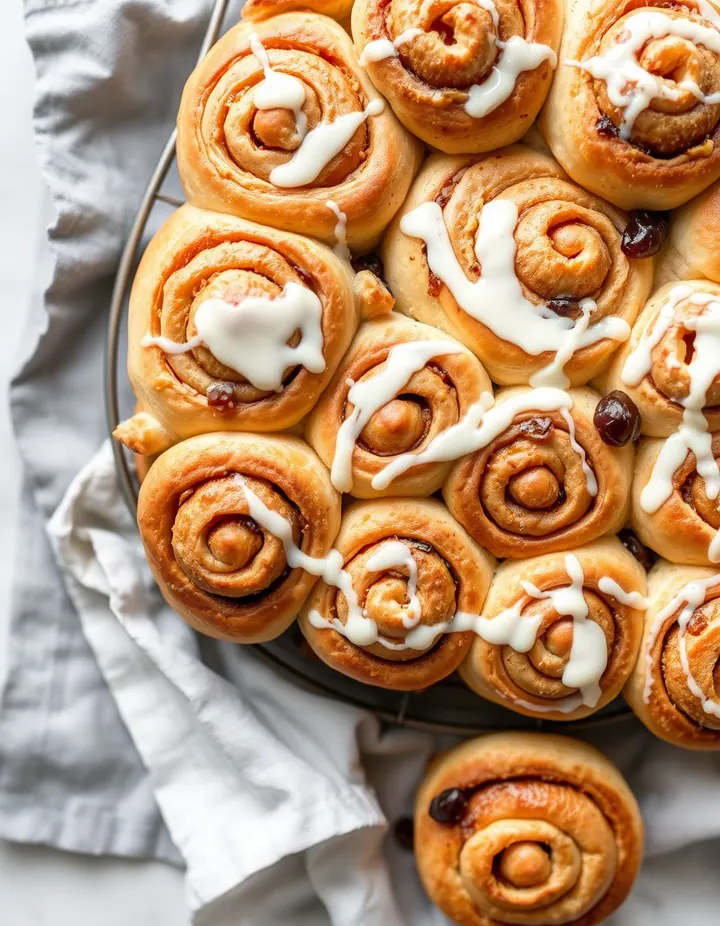 Cinnamon Rolls71 recipes
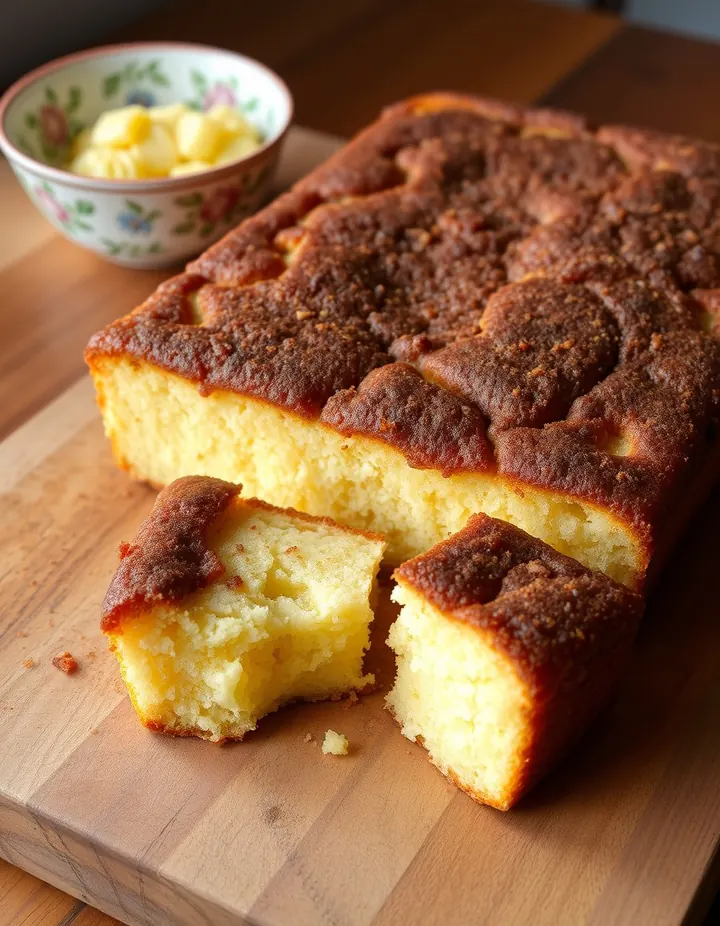 Cinnamon Cake42 recipes
 White Cake431 recipes
 Pound Cake373 recipes
The free Flavor Lab newsletter: one surprising pairing a week and the molecular reason it works, in 60 seconds. No spam, unsubscribe anytime.
Prefer an account? Create a free account to save pairings and unlock the full chemistry.