Why it works: Parsley and thyme match in chemistry and in kitchens. They rank in the top 1% of all ingredient pairs, and cooks put them together in 9,057 recipes. Both carry cuminaldehyde, which smells Spicy, cumin. The science ↓
The Dewey Cook Book
Ingredients
Directions
Prepare the tripe and stock
Wash the tripe in cold water.
Put the tripe in a kettle, cover with cold water and boil eight hours; cook the day before you want the soup.
Put the knuckle of veal in a soup kettle, cover with the water, bring slowly to a simmer, skim carefully.
Simmer gently three hours, strain, and return soup to the kettle.
Make the soup
Cut the potatoes into dice, add the chopped parsley, thyme, chopped red pepper, and bay leaf to the soup.
Cut the tripe into pieces one inch square.
Cut the meat from the knuckle into small pieces; add these also to the soup.
Place the soup on the fire, and when at boiling point, season with salt and cayenne.
Rub the butter and flour together and stir into the boiling soup.
Add dumplings and serve
Prepare dumplings: chop the suet fine, measure it, take double the quantity of flour, a quarter teaspoon of salt, mix well together, moisten with ice water (about a quarter cup). Form into tiny dumplings about the size of a marble.
Put dumplings into the soup, cook for fifteen minutes and serve.
Transcribed from a scanned cookbook and modernised for today's kitchens. Where the book gave no heat or time, or said "a moderate oven", the temperatures and times here may be modern equivalents rather than the book's own figures. See the original page.
Explore the science
The flavor team
The pairs that carry this dish. Each one is judged two ways: how much their aromas overlap, and how often cooks already put them together.
-
Parsley + thymetop 1% of all pairsSmell alikestrongCooked together9,057 recipes
Shared aroma: cuminaldehyde (Spicy, cumin).
-
Parsley + peppertop 2% of all pairsSmell alikestrongCooked together34,122 recipes
Shared aroma: 4'-methylacetophenone (bitter almond).
-
Potato + oniontop 3% of all pairsSmell alikemoderateCooked together9,023 recipes
Shared aroma: 2-isopropyl-3-methoxypyrazine (earthy, pea).
-
Thyme + peppertop 4% of all pairsSmell alikemoderateCooked together11,585 recipes
Shared aroma: beta-phellandrene (minty, terpene).
-
Potato + parsleytop 5% of all pairsSmell alikemoderateCooked together2,855 recipes
Shared aroma: 4'-methylacetophenone (bitter almond).
Ranks compare each pair with 20,000 random ingredient pairs on CompKitchen. How we score pairs
What each ingredient does
- Honeycomb tripe
- Provides the chewy, substantial texture that makes the soup a meal.
- Potatoes
- Their starch softens during cooking and adds body and mild sweetness to the broth.
- Flour
- Thickens the boiling soup as its starch swells with heat, giving a fuller body.
- Butter
- Coats the flour so it blends smoothly and adds richness and a rounder mouthfeel.
The step that matters
Stirring the butter and flour into the boiling soup. Flour dropped into hot liquid clumps unless it is first rubbed with butter and stirred in thoroughly. Its starch thickens only once the soup is hot enough to swell the granules, so the soup should be kept at a boil while stirring.
Flavor stand-ins for the onion
How well each one fits the dish's main ingredients (honey, butter, flour, potato, parsley, thyme, pepper):
- Carrotbetter flavor fit
- Shallotbetter flavor fit
- Parsnipbetter flavor fit
- Onionthe original
Fit is the average pairing score against honey, butter, flour, potato, parsley, thyme, pepper. Candidates are from the same food group and used in at least 100 recipes. This compares flavor only: it does not check the job the ingredient does in the dish (bulk, moisture, acidity, structure).
“What each ingredient does” and “The step that matters” were written by Claude from this recipe’s own method and reviewed in samples by CompKitchen.
You might also like
 Potato Croquettes255 recipes
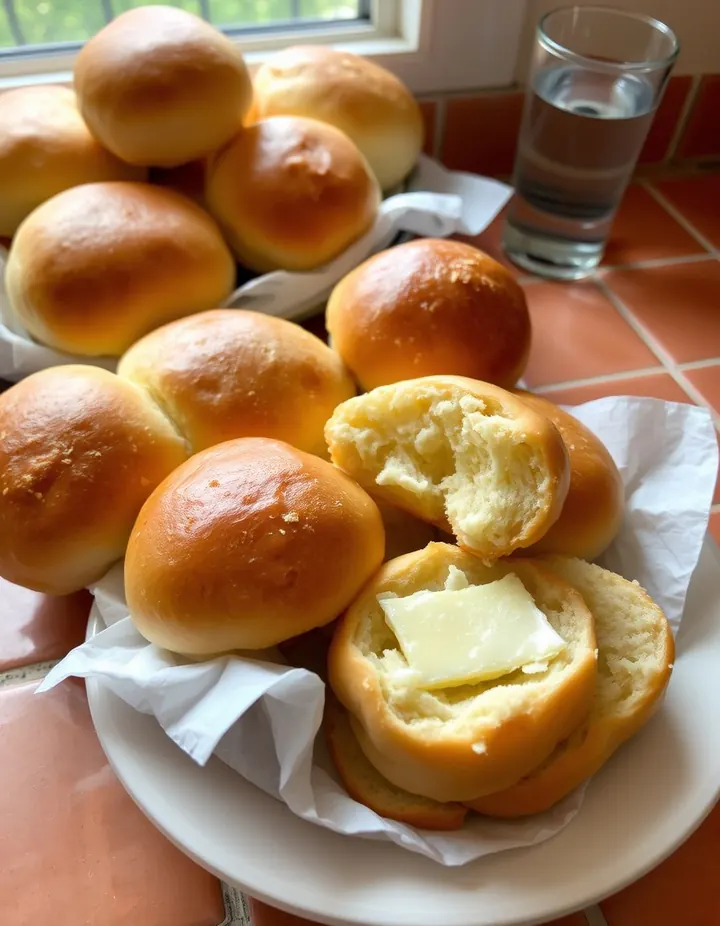 Potato Rolls78 recipes
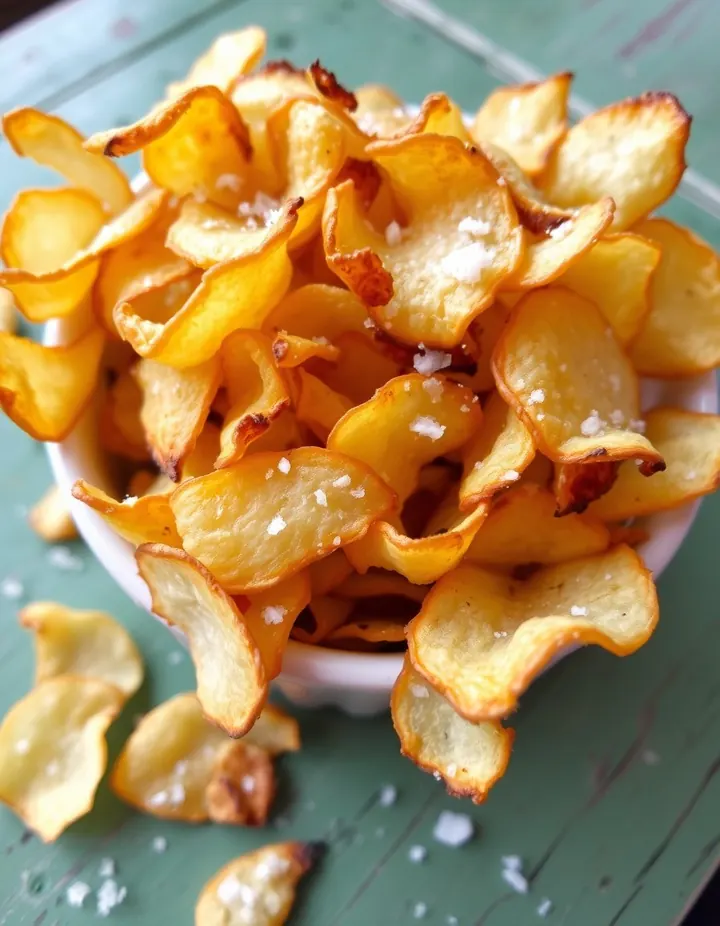 Potato Chips53 recipes
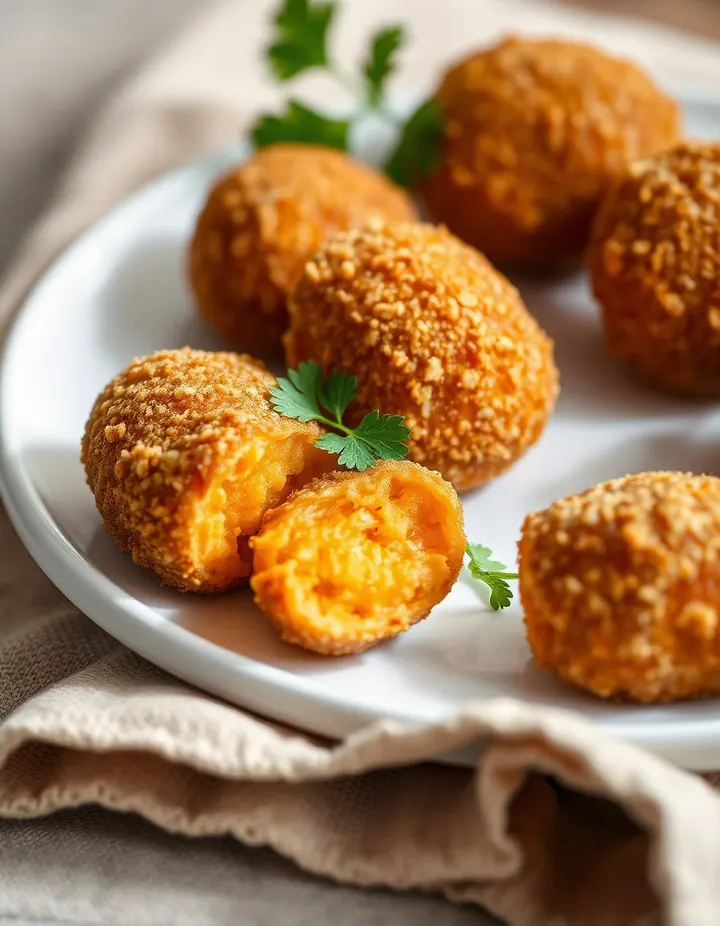 Sweet Potato Croquettes53 recipes
The free Flavor Lab newsletter: one surprising pairing a week and the molecular reason it works, in 60 seconds. No spam, unsubscribe anytime.
Prefer an account? Create a free account for sign-in; Pro adds the full results and chemistry.