Why it works: Milk and butter match in chemistry and in kitchens. They rank in the top 3% of all ingredient pairs, and 81,222 recipes mention both. Both carry (z)-4-heptenal, which smells biscuit, cream. The science ↓
The recipe
one recipe may be made to serveIngredients
Contains: egg, milk, wheat (auto-detected from the ingredients and method; we can miss things, so check labels)
Directions
Make the custard
Make a soft boiled custard using a pint of milk, the yolks of two eggs, two tablespoons sugar, and a teaspoon of corn starch.
Slice two oranges and line the bottom of the pudding dish with them.
Flavor the custard with the juice or grated yellow peel of one orange, avoiding the bitter white skin.
Turn the custard over the orange.
Bake ten or fifteen minutes.
Beat the whites of the two eggs with a tablespoon of sugar.
Spread the meringue on the top when the pudding is baked, and let it brown slightly.
Make the apple pudding
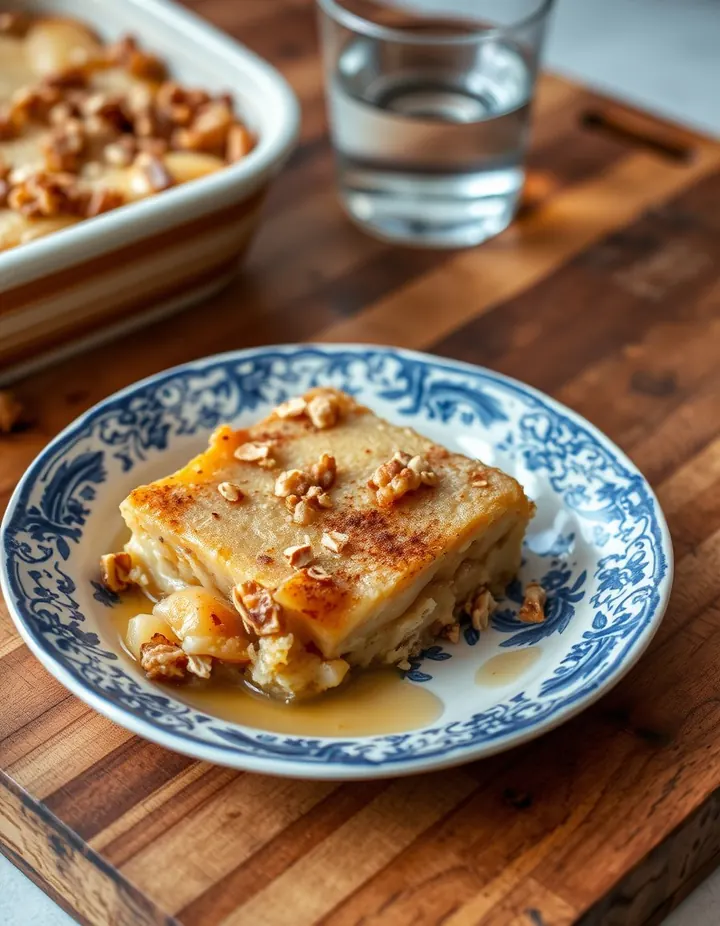
For another pudding, slice four apples and let them simmer in the oven with a little water till tender.
Make a custard in the same way, pour it over the apples, and flavor with lemon.
Put half a can of strawberries, peaches, or pineapple in the pudding, varying it according to the fruit.
Use the remaining fruit in the can for a corn starch pudding made according to the package recipe, adding the fruit while it boils.
Serve the corn starch pudding hot or cold, with cream and sugar or a sauce.
Make the sauces and creams
For a berry sauce, rub a cup of sugar and half a cup of butter to a cream, flavor with a teaspoon of lemon and vanilla and two teaspoons vinegar.
Pour a teacup of boiling-hot berry juice upon the mixture.
For a sauce for a boiled pudding or roly-poly, use a cup of juice from stewed prunes in the same recipe.
Use half a can of fruit for a roly-poly.
For coffee cream, dissolve half a package of gelatine in a cup of cold water standing ten minutes, then pour on a cup of boiling water, stirring until thoroughly dissolved.
Add a cup of cream or milk, two tablespoons sugar, and a cup of cold boiled coffee.
Eat cold, with cream and sugar.
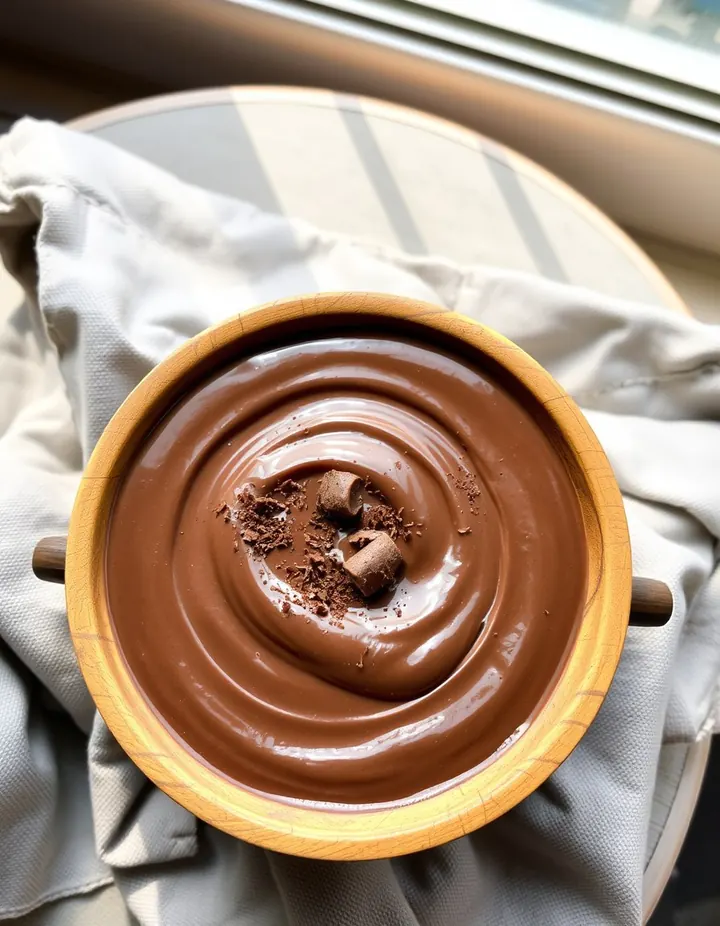
For chocolate cream, make in the same way but add a cup of grated chocolate boiled in a pint of milk instead of coffee.
For orange cream, add the juice and grated peel of one orange and the yolks of two eggs.
For pineapple cream, add a few slices of pineapple, a cup of juice, and the yolks of two eggs.
In making custards, dip out a little scalding milk and pour slowly over the beaten eggs, stirring briskly.
Pour the egg mixture slowly into the boiling milk, stirring constantly until done.
Pare pineapple and cut into small pieces, fill the dish one-third full, then grate cocoanut over each layer with sugar until the dish is full.
Prepare several hours before using; orange may be substituted for pineapple.
Bake apples, then scrape out the pulp.
Mix the pulp with the sugar and lemon.
When quite cold, add the whites of the eggs and beat all well together for at least half an hour.
Make a custard of one quart milk, yolks of 3 eggs, one teaspoon corn starch, sweetened to taste, and flavored with vanilla.
Serve the custard with spoonfuls of the float.
Transcribed from a scanned cookbook and modernised for today's kitchens. Where the book gave no heat or time, or said "a moderate oven", the temperatures and times here may be modern equivalents rather than the book's own figures. See the original page.
Found this recipe through an AI assistant? CompKitchen also shows which ingredients go well together and why, from the aroma molecules they share and how often recipes combine them. Try the pairing tools.
Explore the science
The flavor team
The pairs that carry this dish. Each one is judged two ways: how much aroma chemistry they share, and how many recipes mention both.
-
Milk + buttertop 3% of all pairsAroma overlapstrongMentioned together81,222 recipes
Shared aroma: (z)-4-heptenal (biscuit, cream).
-
Coffee + chocolatetop 2% of all pairsAroma overlapstrongMentioned together1,497 recipes
Shared aroma: 2,3-butanedione (buttery, creamy).
-
Butter + creamtop 3% of all pairsAroma overlapstrongMentioned together41,494 recipes
Shared aroma: delta-dodecalactone (sweet, creamy).
-
Milk + coffeetop 4% of all pairsAroma overlapstrongMentioned together2,201 recipes
Shared aroma: 4-heptenal (creamy, biscuit).
-
Cream + chocolatetop 5% of all pairsAroma overlapmoderateMentioned together5,463 recipes
Shared aroma: delta-decalactone (sweet, creamy).
Ranks compare each pair with 20,000 random ingredient pairs on CompKitchen. How we score pairs
What each ingredient does
- Eggs
- Yolks thicken the custard and whites form the meringue topping, which sets and browns.
- Milk
- Forms the body of the custard, which thickens as the egg proteins set when heated.
- Sugar
- Sweetens the custard and meringue and helps the whites hold their structure.
- Corn starch
- Thickens the custard and pudding by swelling in hot liquid.
- Apples
- Soften when simmered and give the pudding its fruity base.
The step that matters
Adding the egg mixture to hot milk. Pouring the eggs in slowly while stirring briskly keeps them from scrambling. Egg proteins set quickly at high heat, so a fast pour can leave lumps and a grainy custard.
“What each ingredient does” and “The step that matters” were written by Claude, an AI, from this recipe’s own method. They are not checked recipe by recipe, so they can be wrong.
Make it your own
Stand-ins, a drink, and quick taste fixes for this dish, ranked by how well each fits its other ingredients: shared aroma molecules and how often recipes combine them.
You might also like
 Illustration
 Illustration
 Illustration
 Illustration
The Sunday pairing: one pairing, the chemistry behind it, and how to cook it. No spam, unsubscribe anytime.
Prefer an account? Create a free account for sign-in; Pro adds the full results and chemistry.