Why it works: Milk and oyster match in chemistry and in kitchens. They rank in the top 10% of all ingredient pairs, and 2,929 recipes mention both. Both carry (z)-4-heptenal, which smells biscuit, cream. The science ↓
The recipe
Ingredients
Contains: egg, milk, wheat, shellfish (auto-detected from the ingredients and method; we can miss things, so check labels)
Also mentioned in the method: egg, flour
Directions
Prepare the roots
Select fresh and unshriveled roots.
Wash and scrape them well.
Drop them into cold water as soon as cleaned to prevent discoloration.
If the roots are covered with cold water for a half hour or more before scraping, they can be cleaned much easier.
Use a porcelain-lined kettle for cooking, as an iron one will discolor it and injure its flavor.
Cook for twenty minutes to one hour, according to age, until tender.
Make the oyster and crumb bake
Boil two quarts of sliced vegetable oysters in about two quarts of water until very tender. Skim them out.
Fill a pudding dish with alternate layers of crumbs and oysters, having a layer of crumbs for the top.
To the water in which they were boiled, add a pint and a half of thin cream, salt to taste, and boil up. Thicken with a heaping tablespoonful or two of flour rubbed smooth in a little cold cream.
Pour this over the oysters and crumbs, and bake for a half hour. If this is not enough to cover well, add more cream or milk.
Cook the salsify and serve
Wash, scrape, and cut into slices not more than one half inch in thickness.
Put into a small quantity of boiling water and cook until tender.
When tender, pour in a cup of rich milk and simmer for five or ten minutes. Add a little flour rubbed smooth in milk, and salt if desired. Boil up once.
Serve as a vegetable or on slices of nicely browned toast. If preferred, a well-beaten egg may be used in place of flour.
Transcribed from a scanned cookbook and modernised for today's kitchens. Where the book gave no heat or time, or said "a moderate oven", the temperatures and times here may be modern equivalents rather than the book's own figures. See the original page.
Explore the science
The flavor team
The pairs that carry this dish. Each one is judged two ways: how much aroma chemistry they share, and how many recipes mention both.
-
Milk + oystertop 10% of all pairsAroma overlapstrongMentioned together2,929 recipes
Shared aroma: (z)-4-heptenal (biscuit, cream).
Ranks compare each pair with 20,000 random ingredient pairs on CompKitchen. How we score pairs
What each ingredient does
- Vegetable oysters
- Provide the main tender body and delicate flavor of the dish.
- Cream (in the method)
- Adds richness and moisture, forming the body of the sauce.
- Flour (in the method)
- Thickens the cream sauce so it coats the oysters and crumbs.
- Milk
- Adds moisture and mild richness to the sauce.
The step that matters
Thicken the sauce smoothly. Flour must be rubbed smooth in cold cream before adding to hot liquid; otherwise it clumps instead of thickening evenly, leaving lumps in the sauce.
“What each ingredient does” and “The step that matters” were written by Claude from this recipe’s own method and reviewed in samples by CompKitchen.
More salsify recipes
You might also like
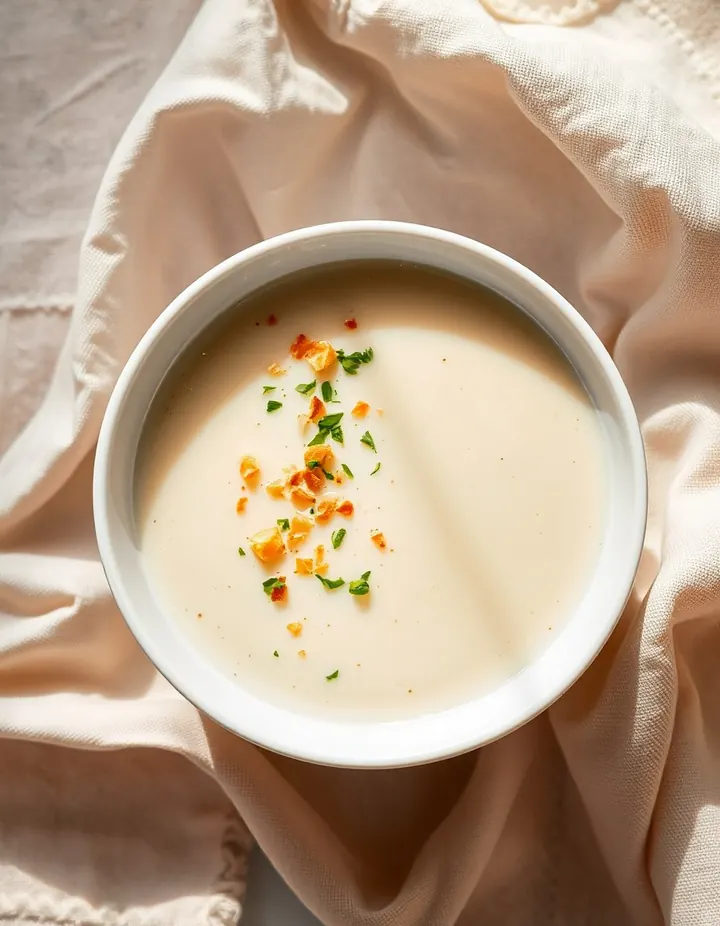 Illustration
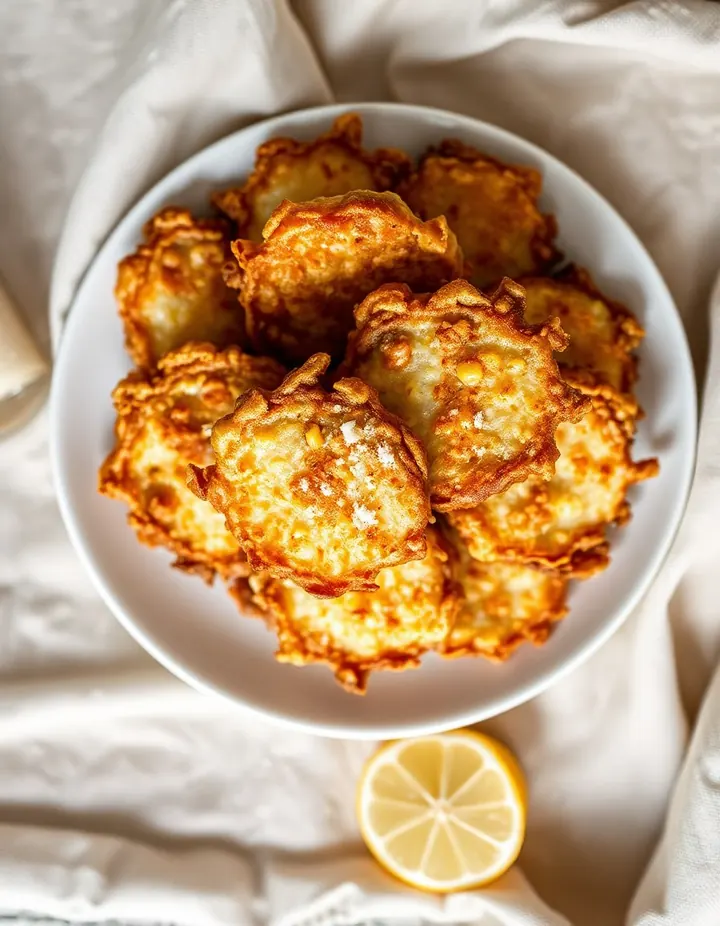 Illustration
 Illustration
 Illustration
The Sunday pairing: one pairing, the chemistry behind it, and how to cook it. No spam, unsubscribe anytime.
Prefer an account? Create a free account for sign-in; Pro adds the full results and chemistry.