Why it works: Almond and walnut match in chemistry and in kitchens. They rank in the top 2% of all ingredient pairs, and cooks put them together in 993 recipes. Both carry 2,4-decadienal, which smells seaweed. The science ↓
Candy Roley Poley
Ingredients
Directions
Prepare the fruit and nuts
Take half a pint of citron, half a pint of raisins, half a pound of figs, a quarter of a pound of shelled almonds, and one pint of peanuts before they are hulled.
Cut up the citron.
Stone the raisins.
Blanch the almonds.
Hull the peanuts.
Cut up the figs into small bits.
Make the candy
Take two pounds of coffee-sugar and moisten with vinegar.
Put in a piece of butter as large as a walnut.
Stew the mixture until it hardens, but take it off before it gets to the brittle stage.
Beat it with a spoon six or eight times.
Stir in the mixed fruits and nuts.
Shape and serve
Pour into a wet cloth and roll it up like a pudding, twisting the ends of the cloth to mold it.
Let it get cold.
Slice off pieces as desired for eating.
Nutrition, whole recipe (rough)
What these numbers assume: 6 portions
| Ingredient | Portion assumed | kcal |
|---|---|---|
| Peanut | 1 oz (28g) | 161 |
| Butter | 1 tbsp (14g) | 102 |
| Grape | 1/2 cup (76g) | 62 |
| Fig | 1 medium (50g) | 37 |
| Walnut | 1 walnut half (4g) | 26 |
| Almond | 1 almond (1.2g) | 7 |
One typical portion per ingredient; the recipe's quantities are not counted. A rough guide only, not for medical or dietary planning.
Transcribed from a scanned cookbook and modernised for today's kitchens. Where the book gave no heat or time, or said "a moderate oven", the temperatures and times here may be modern equivalents rather than the book's own figures. See the original page.
Explore the science
The flavor team
The pairs that carry this dish. Each one is judged two ways: how much their aromas overlap, and how often cooks already put them together.
-
Almond + walnuttop 2% of all pairsSmell alikestrongCooked together993 recipes
Shared aroma: 2,4-decadienal (seaweed).
-
Raisin + almondtop 2% of all pairsSmell alikemoderateCooked together1,781 recipes
Shared aroma: 2-nonanone (fruity, floral).
-
Fig + almondtop 3% of all pairsSmell alikestrongCooked together519 recipes
Shared aroma: alpha-pinene (pine, turpentine).
-
Fig + walnuttop 4% of all pairsSmell alikestrongCooked together373 recipes
Shared aroma: 2-hexenal (green, leafy).
-
Peanut + almondtop 5% of all pairsSmell alikestrongCooked together305 recipes
Shared aroma: acetylpyrazine (roast).
Ranks compare each pair with 20,000 random ingredient pairs on CompKitchen. How we score pairs
What each ingredient does
- Coffee-sugar
- Sets as it stews, forming the firm, chewy body of the candy.
- Butter
- Adds fat that softens the candy and gives it a smoother bite.
- Peanuts
- Add crunch and a roasted nut flavor throughout the candy.
- Almonds
- Add crunch and a mild, nutty flavor.
- Raisins
- Add chewy texture and concentrated sweetness.
- Figs
- Add soft chewiness and natural sweetness.
The step that matters
Stop stewing before the brittle stage. Sugar cooked too far turns hard and brittle, while sugar cooked too little stays soft and will not set firmly enough to slice.
Swap the peanut
How well each one fits the dish's main ingredients (coffee, sugar, raisin, fig, almond, butter, walnut):
- Pistachiofits better
- Hazelnutfits better
- Chestnutfits better
- Peanutthe original
Fit is the average pairing score against coffee, sugar, raisin, fig, almond, butter, walnut. Candidates are from the same food group and used in at least 100 recipes.
“What each ingredient does” and “The step that matters” were written by Claude from this recipe’s own method and reviewed in samples by CompKitchen.
You might also like
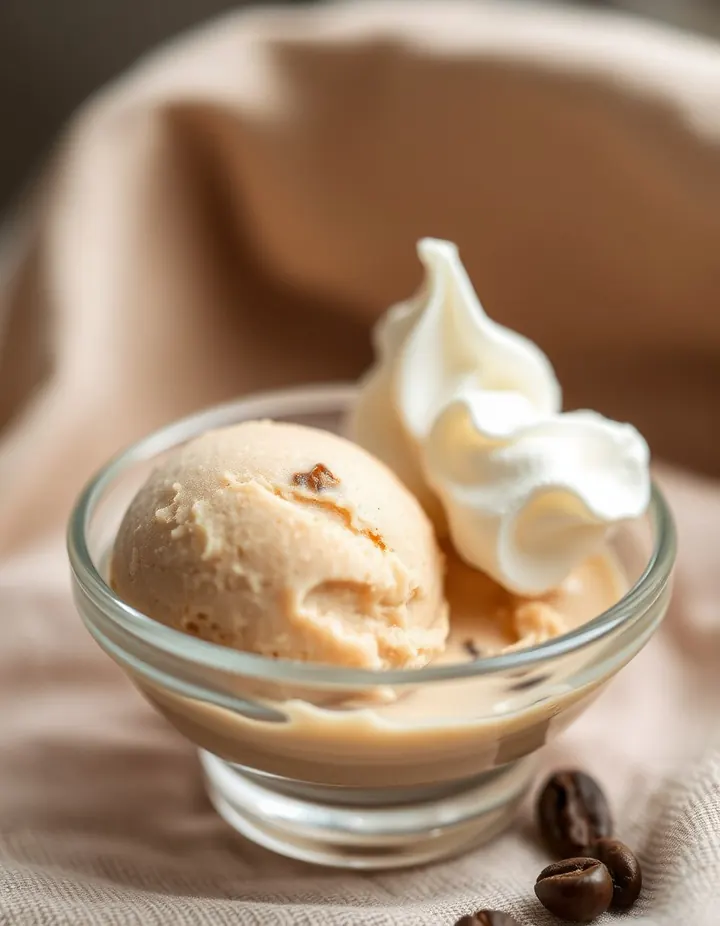 Coffee Ice Cream91 recipes
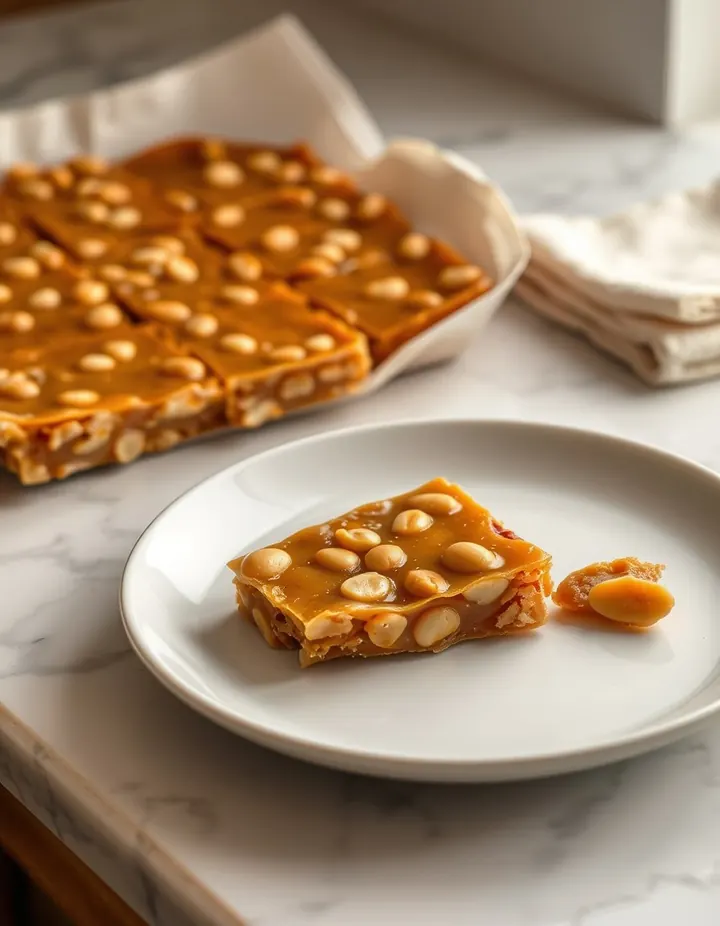 Peanut Candy82 recipes
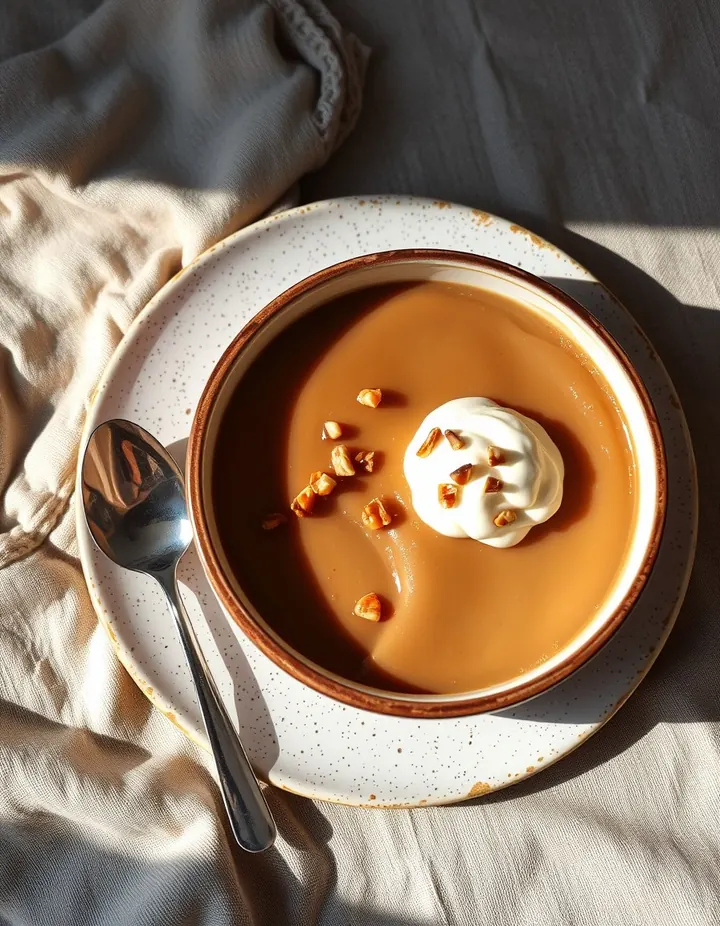 Coffee Custard27 recipes
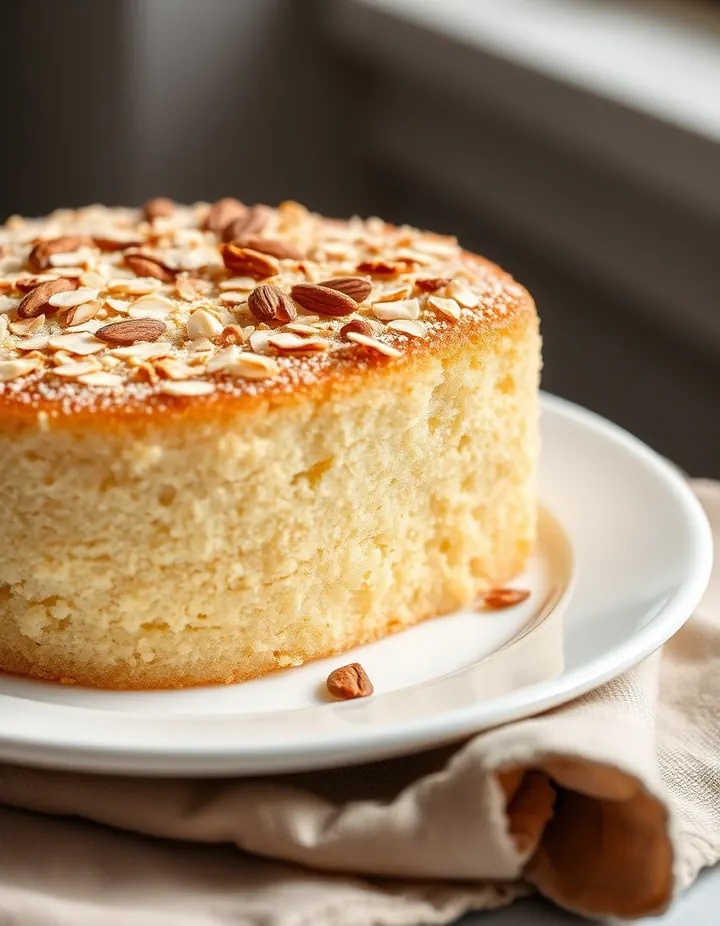 Almond Sponge Cake26 recipes
The free Flavor Lab newsletter: one surprising pairing a week and the molecular reason it works, in 60 seconds. No spam, unsubscribe anytime.
Prefer an account? Create a free account to save pairings and unlock the full chemistry.