Why it works: Milk and butter are a kitchen classic. They rank in the top 7% of all ingredient pairs, and cooks put them together in 81,283 recipes. Both carry (z)-4-heptenal, which smells biscuit, cream. The science ↓
Epicurean Rolls
Ingredients
Directions
Prepare the potato and dough
Boil several potatoes until tender, then press or grate them.
Measure one cupful of the potato, one tablespoonful of sugar, half a yeast cake dissolved in half a cup of tepid water, half a pint of milk, half a cup of butter, one egg beaten separately, half a teaspoonful of salt, and enough flour to make a soft dough.
Mix the ingredients to form a soft dough.
Set the dough to rise at night.
Make the sponge
In the morning, pour a third of a cup of boiling water over the potato mixture, add salt and sugar, and beat smooth.
When the mixture is tepid, add the yeast, cover, and set aside to rise.
Bring the milk to a boil, melt the butter in it, then when cool enough add the beaten yolk and stir into the potato sponge.
Beat the egg white to a stiff froth and add to the other ingredients, with enough flour to make a soft dough.
Shape and bake
Knead well and let rise again.
When the dough is very light, roll it out about half an inch thick.
Cut with a round biscuit cutter, prick the rolls with a fork, place in pans, let rise briefly, then bake for 15–20 minutes.
Transcribed from a scanned cookbook and modernised for today's kitchens. Where the book gave no heat or time, or said "a moderate oven", the temperatures and times here may be modern equivalents rather than the book's own figures. See the original page.
Explore the science
The flavor team
The pairs that carry this dish. Each one is judged two ways: how much their aromas overlap, and how often cooks already put them together.
-
Milk + buttertop 7% of all pairsSmell alikemoderateCooked together81,283 recipes
Shared aroma: (z)-4-heptenal (biscuit, cream).
-
Milk + potatotop 9% of all pairsSmell alikemoderateCooked together3,611 recipes
Shared aroma: (e,z)-2,6-nonadienal (cucumber, melon).
-
Butter + potatotop 13% of all pairsSmell alikemoderateCooked together6,456 recipes
Shared aroma: (z)-4-heptenal (biscuit, cream).
-
Butter + eggtop 17% of all pairsSmell alikemoderateCooked together118,967 recipes
Shared aroma: decanal (soap, orange peel).
-
Sugar + buttertop 17% of all pairsSmell alikemoderateCooked together98,233 recipes
Shared aroma: guaiacol (smoky, sweet).
Ranks compare each pair with 20,000 random ingredient pairs on CompKitchen. How we score pairs
What each ingredient does
- Potatoes (in the method)
- Add moisture and starch that keep the rolls soft and tender.
- Yeast (in the method)
- Produces gas that makes the dough rise and become light.
- Butter
- Adds fat that tenderises the crumb and softens the texture.
- Milk
- Adds moisture and richness, helping browning and a soft crumb.
- Egg
- Adds structure and richness, with the whipped white lightening the dough.
- Sugar
- Feeds the yeast and adds sweetness and gentle browning.
The step that matters
Let the dough rise fully before shaping. Yeast needs time to build gas and structure; rolling or baking before the dough is very light produces dense rolls.
Flavor stand-ins for the potato
How well each one fits the dish's main ingredients (sugar, milk, butter, egg):
- Potatothe original
- Sweet potatoabout as good a flavor fit
- Asparagusabout as good a flavor fit
- Capsicumabout as good a flavor fit
Fit is the average pairing score against sugar, milk, butter, egg. Candidates are from the same food group and used in at least 100 recipes. This compares flavor only: it does not check the job the ingredient does in the dish (bulk, moisture, acidity, structure).
“What each ingredient does” and “The step that matters” were written by Claude from this recipe’s own method and reviewed in samples by CompKitchen.
More potato rolls recipes
You might also like
 Potato Croquettes255 recipes
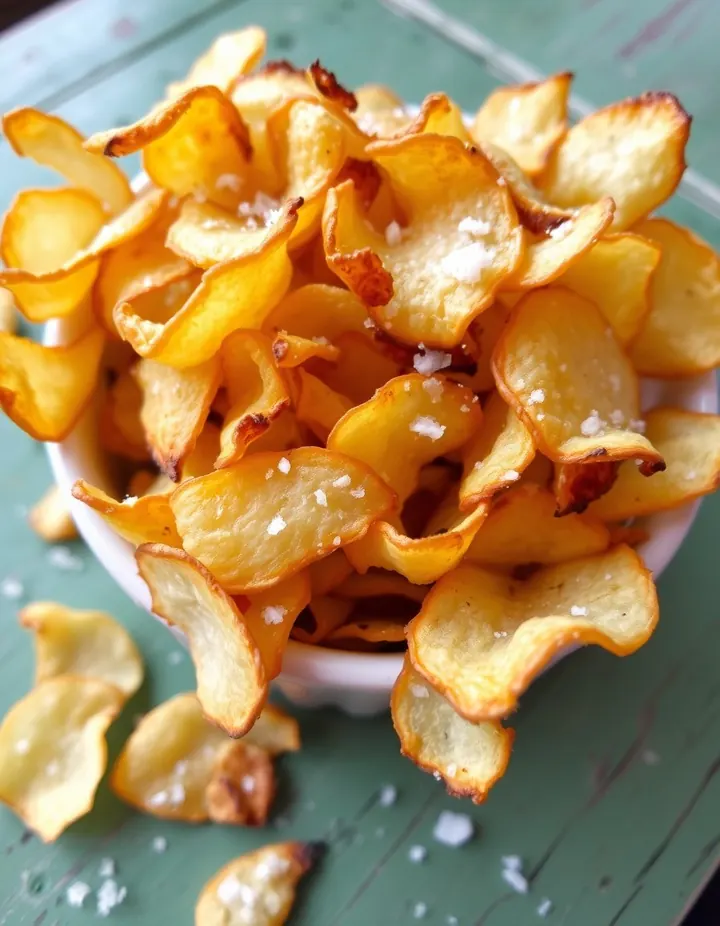 Potato Chips53 recipes
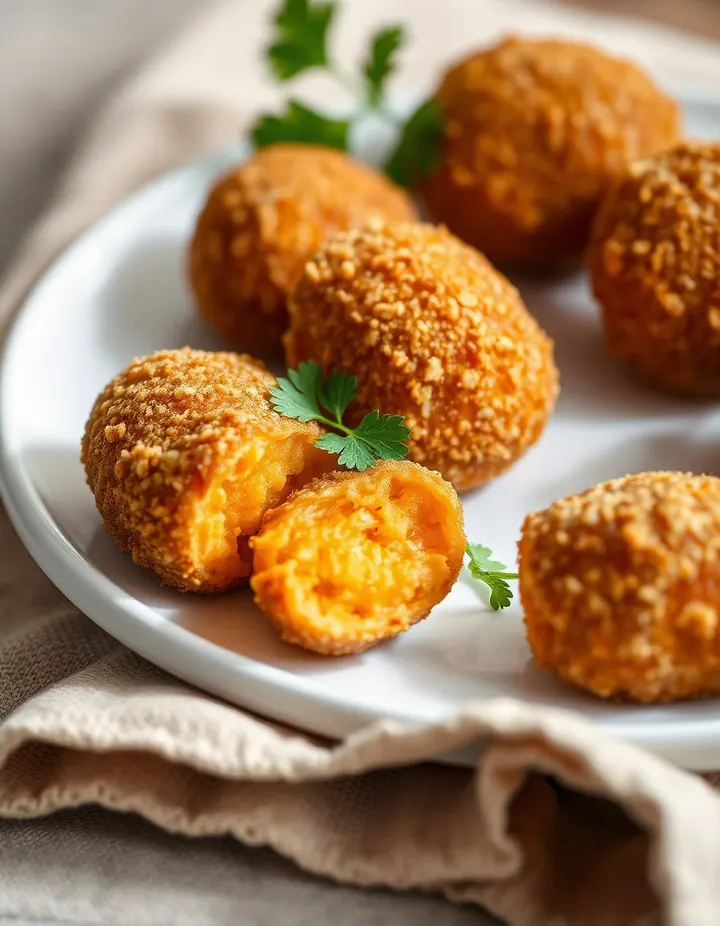 Sweet Potato Croquettes53 recipes
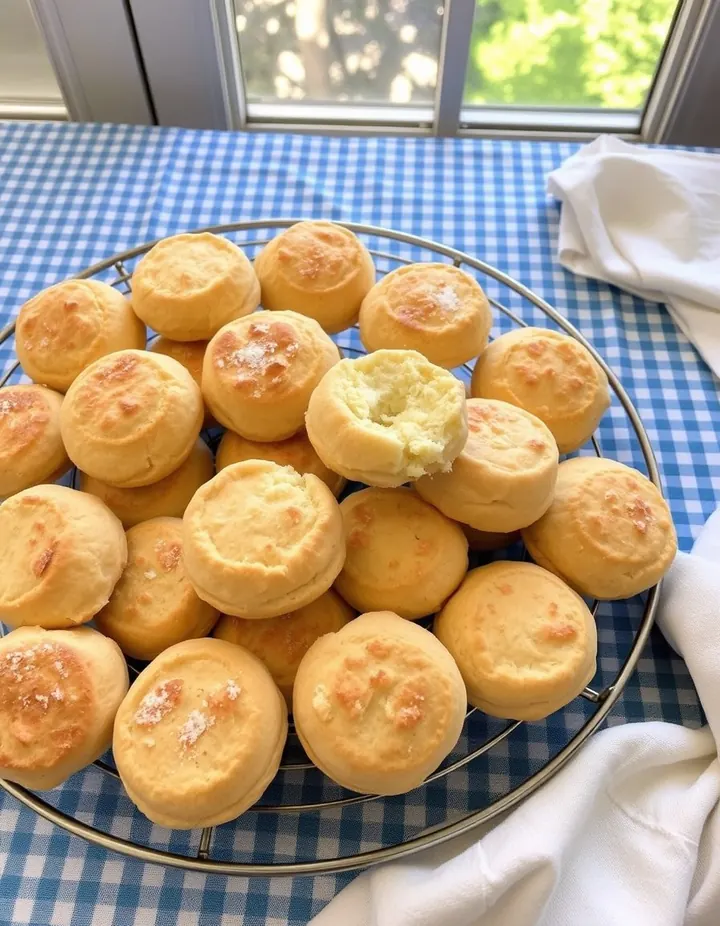 Potato Biscuit32 recipes
The free Flavor Lab newsletter: one surprising pairing a week and the molecular reason it works, in 60 seconds. No spam, unsubscribe anytime.
Prefer an account? Create a free account for sign-in; Pro adds the full results and chemistry.