Why it works: Onion and potato are a kitchen classic. They rank in the top 3% of all ingredient pairs, and cooks put them together in 9,023 recipes. Both carry 2-isopropyl-3-methoxypyrazine, which smells earthy, pea. The science ↓
Mock Cod Fish Balls
Ingredients
Directions
Prepare the potatoes
Wash, peel, and boil six medium sized potatoes for ten minutes in salted water.
Drain the potatoes and grate them while hot.
Stir in two heaping tablespoonfuls of butter; mix thoroughly.
Make the mixture
Season with salt, cayenne pepper to taste, and add a teaspoonful of grated onion and a saltspoonful of mace.
Beat two egg yolks lightly and stir well into the mixture with two heaping tablespoonfuls of cracker crumbs.
Form small balls from the mixture.
Fry and serve
Fry the balls brown in boiling fat without crowding them in the basket.
Drain the fried balls on kitchen paper.
Serve very hot on a platter, garnish with parsley.
Nutrition, whole recipe (rough)
Counts 8 of 9 ingredients. The other 1 aren't in our nutrition table and add nothing above, so the real totals are higher.
What these numbers assume: 8 portions
| Ingredient | Portion assumed | kcal |
|---|---|---|
| Potato | 1 medium (173g) baked | 161 |
| Butter | 1 tbsp (14g) | 102 |
| Egg | 1 large egg (50g) | 78 |
| Cracker | 5 saltine crackers (15g) | 66 |
| Onion | 1 medium (110g) | 44 |
| Cayenne | 1 tsp (1.8g) | 6 |
| Black Pepper | 1 tsp ground (2.3g) | 6 |
| Salt | 1 tsp (6g) | 0 |
| Mace | not in our table | 0 |
One typical portion per ingredient; the recipe's quantities are not counted. A rough guide only, not for medical or dietary planning.
Transcribed from a scanned cookbook and modernised for today's kitchens. Where the book gave no heat or time, or said "a moderate oven", the temperatures and times here may be modern equivalents rather than the book's own figures. See the original page.
Explore the science
The flavor team
The pairs that carry this dish. Each one is judged two ways: how much their aromas overlap, and how often cooks already put them together.
-
Onion + potatotop 3% of all pairsSmell alikemoderateCooked together9,023 recipes
Shared aroma: 2-isopropyl-3-methoxypyrazine (earthy, pea).
-
Potato + peppertop 9% of all pairsSmell alikemoderateCooked together8,305 recipes
Shared aroma: 2-isopropyl-3-methoxypyrazine (earthy, pea).
-
Onion + peppertop 11% of all pairsSmell alikemoderateCooked together68,474 recipes
Shared aroma: 2-isopropyl-3-methoxypyrazine (earthy, pea).
-
Potato + buttertop 13% of all pairsSmell alikemoderateCooked together6,456 recipes
Shared aroma: (z)-4-heptenal (biscuit, cream).
-
Onion + buttertop 15% of all pairsSmell alikemoderateCooked together42,912 recipes
Shared aroma: decanal (soap, orange peel).
Ranks compare each pair with 20,000 random ingredient pairs on CompKitchen. How we score pairs
What each ingredient does
- Potatoes
- Form the bulk of the balls, giving a soft, starchy interior once cooked.
- Butter
- Adds richness and moisture, helping the mashed potato hold together smoothly.
- Egg yolks
- Bind the mixture so the balls hold their shape during frying.
- Cracker crumbs
- Absorb moisture and add body so the mixture can be shaped into balls.
The step that matters
Fry the balls without crowding the basket. Crowding drops the temperature of the fat, so the balls soak up oil instead of browning quickly and crisping on the outside.
Swap the mace
How well each one fits the dish's main ingredients (onion, potato, butter, egg, pepper):
- Parsleyfits better
- Garlicfits better
- Thymefits better
- Macethe original
Fit is the average pairing score against onion, potato, butter, egg, pepper. Candidates are from the same food group and used in at least 100 recipes.
“What each ingredient does” and “The step that matters” were written by Claude from this recipe’s own method and reviewed in samples by CompKitchen.
You might also like
 Potato Croquettes255 recipes
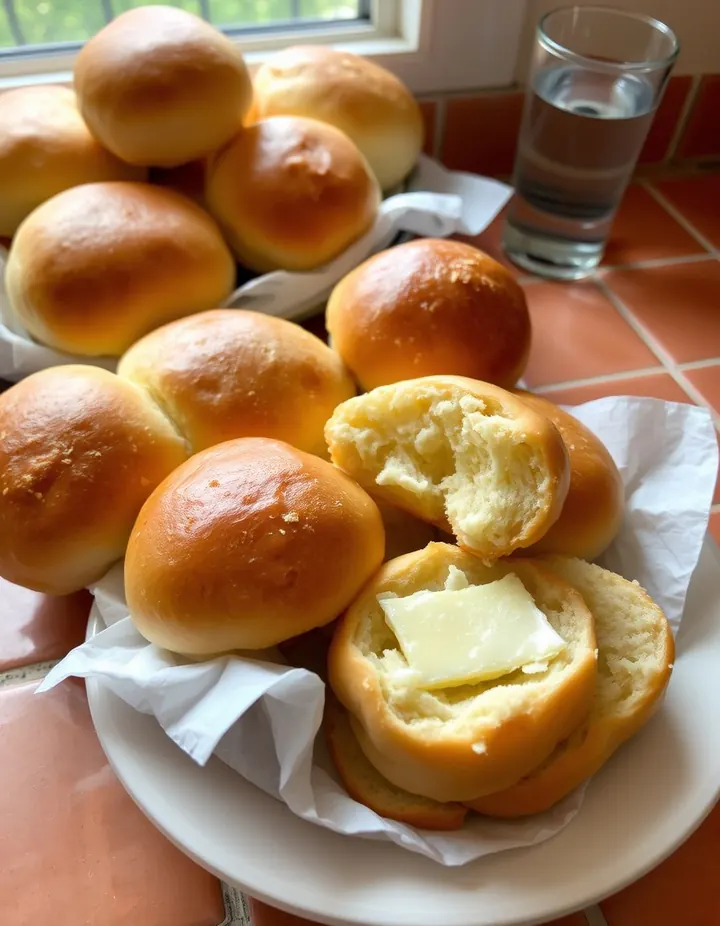 Potato Rolls78 recipes
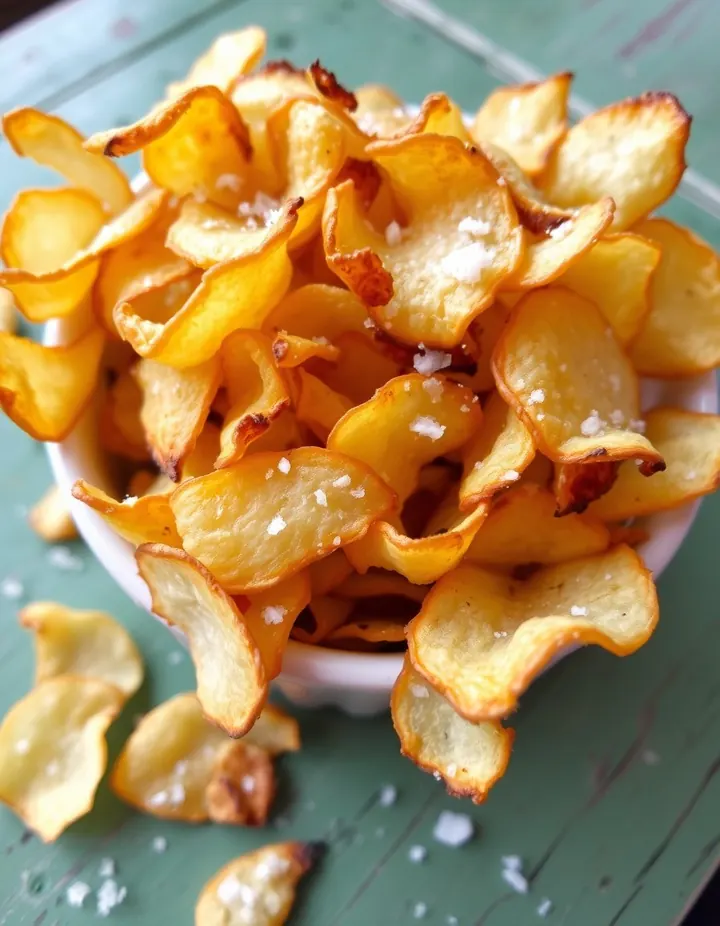 Potato Chips53 recipes
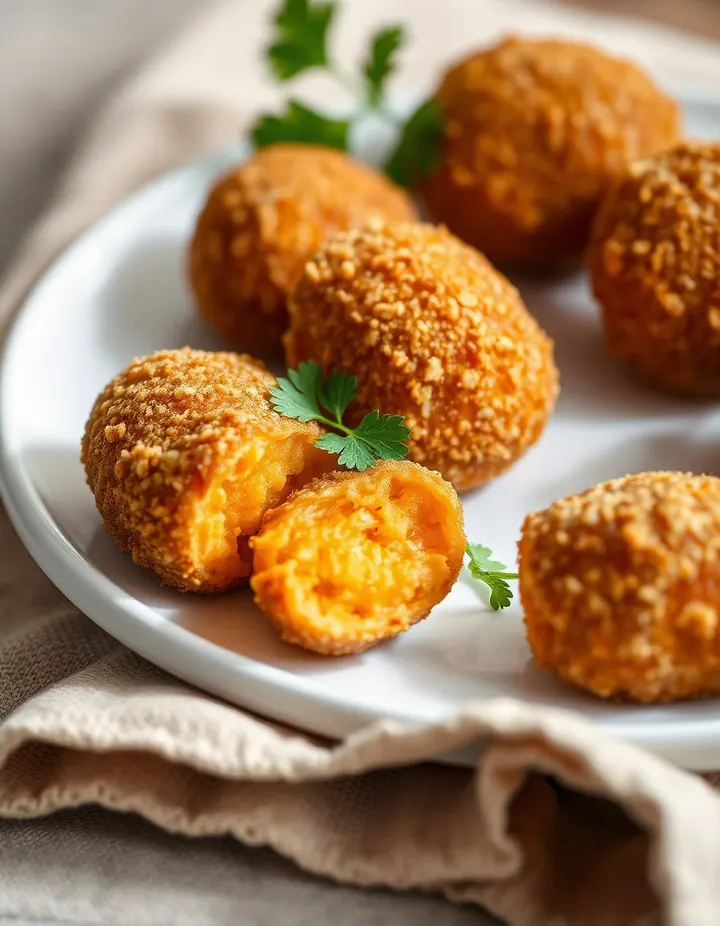 Sweet Potato Croquettes53 recipes
The free Flavor Lab newsletter: one surprising pairing a week and the molecular reason it works, in 60 seconds. No spam, unsubscribe anytime.
Prefer an account? Create a free account to save pairings and unlock the full chemistry.