Why it works: Vanilla and cinnamon match in chemistry and in kitchens. They rank in the top 1% of all ingredient pairs, and cooks put them together in 5,287 recipes. Both carry 4-methoxybenzaldehyde, which smells sweet, anise. The science ↓
Fried Cream
Ingredients
Directions
Make the custard
Put the milk into a double boiler with the salt and a piece of cinnamon or lemon zest.
When it is at the boiling point add the sugar; then add the cornstarch and flour, which have been moistened in cold milk.
Stir until thickened; remove, and turn it over the beaten yolks of the eggs.
Place it on the fire again for a few minutes to set the eggs.
Add the butter and flavoring, and strain it onto a flat dish, or biscuit tin, making a layer three quarters of an inch thick.
Let it stand until perfectly cold and firm (it may be made the day before it is used).
Cut and bread
Cut it into pieces three inches long and two inches wide.
Handle the pieces carefully, using a broad knife blade.
If the pudding stands long enough before being fried, it will not be difficult to handle.
Cover each one with sifted cracker crumbs, then with egg, and again with crumbs; be sure they are completely covered.
Fry and serve
Have the fat smoking hot, and do not fry too long.
Fry the pieces in hot fat to an amber color.
Lay them on a brown paper in the open oven to dry, sprinkle them with sugar, and serve on a folded napkin.
The crust should be crisp, and the center creamy, the same as a croquette.
Nutrition, whole recipe (rough)
What these numbers assume: 8 portions
| Ingredient | Portion assumed | kcal |
|---|---|---|
| Flour | 1 cup (125g) all-purpose | 455 |
| Milk | 1 cup (244ml) whole | 149 |
| Butter | 1 tbsp (14g) | 102 |
| Egg | 1 large egg (50g) | 78 |
| Sugar | 1 tbsp (12.5g) granulated | 49 |
| Vanilla | 1 tsp extract (4ml) | 12 |
| Cinnamon | 1 tsp ground (2.6g) | 6 |
| Salt | 1 tsp (6g) | 0 |
One typical portion per ingredient; the recipe's quantities are not counted. A rough guide only, not for medical or dietary planning.
Transcribed from a scanned cookbook and modernised for today's kitchens. Where the book gave no heat or time, or said "a moderate oven", the temperatures and times here may be modern equivalents rather than the book's own figures. See the original page.
Explore the science
The flavor team
The pairs that carry this dish. Each one is judged two ways: how much their aromas overlap, and how often cooks already put them together.
-
Vanilla + cinnamontop 1% of all pairsSmell alikestrongCooked together5,287 recipes
Shared aroma: 4-methoxybenzaldehyde (sweet, anise).
-
Milk + vanillatop 5% of all pairsSmell alikemoderateCooked together19,187 recipes
Shared aroma: ethyl caproate (fruity, apple peel).
-
Milk + buttertop 7% of all pairsSmell alikemoderateCooked together81,283 recipes
Shared aroma: (z)-4-heptenal (biscuit, cream).
-
Sugar + vanillatop 8% of all pairsSmell alikelowCooked together35,032 recipes
Shared aroma: beta-damascenone (apple, rose).
-
Flour + cinnamontop 9% of all pairsSmell alikemoderateCooked together17,341 recipes
Shared aroma: isobutyraldehyde (malty, green).
Sugar and vanilla barely smell alike, yet cooks put them together in 35,032 recipes: they work on texture and structure more than aroma.
Ranks compare each pair with 20,000 random ingredient pairs on CompKitchen. How we score pairs
What each ingredient does
- Milk
- Forms the liquid base of the custard that thickens when heated with starch.
- Eggs
- Yolks thicken and set the custard so it can be cut and hold its shape.
- Cornstarch
- Thickens the milk as it heats, giving the custard a firm, sliceable body.
- Flour
- Adds additional thickening alongside cornstarch for a firmer custard.
- Sugar
- Adds sweetness to the custard and the finished sugared pieces.
- Cracker crumbs (in the method)
- Form the crisp, browned coating that protects the custard during frying.
The step that matters
Let the custard chill fully before cutting and frying. A custard must be cold and firm to hold its shape. Cutting or frying it while warm causes it to slump and break apart in the hot fat.
“What each ingredient does” and “The step that matters” were written by Claude from this recipe’s own method and reviewed in samples by CompKitchen.
You might also like
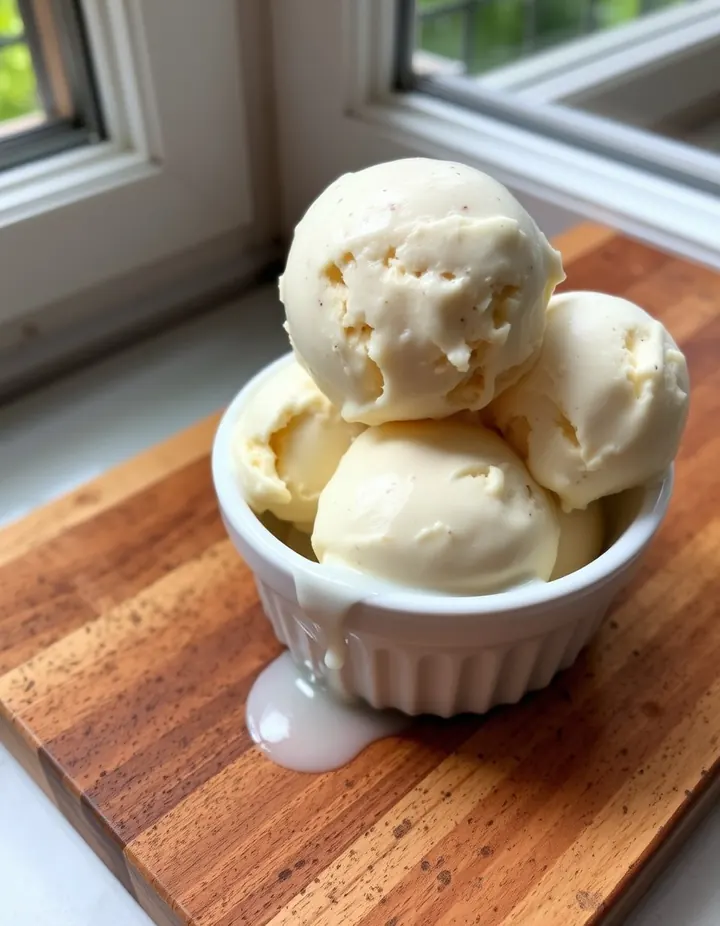 Vanilla Ice Cream108 recipes
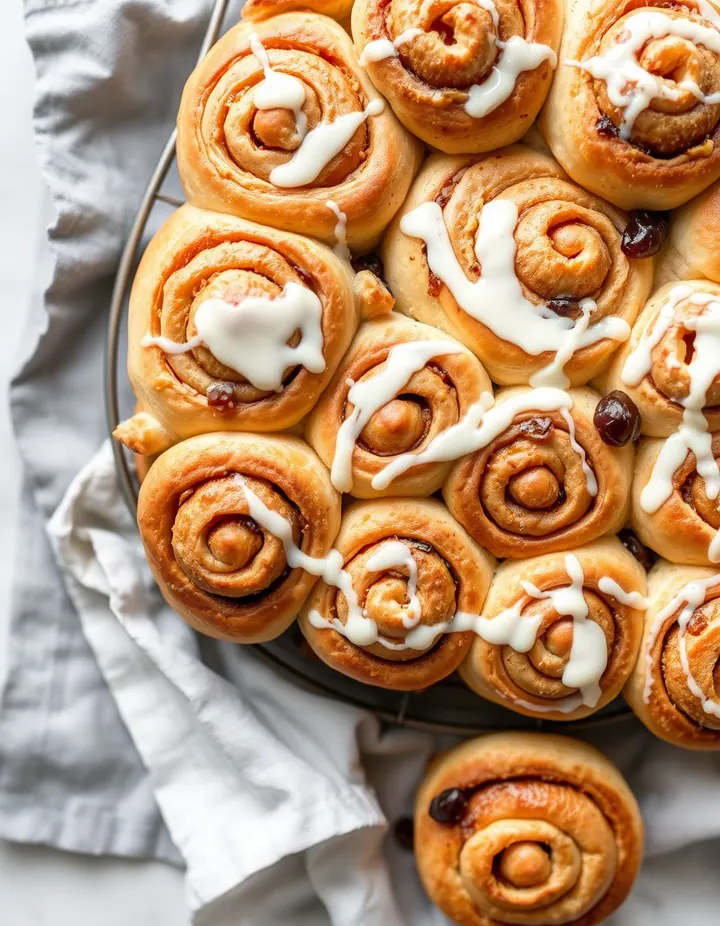 Cinnamon Rolls71 recipes
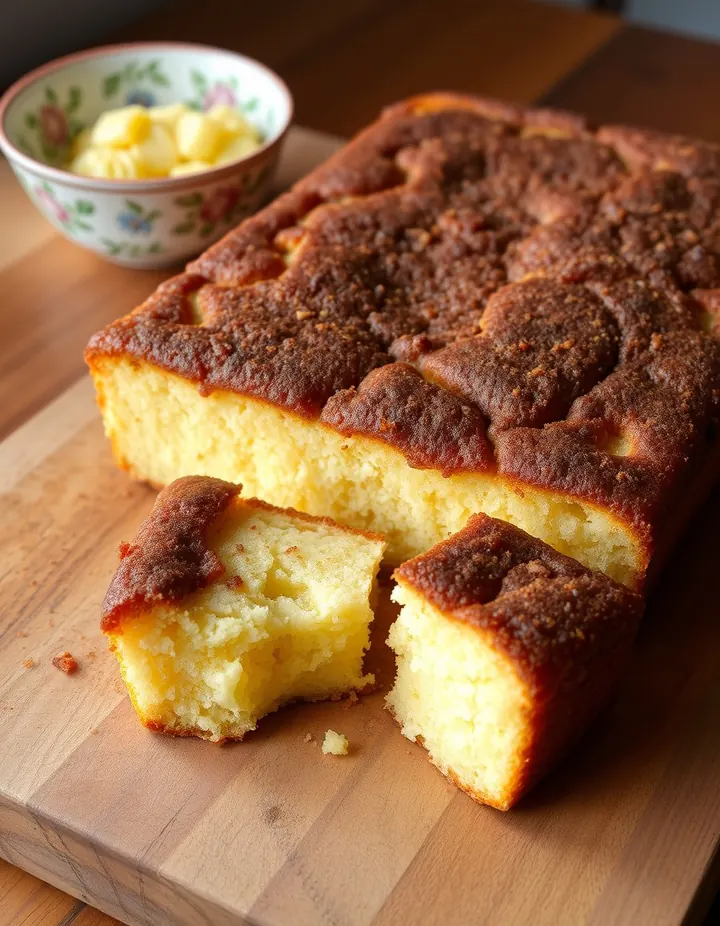 Cinnamon Cake42 recipes
 White Cake431 recipes
The free Flavor Lab newsletter: one surprising pairing a week and the molecular reason it works, in 60 seconds. No spam, unsubscribe anytime.
Prefer an account? Create a free account to save pairings and unlock the full chemistry.