Why it works: Sugar and coffee are a kitchen classic. They rank in the top 17% of all ingredient pairs, and cooks put them together in 4,344 recipes. Both carry beta-damascenone, which smells apple, rose. The science ↓
Burnt Sugar
Ingredients
Directions
Make the caramel
Place an old tin ladle over a sharp fire, add two ounces of loaf sugar, and stir with a stick or skewer until it is thoroughly black and burnt.
Add, little by little, about one gill of water; stir a little, boil about four minutes, but not fast, lest it should boil over the ladle.
Strain, and it is made.
Store
As soon as cold, bottle it and use when wanted.
It keeps any length of time.
Transcribed from a scanned cookbook and modernised for today's kitchens. Where the book gave no heat or time, or said "a moderate oven", the temperatures and times here may be modern equivalents rather than the book's own figures. See the original page.
Explore the science
The flavor team
The pairs that carry this dish. Each one is judged two ways: how much their aromas overlap, and how often cooks already put them together.
-
Sugar + coffeetop 17% of all pairsSmell alikelowCooked together4,344 recipes
Shared aroma: beta-damascenone (apple, rose).
Ranks compare each pair with 20,000 random ingredient pairs on CompKitchen. How we score pairs
What each ingredient does
- Loaf sugar
- Burns to a dark brown colour and bittersweet flavour when heated dry.
- Water
- Dissolves the burnt sugar into a pourable, flavourful liquid.
The step that matters
Adding the water. Water poured onto very hot burnt sugar flashes into steam and spits violently. Adding it little by little and boiling gently keeps the mixture under control and stops it boiling over.
“What each ingredient does” and “The step that matters” were written by Claude from this recipe’s own method and reviewed in samples by CompKitchen.
More caramel recipes
You might also like
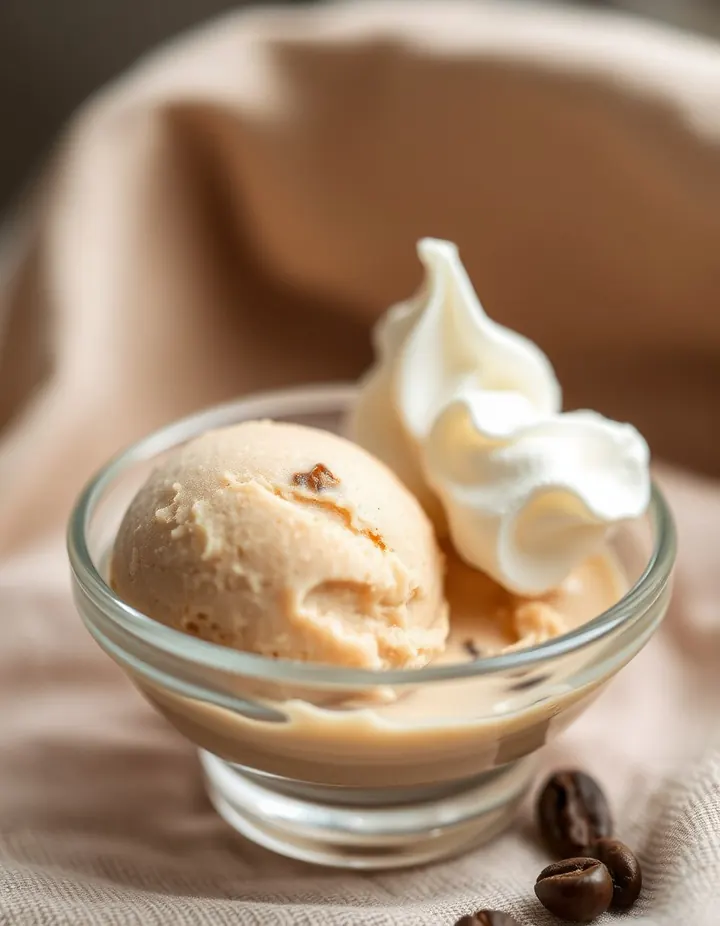 Coffee Ice Cream91 recipes
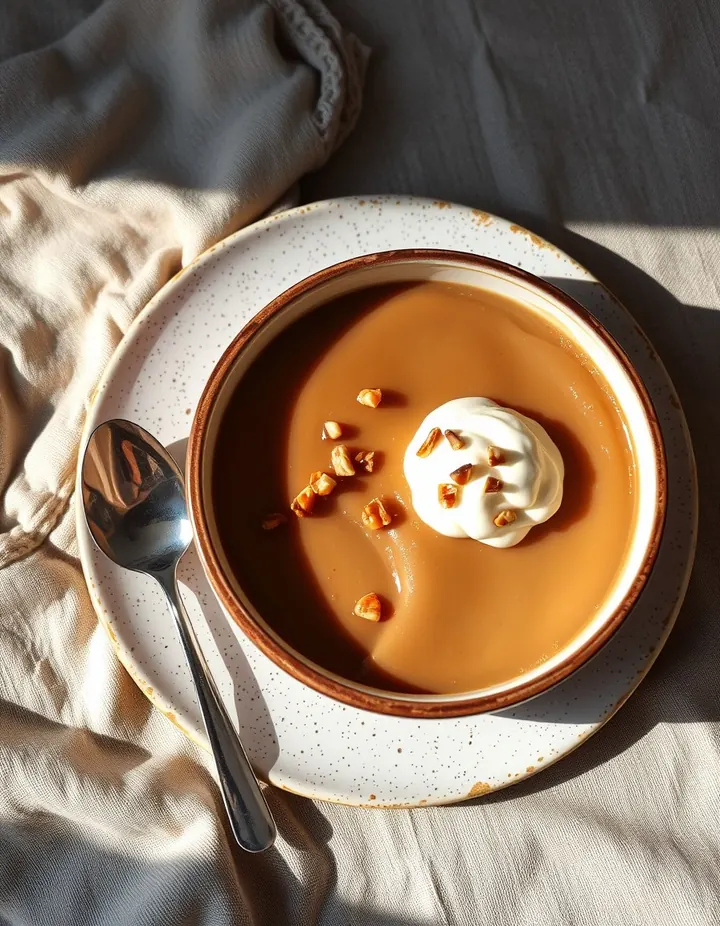 Coffee Custard27 recipes
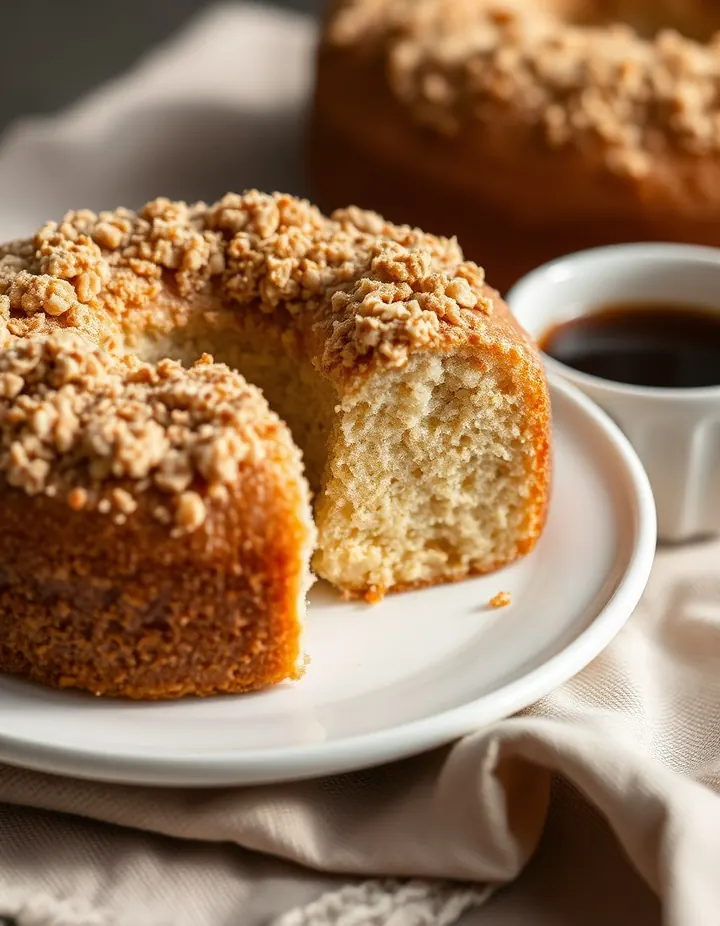 Coffee Cake21 recipes
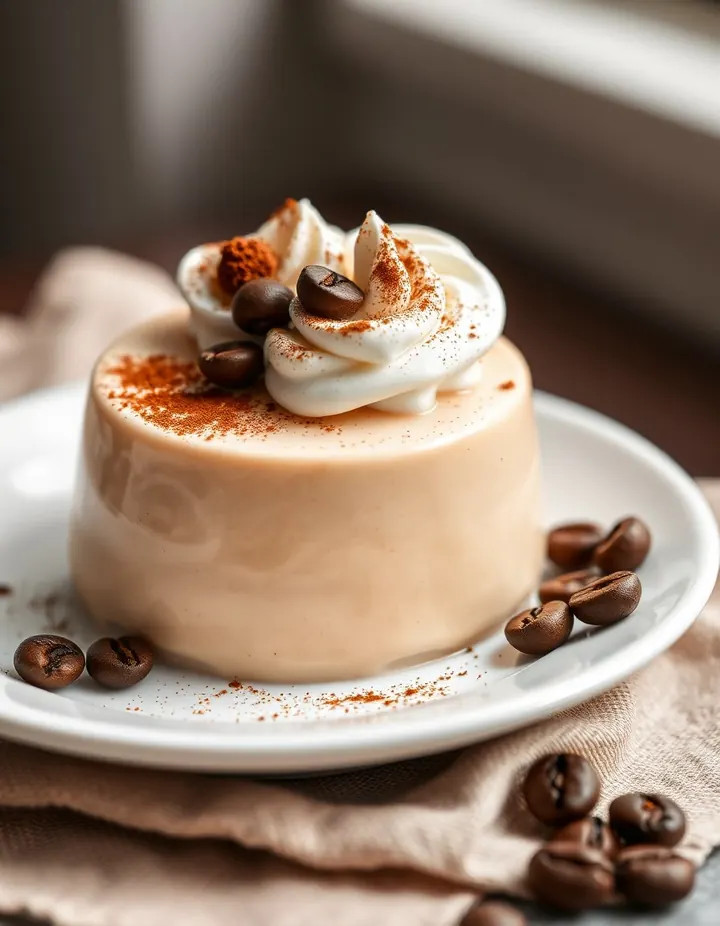 Coffee Bavarian Cream14 recipes
The free Flavor Lab newsletter: one surprising pairing a week and the molecular reason it works, in 60 seconds. No spam, unsubscribe anytime.
Prefer an account? Create a free account to save pairings and unlock the full chemistry.