Why it works: Raisin and flour match in chemistry and in kitchens. They rank in the top 1% of all ingredient pairs, and cooks put them together in 9,075 recipes. Both carry isobutyraldehyde, which smells malty, green. The science ↓
6. Steamed Pudding.
Ingredients
Directions
Prepare
Skin, wash, and chop the suet, and dredge with flour.
Wash, pick over and seed the dried fruit, slice the citron if it is used, and dredge all with flour.
Make the batter
Stir together the milk and molasses, sift the dry ingredients with the flour, and stir the liquid into the flour slowly.
Add the suet, beating the mass thoroughly, and last the fruit, sprinkling in both the suet and the fruit as you stir.
Steam and serve
Fill a greased mold 2/3 full, close tightly, and cook in a kettle of boiling water for three hours.
Serve with a hard or foamy sauce.
Nutrition, whole recipe (rough)
What these numbers assume: 7 portions
| Ingredient | Portion assumed | kcal |
|---|---|---|
| Flour | 1 cup (125g) all-purpose | 455 |
| Milk | 1 cup (244ml) whole | 149 |
| Egg | 1 large egg (50g) | 78 |
| Grape | 1/2 cup (76g) | 62 |
| Molasses | 1 tbsp (20g) | 58 |
| Sugar | 1 tbsp (12.5g) granulated | 49 |
| Salt | 1 tsp (6g) | 0 |
One typical portion per ingredient; the recipe's quantities are not counted. A rough guide only, not for medical or dietary planning.
Transcribed from a scanned cookbook and modernised for today's kitchens. Where the book gave no heat or time, or said "a moderate oven", the temperatures and times here may be modern equivalents rather than the book's own figures. See the original page.
Explore the science
The flavor team
The pairs that carry this dish. Each one is judged two ways: how much their aromas overlap, and how often cooks already put them together.
-
Raisin + flourtop 1% of all pairsSmell alikestrongCooked together9,075 recipes
Shared aroma: isobutyraldehyde (malty, green).
-
Raisin + molassestop 12% of all pairsSmell alikelowCooked together3,577 recipes
Shared aroma: ethanol (alcoholic, ethereal).
-
Flour + milktop 14% of all pairsSmell alikelowCooked together78,219 recipes
Shared aroma: isobutyraldehyde (malty, green).
-
Raisin + milktop 15% of all pairsSmell alikemoderateCooked together7,155 recipes
Shared aroma: decanoic acid (acides aroma).
-
Flour + eggtop 15% of all pairsSmell alikelowCooked together106,462 recipes
Shared aroma: isobutyraldehyde (malty, green).
Flour and milk barely smell alike, yet cooks put them together in 78,219 recipes: they work on texture and structure more than aroma.
Ranks compare each pair with 20,000 random ingredient pairs on CompKitchen. How we score pairs
What each ingredient does
- Suet (in the method)
- Adds fat and richness, keeping the pudding moist and tender as it steams.
- Molasses
- Adds sweetness and dark flavor, and moisture to the batter.
- Soda
- Reacts with the acidic molasses to lift and lighten the pudding.
- Raisins
- Add sweetness, chewy texture, and pockets of fruit flavor throughout.
The step that matters
Fill the mold no more than 2/3 full and seal it tightly. A batter that rises in the steaming mold needs room to expand; overfilling can cause it to spill or become dense. A tight seal keeps water out and moisture in during the long steam.
“What each ingredient does” and “The step that matters” were written by Claude from this recipe’s own method and reviewed in samples by CompKitchen.
More steamed pudding recipes
You might also like
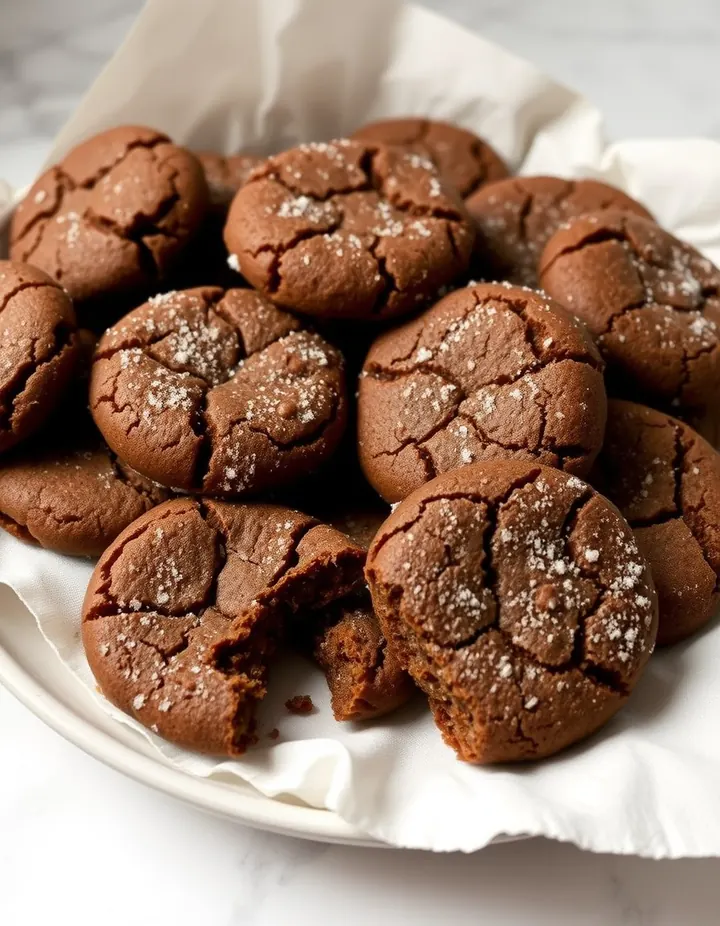 Molasses Cookies96 recipes
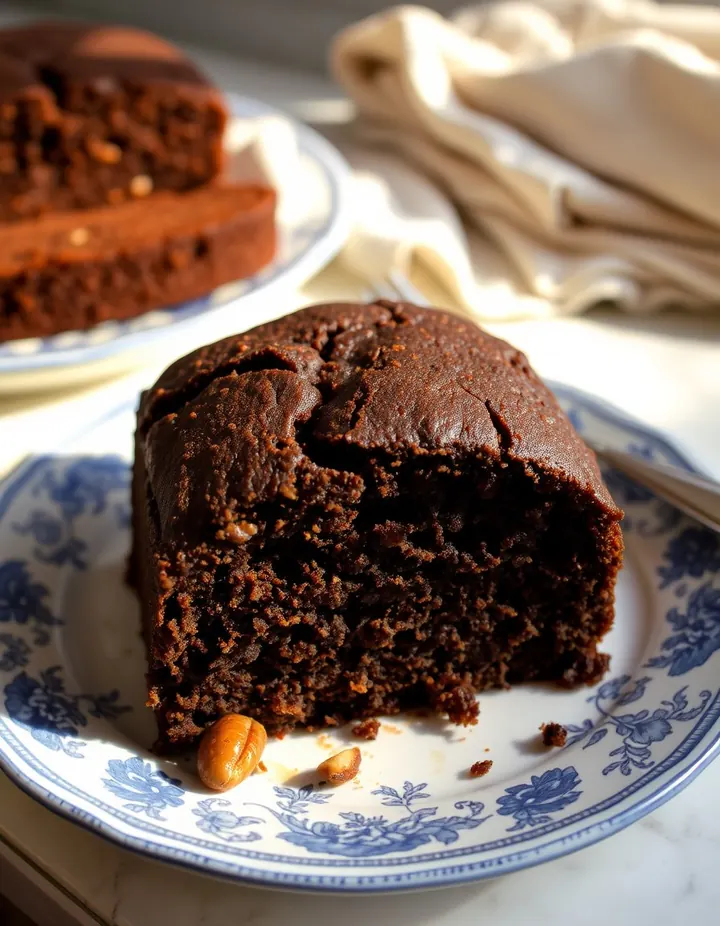 Molasses Cake90 recipes
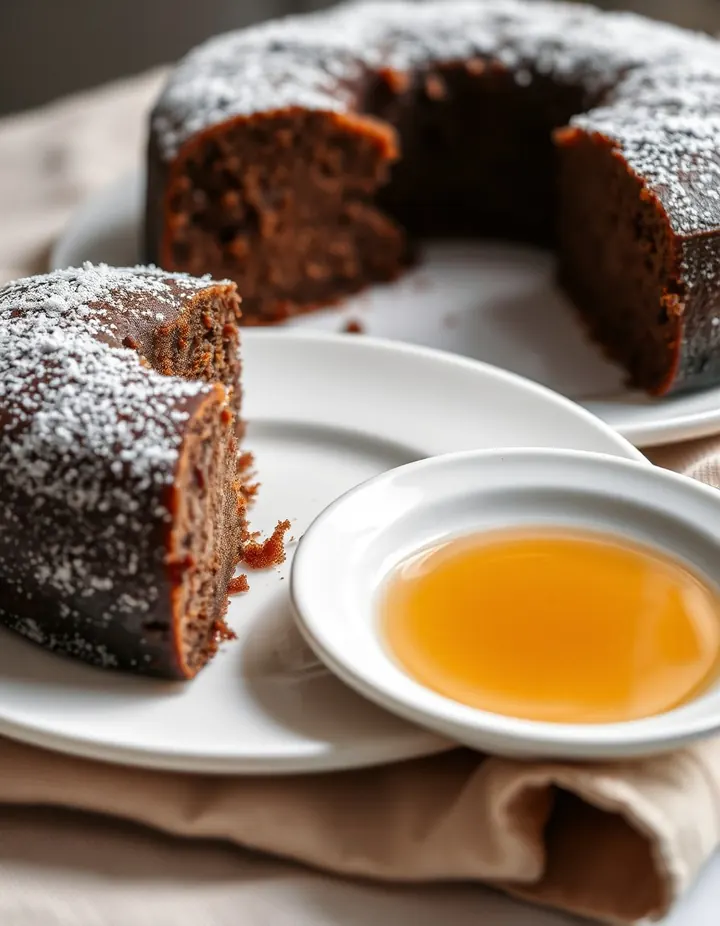 Molasses Sponge Cake9 recipes
 White Cake431 recipes
The free Flavor Lab newsletter: one surprising pairing a week and the molecular reason it works, in 60 seconds. No spam, unsubscribe anytime.
Prefer an account? Create a free account to save pairings and unlock the full chemistry.