Why it works: Nutmeg and cinnamon match in chemistry and in kitchens. They rank in the top 1% of all ingredient pairs, and cooks put them together in 11,917 recipes. Both carry estragole, which smells anise, licorice. The science ↓
Doughnuts II
Ingredients
Directions
Mix the dough
Put flour in shallow pan; add salt, soda, cream of tartar, and spices.
Work in butter with tips of fingers.
Add sugar, egg well beaten, and sour milk.
Stir thoroughly, and toss on board thickly dredged with flour.
Knead slightly, using more flour if necessary.
Shape and fry
Pat and roll out to one-fourth inch thickness.
Shape, fry, and drain.
Turn doughnuts as soon as they come to top of fat, and frequently afterwards.
Nutrition, whole recipe (rough)
What these numbers assume: 9 portions
| Ingredient | Portion assumed | kcal |
|---|---|---|
| Flour | 1 cup (125g) all-purpose | 455 |
| Sour Milk | 1 cup (244ml) whole | 149 |
| Butter | 1 tbsp (14g) | 102 |
| Egg | 1 large egg (50g) | 78 |
| Cream | 1 tbsp (15ml) heavy | 51 |
| Sugar | 1 tbsp (12.5g) granulated | 49 |
| Nutmeg | 1 tsp ground (2.2g) | 12 |
| Cinnamon | 1 tsp ground (2.6g) | 6 |
| Salt | 1 tsp (6g) | 0 |
One typical portion per ingredient; the recipe's quantities are not counted. A rough guide only, not for medical or dietary planning.
Transcribed from a scanned cookbook and modernised for today's kitchens. Where the book gave no heat or time, or said "a moderate oven", the temperatures and times here may be modern equivalents rather than the book's own figures. See the original page.
Explore the science
The flavor team
The pairs that carry this dish. Each one is judged two ways: how much their aromas overlap, and how often cooks already put them together.
-
Nutmeg + cinnamontop 1% of all pairsSmell alikestrongCooked together11,917 recipes
Shared aroma: estragole (anise, licorice).
-
Butter + milktop 7% of all pairsSmell alikemoderateCooked together81,283 recipes
Shared aroma: (z)-4-heptenal (biscuit, cream).
-
Cream + buttertop 8% of all pairsSmell alikemoderateCooked together41,516 recipes
Shared aroma: delta-dodecalactone (sweet, creamy).
-
Flour + nutmegtop 8% of all pairsSmell alikemoderateCooked together18,623 recipes
Shared aroma: isobutyraldehyde (malty, green).
-
Flour + cinnamontop 9% of all pairsSmell alikemoderateCooked together17,341 recipes
Shared aroma: isobutyraldehyde (malty, green).
Ranks compare each pair with 20,000 random ingredient pairs on CompKitchen. How we score pairs
What each ingredient does
- Flour
- Forms the structure of the dough so the doughnuts hold their shape in the fat.
- Soda
- Reacts with the sour milk's acidity to produce gas that leavens the doughnuts.
- Cream of tartar
- Adds acidity that works with the soda to help the doughnuts rise.
- Sour milk
- Supplies acidity for the soda reaction and moisture that tenderizes the dough.
- Butter
- Adds fat that tenderizes the crumb and gives a softer texture.
- Egg
- Binds the dough and adds richness and structure.
The step that matters
Turn doughnuts as soon as they come to top of fat, and frequently afterwards.. Turning them regularly lets both sides cook evenly and brown at the same rate. Leaving one side in contact with the hot fat too long can scorch it while the inside stays underdone.
“What each ingredient does” and “The step that matters” were written by Claude from this recipe’s own method and reviewed in samples by CompKitchen.
You might also like
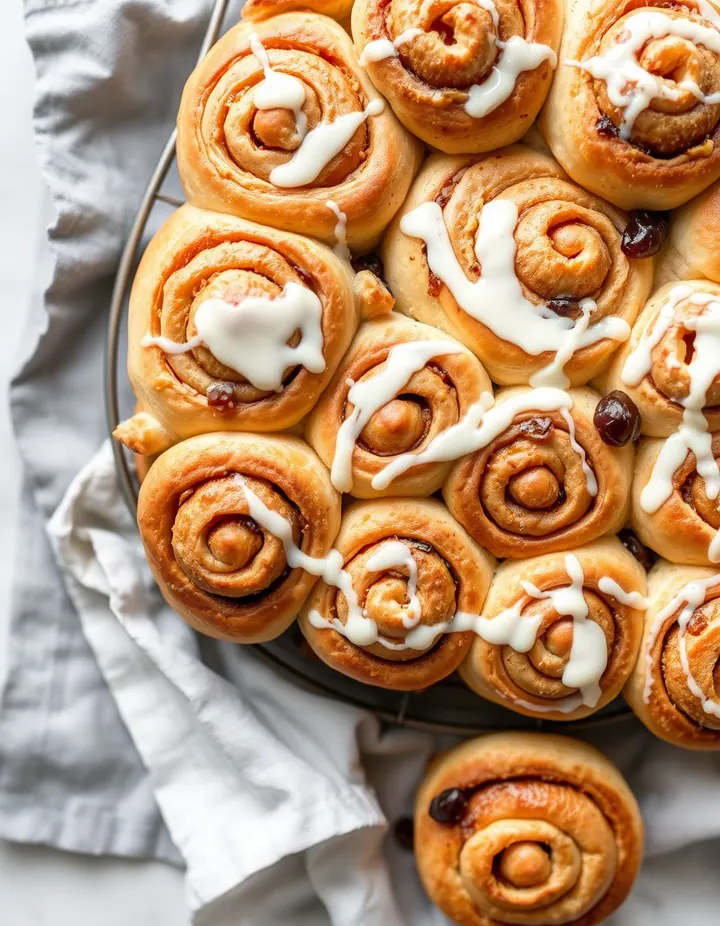 Cinnamon Rolls71 recipes
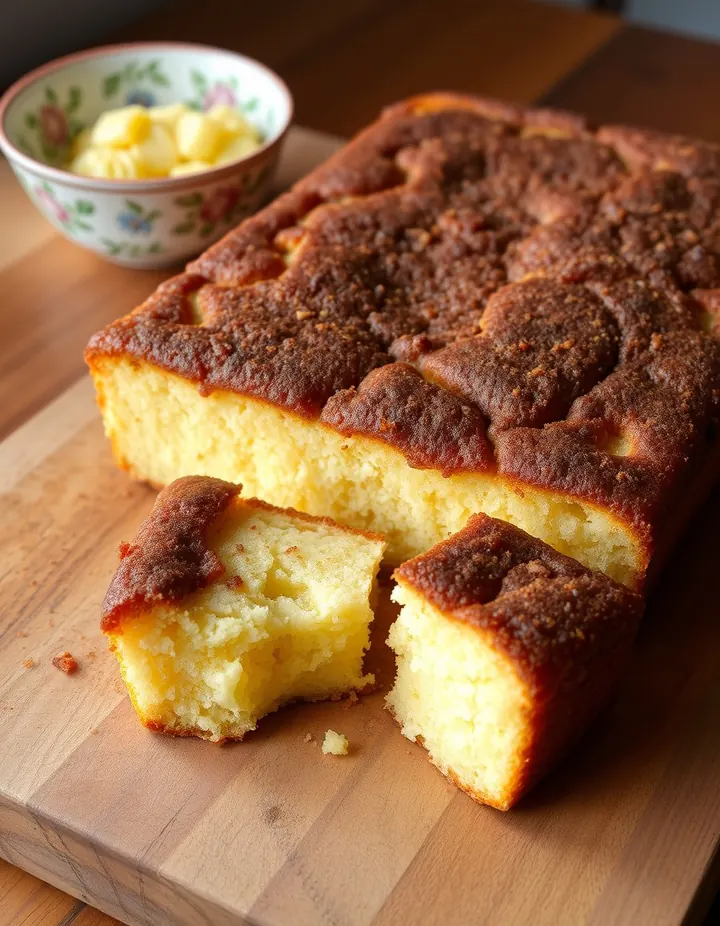 Cinnamon Cake42 recipes
 White Cake431 recipes
 Pound Cake373 recipes
The free Flavor Lab newsletter: one surprising pairing a week and the molecular reason it works, in 60 seconds. No spam, unsubscribe anytime.
Prefer an account? Create a free account to save pairings and unlock the full chemistry.