Why it works: Lemon and orange match in chemistry and in kitchens. They rank in the top 1% of all ingredient pairs, and cooks put them together in 10,634 recipes. Both carry 3-hexenal, which smells apple, fruity. The science ↓
Orange Charlotte
Ingredients
Directions
Make the gelatine base
Soak gelatin in cold water.
Dissolve gelatin in boiling water.
Strain the gelatin mixture.
Add sugar, lemon juice, orange juice, and pulp to the strained gelatin.
Chill the mixture in a pan of ice water until quite thick.
Beat the thickened mixture with a wire spoon or whisk until frothy.
Build and set the charlotte
Add the whites of eggs beaten stiff to the mixture.
Fold in the whipped cream.
Line a mold with sections of oranges.
Turn in mixture.
Smooth the surface evenly.
Chill the molded dessert.
Nutrition, whole recipe (rough)
Counts 5 of 6 ingredients. The other 1 aren't in our nutrition table and add nothing above, so the real totals are higher.
What these numbers assume: 5 portions
| Ingredient | Portion assumed | kcal |
|---|---|---|
| Egg | 1 large egg (50g) | 78 |
| Orange | 1 medium (131g) | 62 |
| Cream | 1 tbsp (15ml) heavy | 51 |
| Sugar | 1 tbsp (12.5g) granulated | 49 |
| Lemon | juice of 1 lemon (48ml) | 12 |
| Water | not in our table | 0 |
One typical portion per ingredient; the recipe's quantities are not counted. A rough guide only, not for medical or dietary planning.
Transcribed from a scanned cookbook and modernised for today's kitchens. Where the book gave no heat or time, or said "a moderate oven", the temperatures and times here may be modern equivalents rather than the book's own figures. See the original page.
Explore the science
The flavor team
The pairs that carry this dish. Each one is judged two ways: how much their aromas overlap, and how often cooks already put them together.
-
Lemon + orangetop 1% of all pairsSmell alikestrongCooked together10,634 recipes
Shared aroma: 3-hexenal (apple, fruity).
-
Sugar + creamtop 9% of all pairsSmell alikemoderateCooked together43,450 recipes
Shared aroma: 2,3-butanedione (butter, sweet).
-
Sugar + lemontop 18% of all pairsSmell alikelowCooked together53,532 recipes
Shared aroma: 2-nonenal (fatty, green).
-
Lemon + eggtop 19% of all pairsSmell alikelowCooked together44,316 recipes
Shared aroma: (e,e)-2,4-decadienal (fatty, deep fried).
-
Sugar + orangetop 20% of all pairsSmell alikelowCooked together19,212 recipes
Shared aroma: beta-damascenone (apple, rose).
Sugar and lemon barely smell alike, yet cooks put them together in 53,532 recipes: they work on texture and structure more than aroma.
Ranks compare each pair with 20,000 random ingredient pairs on CompKitchen. How we score pairs
What each ingredient does
- Gelatine
- Sets the liquid mixture into a sliceable, wobbly structure when chilled.
- Eggs
- Whites beaten stiff add airy lightness and volume to the set dessert.
- Cream
- Whipped cream adds richness and a light, fluffy texture.
- Sugar
- Provides sweetness that balances the tart citrus juices.
- Orange juice
- Supplies the main orange flavour and liquid to the set base.
The step that matters
Chill until quite thick before beating. Gelatine must be thick and just starting to set before whipping; if it is still runny, the mixture won't hold the air from the beaten whites and cream, and if it sets too firm it won't blend smoothly.
Swap the orange
How well each one fits the dish's main ingredients (sugar, lemon, egg, cream):
- Vanillafits better
- Raspberryfits about as well
- Orangethe original
- Raisinfits less well
Fit is the average pairing score against sugar, lemon, egg, cream. Candidates are from the same food group and used in at least 100 recipes.
“What each ingredient does” and “The step that matters” were written by Claude from this recipe’s own method and reviewed in samples by CompKitchen.
You might also like
 Orange Bundt Cake349 recipes
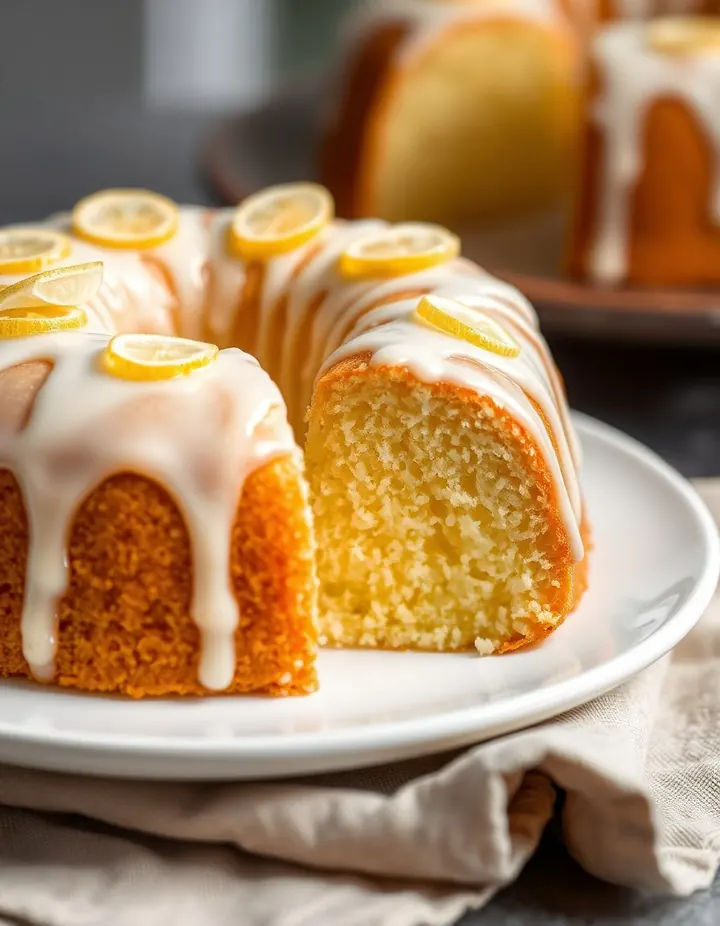 Lemon Cake228 recipes
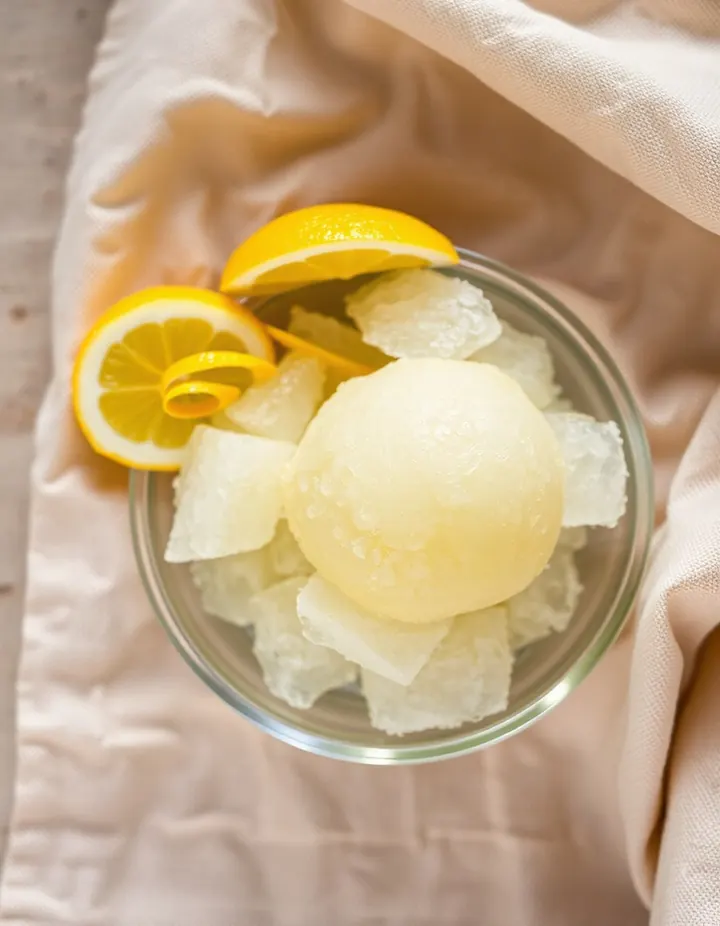 Lemon Ice147 recipes
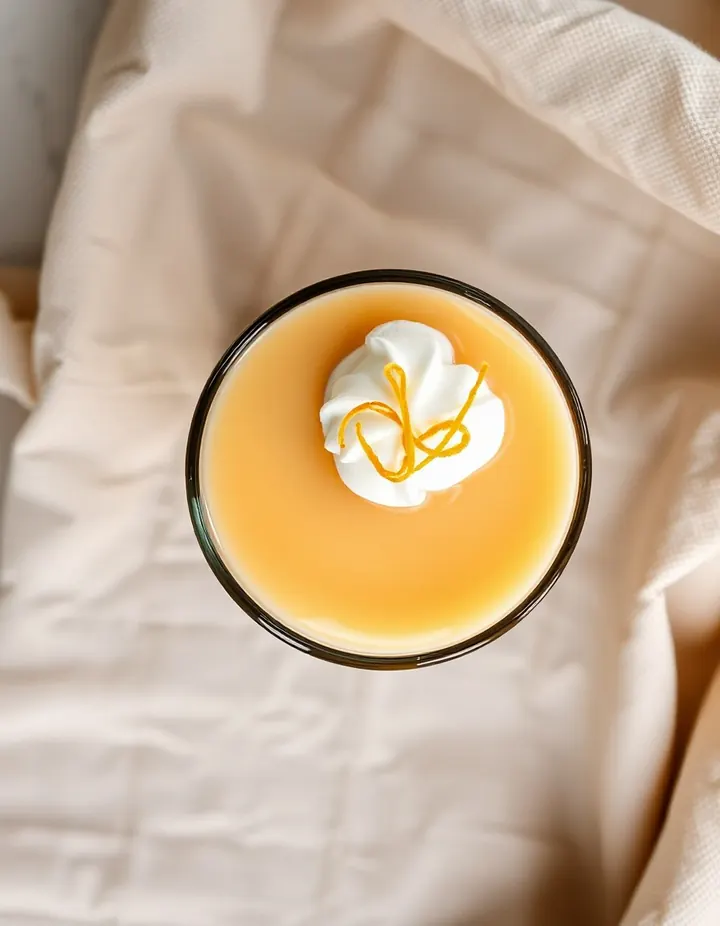 Orange Cream Rice Pudding121 recipes
The free Flavor Lab newsletter: one surprising pairing a week and the molecular reason it works, in 60 seconds. No spam, unsubscribe anytime.
Prefer an account? Create a free account to save pairings and unlock the full chemistry.