Why it works: Apple and quince work together. They rank in the top 1% of all ingredient pairs, and cooks put them together in 506 recipes. Both carry ethyl isobutyrate, which smells fruity, ethereal. The science ↓
Mince Pie Meat I
Ingredients
Directions
Prepare the meat and suet
Cover meat and suet with boiling water and cook until tender.
Cool in the water in which they are cooked. The suet will rise to the top, forming a cake of fat, which may be easily removed.
Finely chop the meat.
Prepare the apples
Quarter, core, and pare the apples before chopping; skins may be left on if apples are finely chopped.
Add the chopped meat to twice the amount of finely chopped apples.
Cook the mincemeat
Add finely chopped quinces, sugar, molasses, cider, raisins, currants, and citron; also add suet and the stock in which the meat and suet were cooked, reduced to one and one-half cups.
Heat gradually, stir occasionally, and cook slowly for two hours.
Add brandy and spices.
Nutrition, whole recipe (rough)
Counts 10 of 14 ingredients. The other 4 aren't in our nutrition table and add nothing above, so the real totals are higher.
What these numbers assume: 10 portions
| Ingredient | Portion assumed | kcal |
|---|---|---|
| Beef | 100g cooked | 250 |
| Apple | 1 medium (182g) | 95 |
| Grape | 1/2 cup (76g) | 62 |
| Molasses | 1 tbsp (20g) | 58 |
| Sugar | 1 tbsp (12.5g) granulated | 49 |
| Nutmeg | 1 tsp ground (2.2g) | 12 |
| Clove | 1 tsp ground (2g) | 7 |
| Cinnamon | 1 tsp ground (2.6g) | 6 |
| Black Pepper | 1 tsp ground (2.3g) | 6 |
| Salt | 1 tsp (6g) | 0 |
| Quince | not in our table | 0 |
| Cider | not in our table | 0 |
| Brandy | not in our table | 0 |
| Mace | not in our table | 0 |
One typical portion per ingredient; the recipe's quantities are not counted. A rough guide only, not for medical or dietary planning.
Transcribed from a scanned cookbook and modernised for today's kitchens. Where the book gave no heat or time, or said "a moderate oven", the temperatures and times here may be modern equivalents rather than the book's own figures. See the original page.
Explore the science
The flavor team
The pairs that carry this dish. Each one is judged two ways: how much their aromas overlap, and how often cooks already put them together.
-
Apple + quincetop 1% of all pairsSmell alikemoderateCooked together506 recipes
Shared aroma: ethyl isobutyrate (fruity, ethereal).
-
Apple + cidertop 2% of all pairsSmell alikemoderateCooked together1,238 recipes
Shared aroma: 1-octen-3-one (mushroom, metallic).
-
Cider + curranttop 10% of all pairsSmell alikelowCooked together500 recipes
Shared aroma: isoamyl acetate (banana, pear).
-
Raisin + curranttop 10% of all pairsSmell alikelowCooked together6,180 recipes
Shared aroma: gamma-nonanolactone (coconut, creamy).
-
Sugar + molassestop 11% of all pairsSmell alikemoderateCooked together9,225 recipes
Shared aroma: ethanol (alcoholic, ethereal).
Ranks compare each pair with 20,000 random ingredient pairs on CompKitchen. How we score pairs
What each ingredient does
- Lean beef
- Provides the meaty body and bulk of the mincemeat once finely chopped.
- Beef suet
- Adds richness and fat that keeps the filling moist and smooth.
- Baldwin apples
- Contribute moisture and tartness that balance the sugar and dried fruit.
- Raisins
- Add concentrated sweetness and chewy texture to the filling.
- Sugar
- Adds sweetness and helps preserve the mincemeat during cooking and storage.
- Molasses
- Adds depth, darkness and a deeper sweetness to the filling.
The step that matters
Heat gradually and cook slowly. Slow, gentle heat lets the meat, fruit and suet soften and blend without scorching on the bottom of the pot. Frequent stirring keeps the sugars from burning and sticking.
Swap the currant
How well each one fits the dish's main ingredients (beef, apple, quince, sugar, molasses, cider, raisin):
- Figfits better
- Pearfits better
- Plumfits better
- Currantthe original
Fit is the average pairing score against beef, apple, quince, sugar, molasses, cider, raisin. Candidates are from the same food group and used in at least 100 recipes.
“What each ingredient does” and “The step that matters” were written by Claude from this recipe’s own method and reviewed in samples by CompKitchen.
You might also like
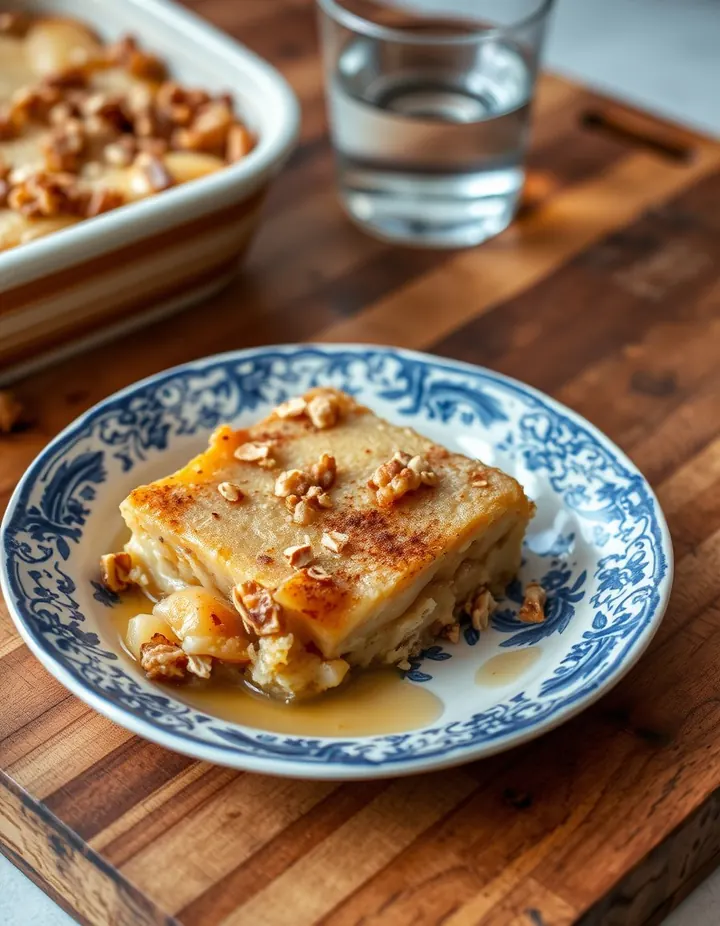 Apple Pudding256 recipes
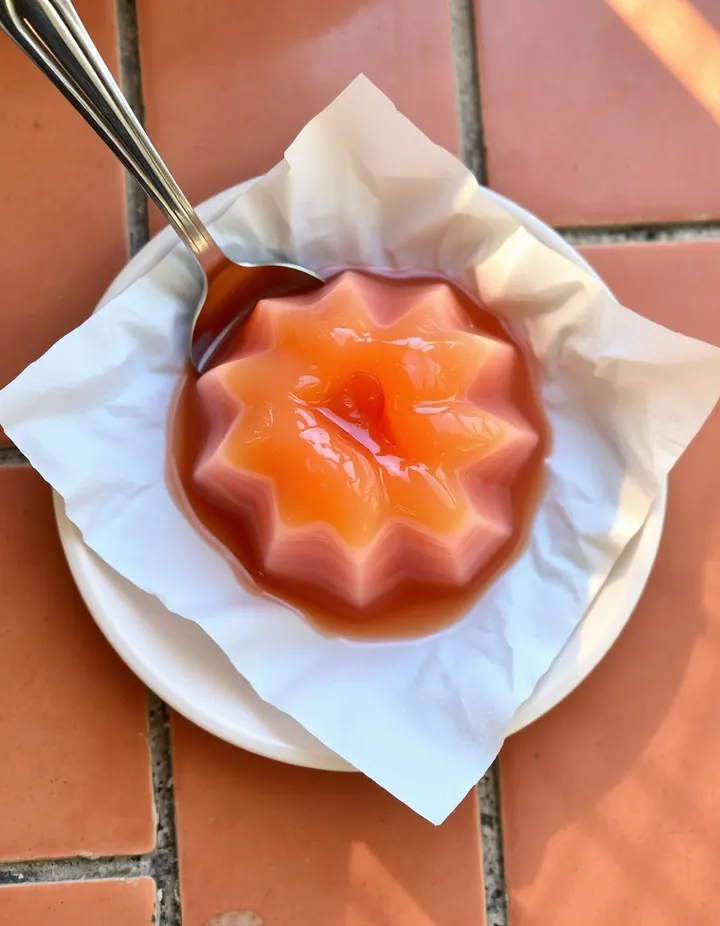 Quince Jelly131 recipes
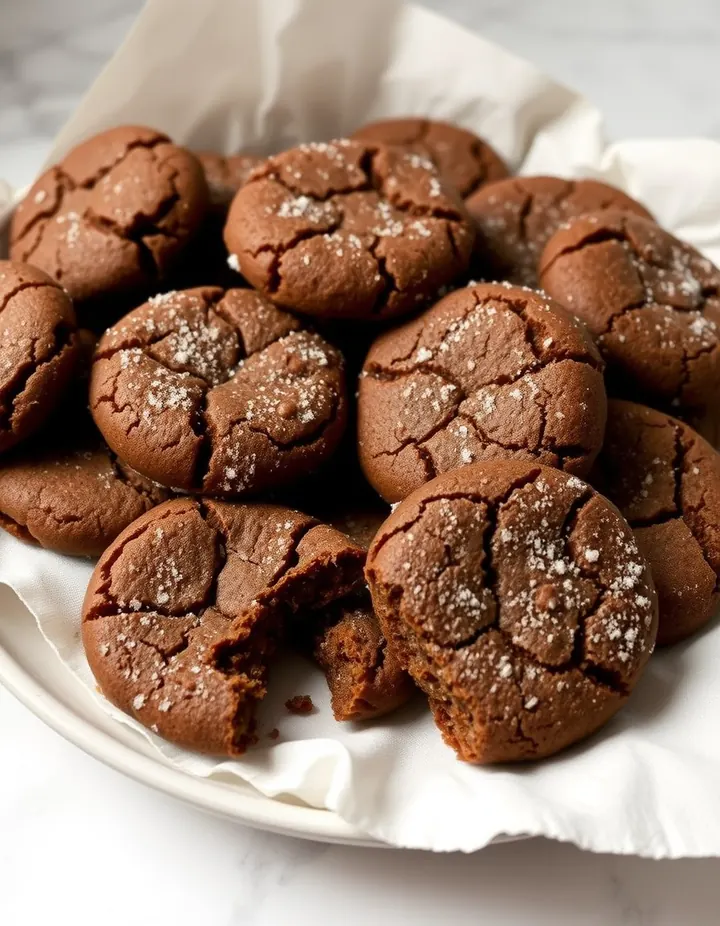 Molasses Cookies96 recipes
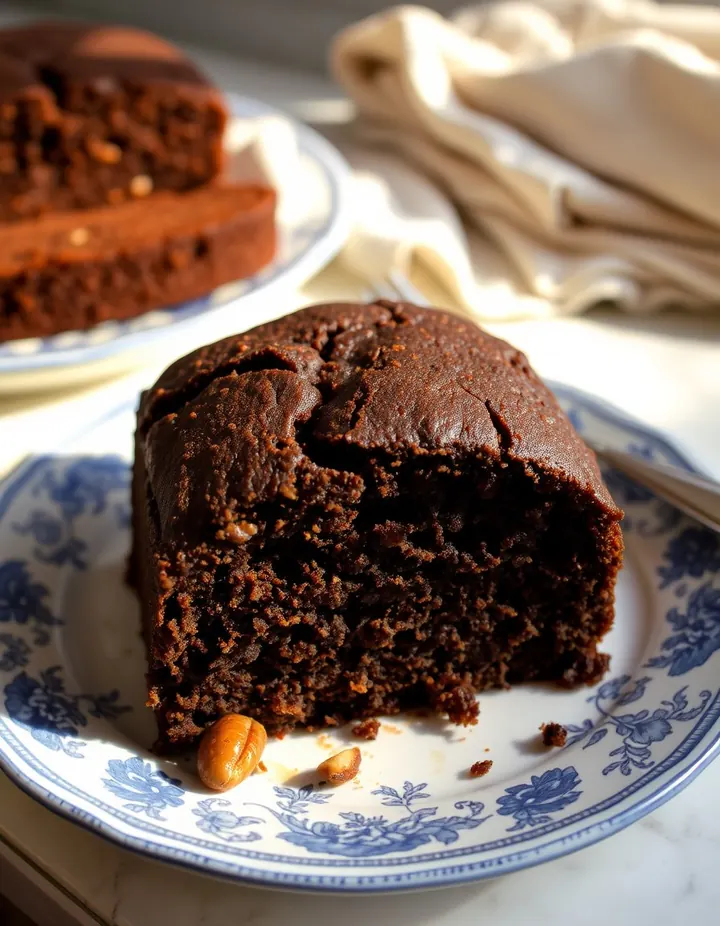 Molasses Cake90 recipes
The free Flavor Lab newsletter: one surprising pairing a week and the molecular reason it works, in 60 seconds. No spam, unsubscribe anytime.
Prefer an account? Create a free account to save pairings and unlock the full chemistry.