Why it works: Lemon and orange match in chemistry and in kitchens. They rank in the top 1% of all ingredient pairs, and 10,634 recipes mention both. Both carry 3-hexenal, which smells apple, fruity. The science ↓
Very Fine Orange Jelly
Ingredients
Directions
Prepare the isinglass
Pour a pint of spring water over 2.5 ounces of isinglass.
Press down the isinglass and turn it over until well moistened.
Place over gentle fire and let dissolve gradually.
Remove scum after it has simmered for two or three minutes.
Pour the liquid out and set aside to cool.
Make the syrup
Boil a pound of highly refined sugar in another pint of spring water for five or six minutes.
Turn the syrup into a bowl.
When just warm, add thinly pared rinds of two fine lemons, two Seville oranges, two China oranges, and the juice of five China, two Seville oranges, and three lemons.
Combine and set
When the mixture is cold but not beginning to thicken, mix it well with the liquid isinglass.
Strain it through a fine lawn sieve or a square of muslin folded in four.
Pour it into moulds laid in cold water.
When wanted for the table, loosen it from the moulds by wrapping a cloth dipped in boiling water around them and passing a knife around the edges.
Clarifying and preparation notes
Clarify the isinglass and boil the fruit rinds in the syrup for three or four minutes, leaving them until strained.
When the isinglass is clarified, allow half an ounce more of it.
Take about a teaspoonful of the white of a fresh egg, beat it a little.
Add a pint of cold water to the egg white, whisk together for a minute or two.
Pour the mixture onto the isinglass.
Stir occasionally as it heats, but not after scum forms.
Boil gently for two or three minutes, skim, and strain.
Dip oranges and lemons into fresh water and wipe dry before paring.
If using a muslin strainer, lay it after washing in hot water, then cold, rinse, and wring.
Transcribed from a scanned cookbook and modernised for today's kitchens. Where the book gave no heat or time, or said "a moderate oven", the temperatures and times here may be modern equivalents rather than the book's own figures. See the original page.
Explore the science
The flavor team
The pairs that carry this dish. Each one is judged two ways: how much aroma chemistry they share, and how many recipes mention both.
-
Lemon + orangetop 1% of all pairsAroma overlapstrongMentioned together10,634 recipes
Shared aroma: 3-hexenal (apple, fruity).
-
Sugar + lemontop 18% of all pairsAroma overlaplowMentioned together53,532 recipes
Shared aroma: 2-nonenal (fatty, green).
-
Sugar + orangetop 20% of all pairsAroma overlaplowMentioned together19,212 recipes
Shared aroma: beta-damascenone (apple, rose).
Sugar and lemon share little aroma chemistry, yet 53,532 recipes mention both: they likely work on texture and structure more than aroma.
Ranks compare each pair with 20,000 random ingredient pairs on CompKitchen. How we score pairs
What each ingredient does
- Isinglass (in the method)
- Sets the liquid into a firm jelly as it cools.
- Sugar
- Adds sweetness and body to the syrup that the jelly is made from.
- Lemon and orange juice
- Adds acidity and bright citrus flavour to the jelly.
- Orange and lemon rinds
- Contribute aromatic oils that flavour the syrup.
- Egg white (in the method)
- Gathers fine particles during clarifying so the jelly stays clear.
The step that matters
Mixing the syrup with the isinglass. Mix only when the syrup is cold but not yet thickening. Adding isinglass to a mixture that is too warm or already setting can cause uneven, cloudy or lumpy jelly that does not set evenly.
Flavor stand-ins for the lemon
How well each one fits the dish's main ingredients (sugar, orange):
- Vanillabetter flavor fit
- Lemonthe original
Fit is the average pairing score against sugar, orange. Candidates are from the same food group and used in at least 100 recipes. This compares flavor only: it does not check the job the ingredient does in the dish (bulk, moisture, acidity, structure).
“What each ingredient does” and “The step that matters” were written by Claude from this recipe’s own method and reviewed in samples by CompKitchen.
More orange jelly recipes
You might also like
 Orange Bundt Cake349 recipes
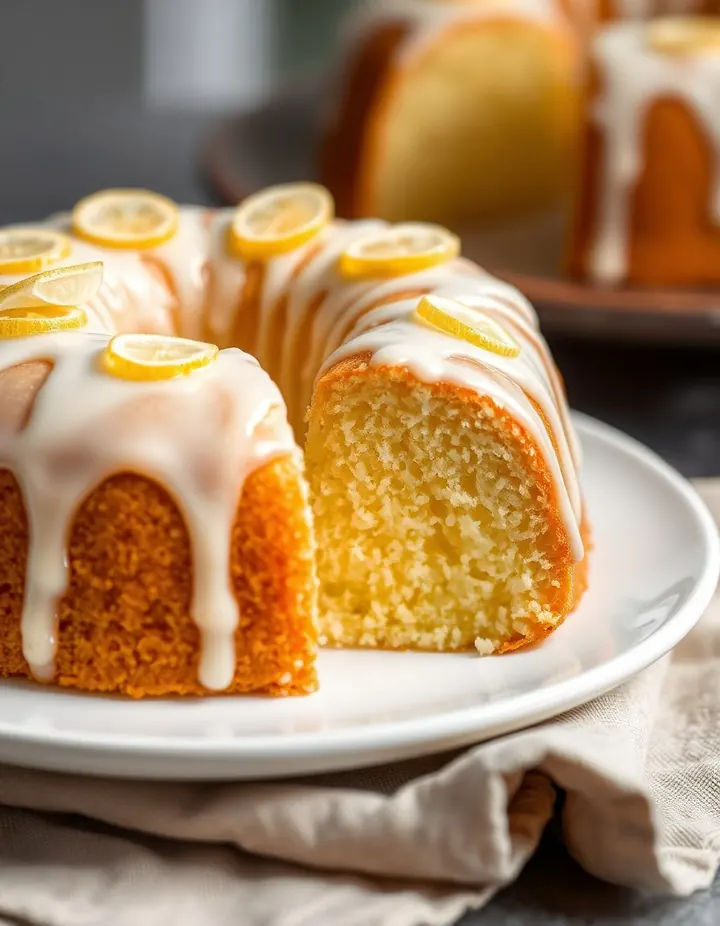 Lemon Cake228 recipes
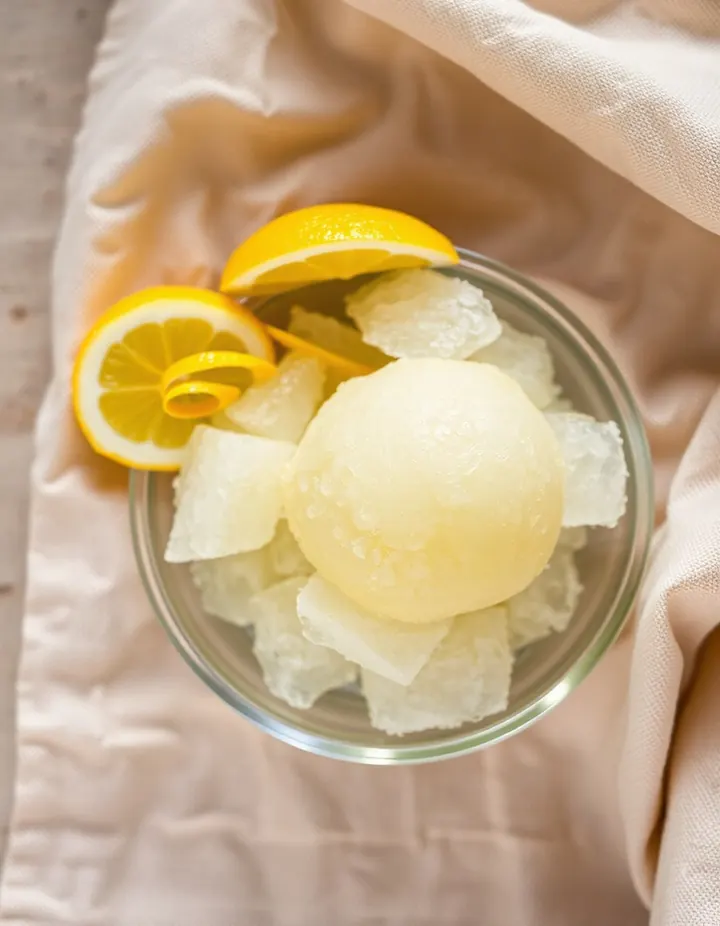 Lemon Ice147 recipes
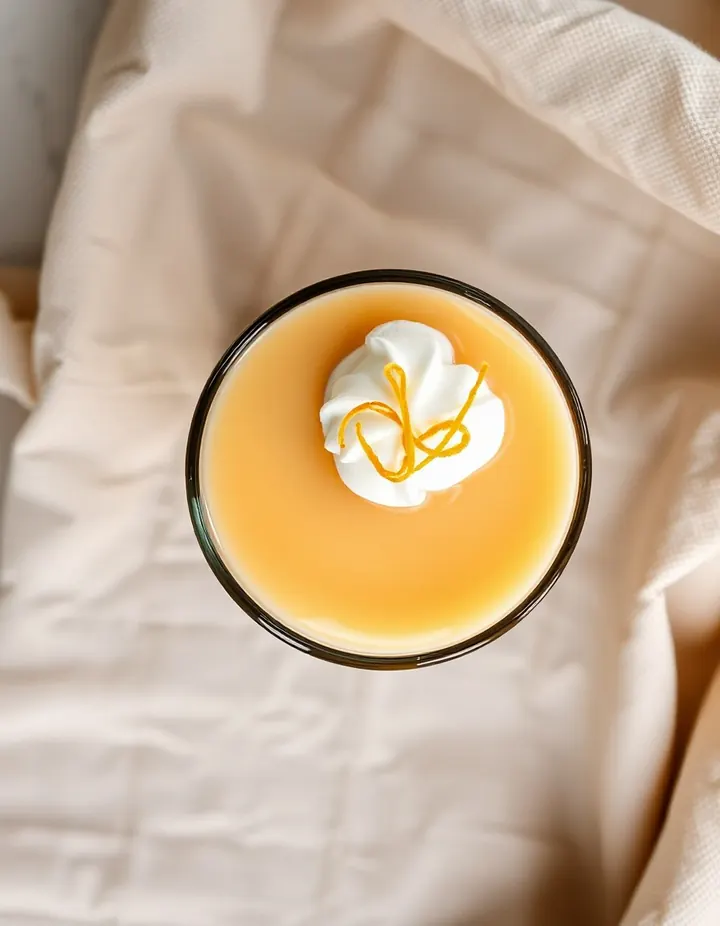 Orange Cream Rice Pudding121 recipes
The Sunday pairing: one pairing, the chemistry behind it, and how to cook it. No spam, unsubscribe anytime.
Prefer an account? Create a free account for sign-in; Pro adds the full results and chemistry.