Why it works: Sugar and syrup match in chemistry and in kitchens. They rank in the top 6% of all ingredient pairs, and cooks put them together in 5,842 recipes. Both carry ethanol, which smells alcoholic, ethereal. The science ↓
Ginger Candy
Ingredients
Directions
Make the syrup
Break a pound of highly-refined sugar into lumps and put the sugar into a preserving pan.
Pour about a third of a pint of spring water over the sugar.
Let the mixture stand until the sugar is nearly dissolved.
Set the pan over a perfectly clear fire and boil until it becomes a thin syrup.
Flavour and boil the candy
Have ready in a large cup a teaspoonful of the very best ginger powder.
Mix the ginger powder smoothly and gradually with two or three spoonfuls of the syrup, then stir the mixture well into the whole.
Watch the mixture carefully and keep it stirred.
Drop it often from a spoon to ascertain the exact point of boiling it has reached.
When it begins to fall in flakes, throw in the freshly grated rind of a very large lemon, or of two small ones.
Work the sugar round quickly as it is added.
Stir the candy constantly until it is done. The candy is done when it falls in a mass from the spoon and does not sink when placed in a small heap on a dish.
Pour and set
Pour or ladle out the candy as expeditiously as possible when ready.
If it is not poured quickly, it will fall into powder. If the candy falls into powder, add a little water to it and reboil to the proper point.
If the candy is dropped in cakes upon sheets of very dry foolscap or other thick writing-paper laid upon cold dishes, it may be moved off without difficulty while still just warm.
Do not touch the candy while quite hot, or it will break.
Nutrition, whole recipe (rough)
Counts 2 of 4 ingredients. The other 2 aren't in our nutrition table and add nothing above, so the real totals are higher.
What these numbers assume: 2 portions
| Ingredient | Portion assumed | kcal |
|---|---|---|
| Sugar | 1 tbsp (12.5g) granulated | 49 |
| Lemon | juice of 1 lemon (48ml) | 12 |
| Water | not in our table | 0 |
| Syrup | not in our table | 0 |
One typical portion per ingredient; the recipe's quantities are not counted. A rough guide only, not for medical or dietary planning.
Transcribed from a scanned cookbook and modernised for today's kitchens. Where the book gave no heat or time, or said "a moderate oven", the temperatures and times here may be modern equivalents rather than the book's own figures. See the original page.
Explore the science
The flavor team
The pairs that carry this dish. Each one is judged two ways: how much their aromas overlap, and how often cooks already put them together.
-
Sugar + syruptop 6% of all pairsSmell alikestrongCooked together5,842 recipes
Shared aroma: ethanol (alcoholic, ethereal).
-
Sugar + lemontop 18% of all pairsSmell alikelowCooked together53,532 recipes
Shared aroma: 2-nonenal (fatty, green).
-
Syrup + lemontop 20% of all pairsSmell alikelowCooked together2,235 recipes
Shared aroma: ethanol (alcoholic, ethereal).
Sugar and lemon barely smell alike, yet cooks put them together in 53,532 recipes: they work on texture and structure more than aroma.
Ranks compare each pair with 20,000 random ingredient pairs on CompKitchen. How we score pairs
What each ingredient does
- Highly-refined sugar
- Forms the syrup base that sets into the candy's firm, sweet body.
- Spring water
- Dissolves the sugar so it can be boiled into a syrup without scorching.
- Ginger powder (in the method)
- Supplies the main spicy aroma and flavour of the candy.
- Lemon rind
- Adds bright aromatic oil and a sharp note that balances the sweetness.
The step that matters
Judging the boiling point by the spoon test. Sugar syrup must reach the right concentration to set firmly. Drip tests show when it falls in a mass rather than sinking. Stop too early and the candy stays soft; go too far and it turns to powder or breaks.
Swap the lemon
How well each one fits the dish's main ingredients (sugar, syrup):
- Vanillafits better
- Raisinfits better
- Pearfits about as well
- Lemonthe original
Fit is the average pairing score against sugar, syrup. Candidates are from the same food group and used in at least 100 recipes.
“What each ingredient does” and “The step that matters” were written by Claude from this recipe’s own method and reviewed in samples by CompKitchen.
You might also like
 Lemon Cake228 recipes
 Lemon Ice147 recipes
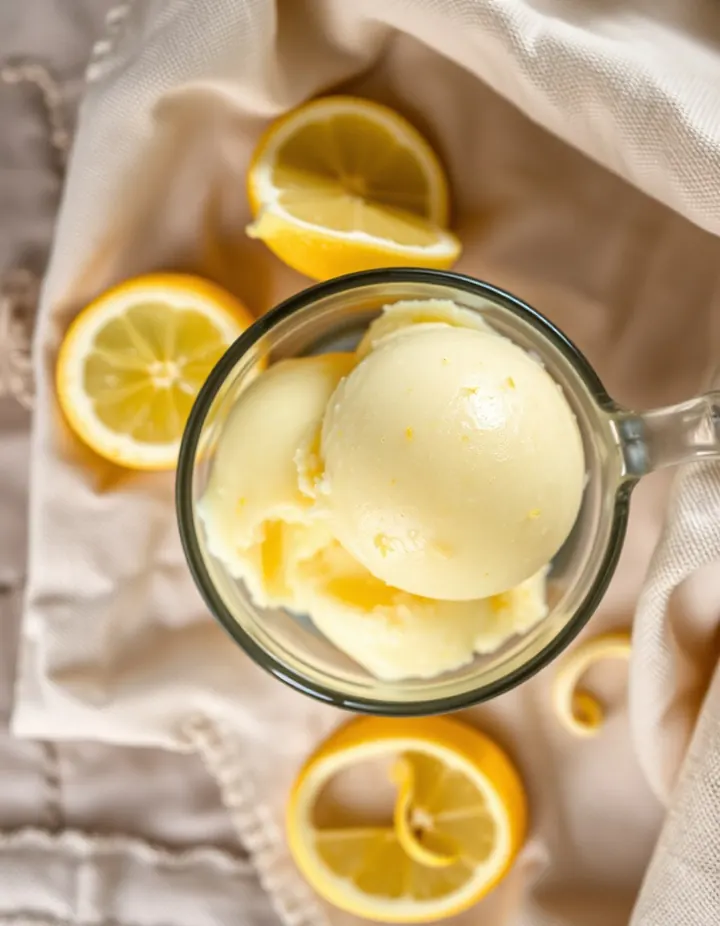 Lemon Sherbet103 recipes
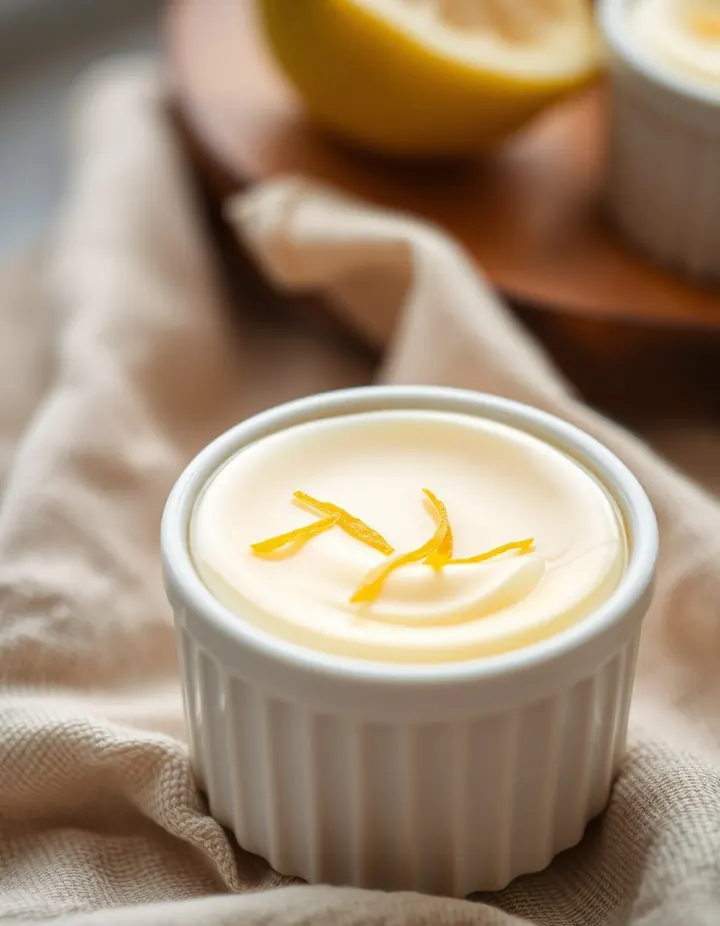 Lemon Custard64 recipes
The free Flavor Lab newsletter: one surprising pairing a week and the molecular reason it works, in 60 seconds. No spam, unsubscribe anytime.
Prefer an account? Create a free account to save pairings and unlock the full chemistry.