Why it works: Potato and butter are a kitchen classic. They rank in the top 13% of all ingredient pairs, and cooks put them together in 6,456 recipes. Both carry (z)-4-heptenal, which smells biscuit, cream. The science ↓
A Typical Virginia Receipt
Ingredients
Directions
Make the batter
Boil 1 potato and cream it fine.
Add to that (if you make 2 qts. of flour) 2 tablespoons of yeast, and take some of the 2 qts. sufficient to make a batter.
In winter make up batter at about three o'clock, and set in warm place to rise.
Mix and rise
Then about nine or ten o'clock at night mix it well into the rest of the 2 qts., reserving ½ pt. of 2 qts. of flour to knead in the dough.
In the morning knead dough well, and put in warm place to rise.
Bake and serve
It takes about one hour to bake to have ready for breakfast, either made off into rolls or loaf bread.
Four eggs beaten separately, 1 qt. sweet milk, enough flour for a stiff batter, one compressed yeast cake, butter the size of an egg, pinch of salt.
Bake slowly on griddle over a good fire. Use muffin rings.
Delicious toasted the day after baked.
Nutrition, whole recipe (rough)
Counts 5 of 6 ingredients. The other 1 aren't in our nutrition table and add nothing above, so the real totals are higher.
What these numbers assume: 5 portions
| Ingredient | Portion assumed | kcal |
|---|---|---|
| Flour | 1 cup (125g) all-purpose | 455 |
| Potato | 1 medium (173g) baked | 161 |
| Butter | 1 tbsp (14g) | 102 |
| Egg | 1 large egg (50g) | 78 |
| Salt | 1 tsp (6g) | 0 |
| Cake | not in our table | 0 |
One typical portion per ingredient; the recipe's quantities are not counted. A rough guide only, not for medical or dietary planning.
Transcribed from a scanned cookbook and modernised for today's kitchens. Where the book gave no heat or time, or said "a moderate oven", the temperatures and times here may be modern equivalents rather than the book's own figures. See the original page.
Explore the science
The flavor team
The pairs that carry this dish. Each one is judged two ways: how much their aromas overlap, and how often cooks already put them together.
-
Potato + buttertop 13% of all pairsSmell alikemoderateCooked together6,456 recipes
Shared aroma: (z)-4-heptenal (biscuit, cream).
-
Egg + buttertop 17% of all pairsSmell alikemoderateCooked together118,967 recipes
Shared aroma: decanal (soap, orange peel).
-
Potato + eggtop 29% of all pairsSmell alikemoderateCooked together4,978 recipes
Shared aroma: (e)-2-octenal (fatty, green).
Ranks compare each pair with 20,000 random ingredient pairs on CompKitchen. How we score pairs
What each ingredient does
- Flour (in the method)
- Forms the gluten structure that gives the bread its body and chew.
- Yeast
- Produces carbon dioxide gas, which makes the dough rise.
- Potato
- Adds moisture and starch that help keep the bread soft.
- Eggs
- Proteins set during baking, adding structure and richness.
- Milk (in the method)
- Adds moisture and softness to the dough and crumb.
- Butter
- Adds fat that tenderizes the crumb and carries flavor.
The step that matters
Bake slowly on griddle over a good fire. Too much heat browns the outside before the centre sets, leaving the inside doughy. Gentle, steady heat lets the interior cook through while the surface turns golden.
Swap the potato
How well each one fits the dish's main ingredients (egg, butter):
- Asparagusfits better
- Chivefits better
- Leekfits about as well
- Potatothe original
Fit is the average pairing score against egg, butter. Candidates are from the same food group and used in at least 100 recipes.
“What each ingredient does” and “The step that matters” were written by Claude from this recipe’s own method and reviewed in samples by CompKitchen.
You might also like
 Potato Croquettes255 recipes
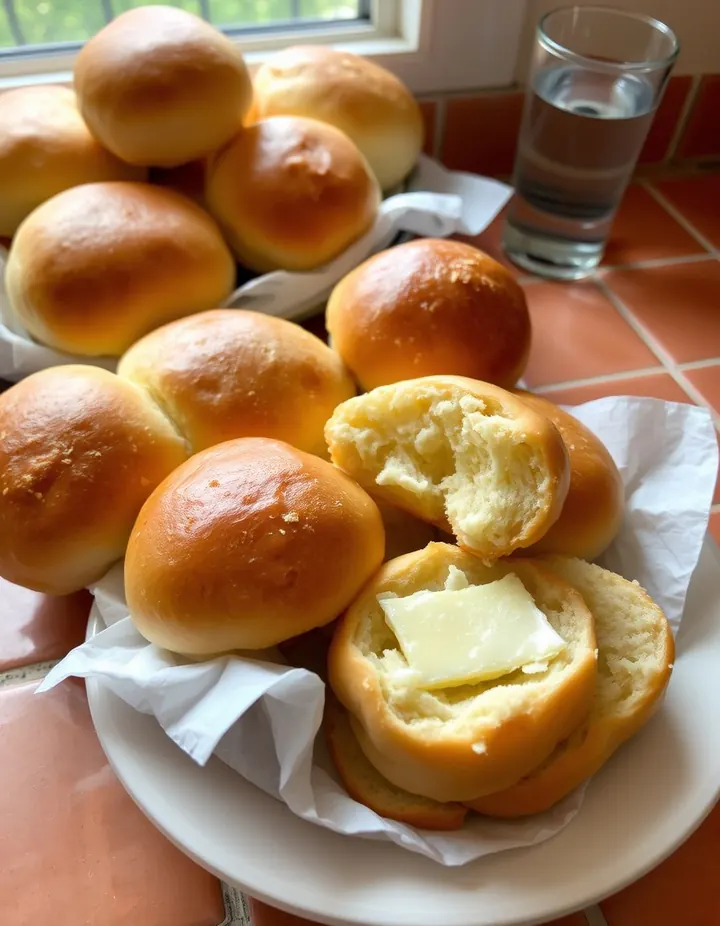 Potato Rolls78 recipes
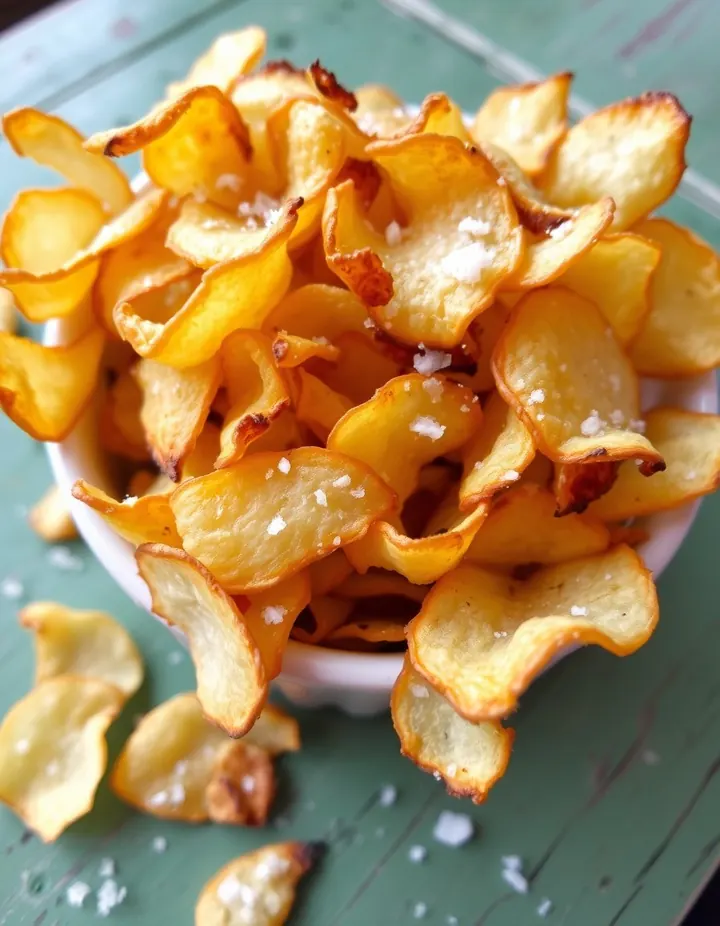 Potato Chips53 recipes
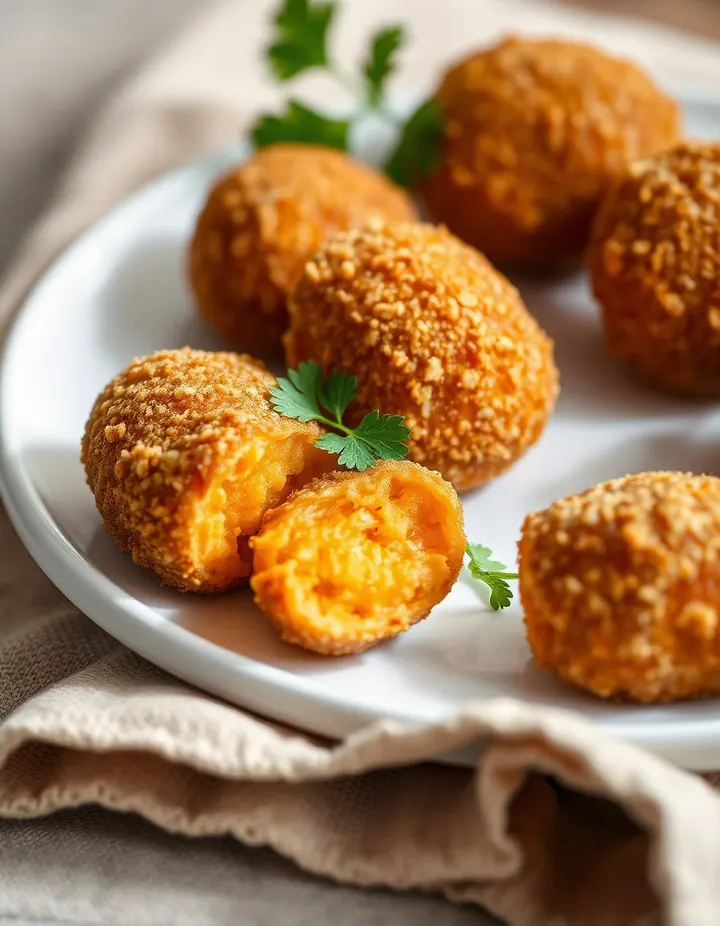 Sweet Potato Croquettes53 recipes
The free Flavor Lab newsletter: one surprising pairing a week and the molecular reason it works, in 60 seconds. No spam, unsubscribe anytime.
Prefer an account? Create a free account to save pairings and unlock the full chemistry.