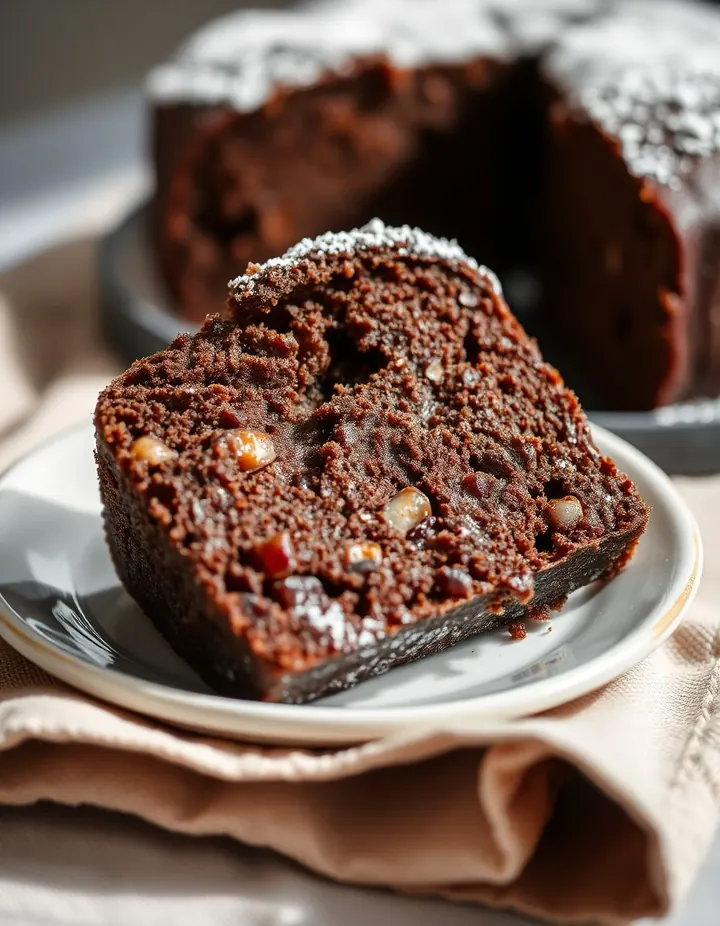
 Illustration
Why it works: Dates and walnut work together. They rank in the top 5% of all ingredient pairs, and 303 recipes mention both. Both carry coumarin, which smells sweet, hay. The science ↓
The recipe
Ingredients
Contains: egg, milk, wheat, tree nuts (auto-detected from the ingredients and method; we can miss things, so check labels)
Directions
The book gives no oven temperature. The 350°F (175°C) in the steps was added when the recipe was transcribed, as a starting point. The book gives no cooking times either; the times in the steps were added in transcription, so check for doneness rather than trusting the clock.
Prepare
Preheat your oven to 350°F (175°C).
Make the batter
In a mixing bowl, cream together the shortening and brown sugar.
Add the egg yolks and molasses, mixing well.
Stir in enough sour cream to fill the mixture.
Add the baking soda and spices, then mix thoroughly.
Gradually add the flour, mixing until combined.
Fold in the chopped dates and walnuts.
Bake
Pour the batter into a greased cake pan and bake for about 30-40 minutes, or until a toothpick comes out clean.
Transcribed from a scanned cookbook and modernised for today's kitchens. Where the book gave no heat or time, or said "a moderate oven", the temperatures and times here may be modern equivalents rather than the book's own figures.
Found this recipe through an AI assistant? CompKitchen also shows which ingredients go well together and why, from the aroma molecules they share and how often recipes combine them. Try the pairing tools.
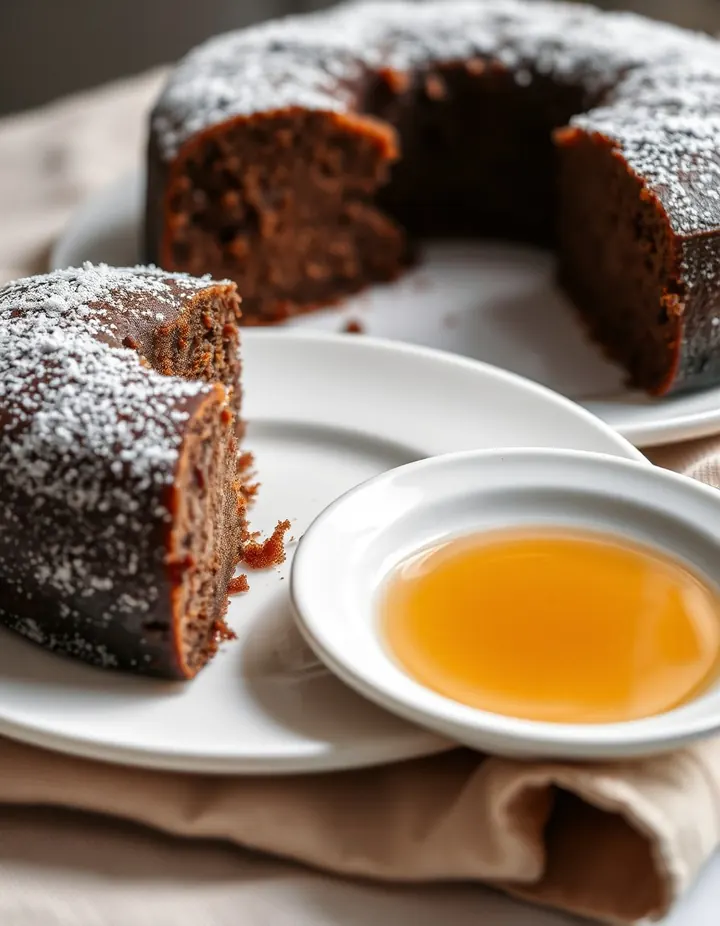
The picture is an illustration, not a photo of this recipe · Contact us to use it
Explore the science
The flavor team
The pairs that carry this dish. Each one is judged two ways: how much aroma chemistry they share, and how many recipes mention both.
-
Dates + walnuttop 5% of all pairsAroma overlapmoderateMentioned together303 recipes
Shared aroma: coumarin (sweet, hay).
-
Sugar + creamtop 5% of all pairsAroma overlapmoderateMentioned together43,437 recipes
Shared aroma: 2,3-butanedione (butter, sweet).
-
Sugar + molassestop 6% of all pairsAroma overlapmoderateMentioned together9,225 recipes
Shared aroma: ethanol (alcoholic, ethereal).
-
Egg + flourtop 8% of all pairsAroma overlaplowMentioned together104,138 recipes
Shared aroma: isobutyraldehyde (malty, green).
-
Flour + walnuttop 9% of all pairsAroma overlapmoderateMentioned together5,760 recipes
Shared aroma: isobutyraldehyde (malty, green).
Egg and flour share little aroma chemistry, yet 104,138 recipes mention both: they likely work on texture and structure more than aroma.
Ranks compare each pair with 20,000 random ingredient pairs on CompKitchen. How we score pairs
What each ingredient does
- Shortening
- Adds fat that keeps the cake tender and rich in texture.
- Egg yolks
- Add richness and help bind the batter into a stable structure.
- Baking soda
- Reacts with the acidic molasses and sour cream to lift the cake.
- Flour
- Provides the main structure that sets as the cake bakes.
- Dates
- Add moisture and natural sweetness throughout the cake.
- Molasses
- Adds moisture, deep sweetness and a darker color to the batter.
The step that matters
Gradually add the flour, mixing until combined. Overmixing once flour is in develops gluten, which can make the cake tough and dense rather than tender. Mix only until no dry flour streaks remain.
Flavor stand-ins for the walnut
How well each one fits the dish's main ingredients (sugar, egg, molasses, cream, flour, dates):
- Almondbetter flavor fit
- Walnutthe original
- Chestnutabout as good a flavor fit
- Pecansabout as good a flavor fit
Fit is the average pairing score against sugar, egg, molasses, cream, flour, dates. Candidates are from the same food group and used in at least 100 recipes. This compares flavor only: it does not check the job the ingredient does in the dish (bulk, moisture, acidity, structure).
“What each ingredient does” and “The step that matters” were written by Claude, an AI, from this recipe’s own method. They are not checked recipe by recipe, so they can be wrong.
Make it your own
Stand-ins, a drink, and quick taste fixes for this dish, ranked by how well each fits its other ingredients: shared aroma molecules and how often recipes combine them.
You might also like
 Illustration
 Illustration
 Illustration
 Illustration
The Sunday pairing: one pairing, the chemistry behind it, and how to cook it. No spam, unsubscribe anytime.
Prefer an account? Create a free account for sign-in; Pro adds the full results and chemistry.