Why it works: Celery and currant work together. They rank in the top 30% of all ingredient pairs, and cooks put them together in 159 recipes. Both carry alpha-pinene, which smells pine, turpentine. The science ↓
How to Cook Wild Ducks
Ingredients
Directions
The book says “a very hot oven”. The 400°F (200°C) in the steps is the modern equivalent, not the book's own figure.
Prepare
Clean and prepare the ducks.
Roast
Place them in a very hot oven at 400°F (200°C).
Cook for 18 to 20 minutes.
To check doneness, stick a fork into the duck; if red juice runs out, cook longer.
Serve
Serve with gravy from the ducks, celery, fried hominy, or currant jelly.
Transcribed from a scanned cookbook and modernised for today's kitchens. Where the book gave no heat or time, or said "a moderate oven", the temperatures and times here may be modern equivalents rather than the book's own figures.
Explore the science
The flavor team
The pairs that carry this dish. Each one is judged two ways: how much their aromas overlap, and how often cooks already put them together.
-
Celery + curranttop 30% of all pairsSmell alikelowCooked together159 recipes
Shared aroma: alpha-pinene (pine, turpentine).
Ranks compare each pair with 20,000 random ingredient pairs on CompKitchen. How we score pairs
What each ingredient does
- Wild ducks
- Provide the main meat, which is roasted in a very hot oven until cooked through.
- Gravy from the ducks
- Adds moisture and rich savory flavor to the serving.
- Currant jelly
- Adds sweetness and acidity to balance the rich, fatty duck meat.
The step that matters
Checking doneness with a fork. Wild duck is lean and easily overcooked, which makes it dry and tough. Checking for red juice at the end of the cooking time helps you judge when the meat is done, so you can cook it longer only if needed.
“What each ingredient does” and “The step that matters” were written by Claude from this recipe’s own method and reviewed in samples by CompKitchen.
You might also like
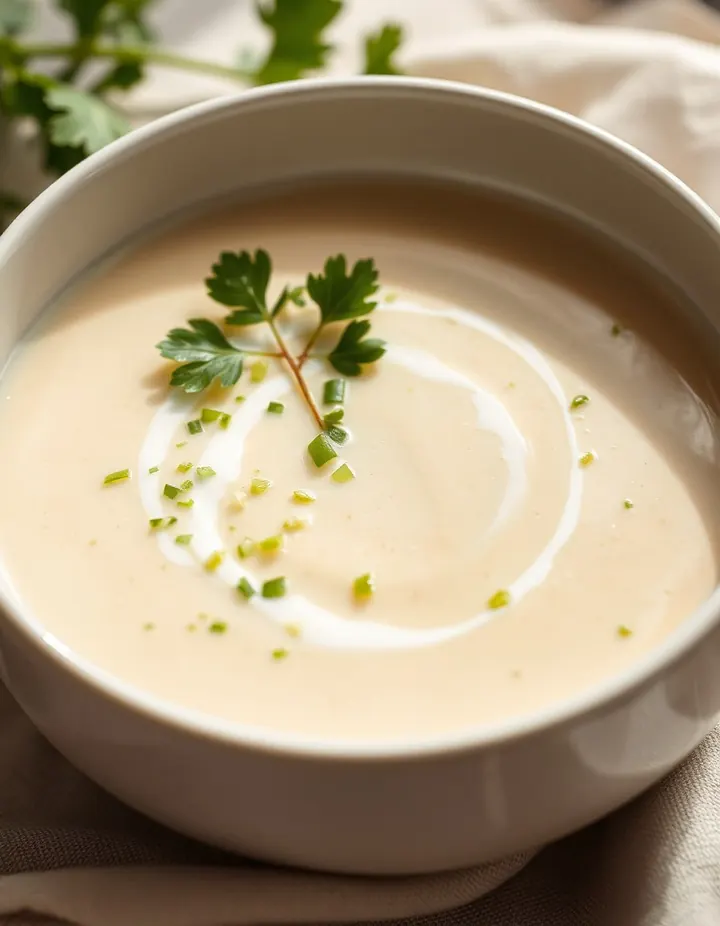 Cream of Celery Soup113 recipes
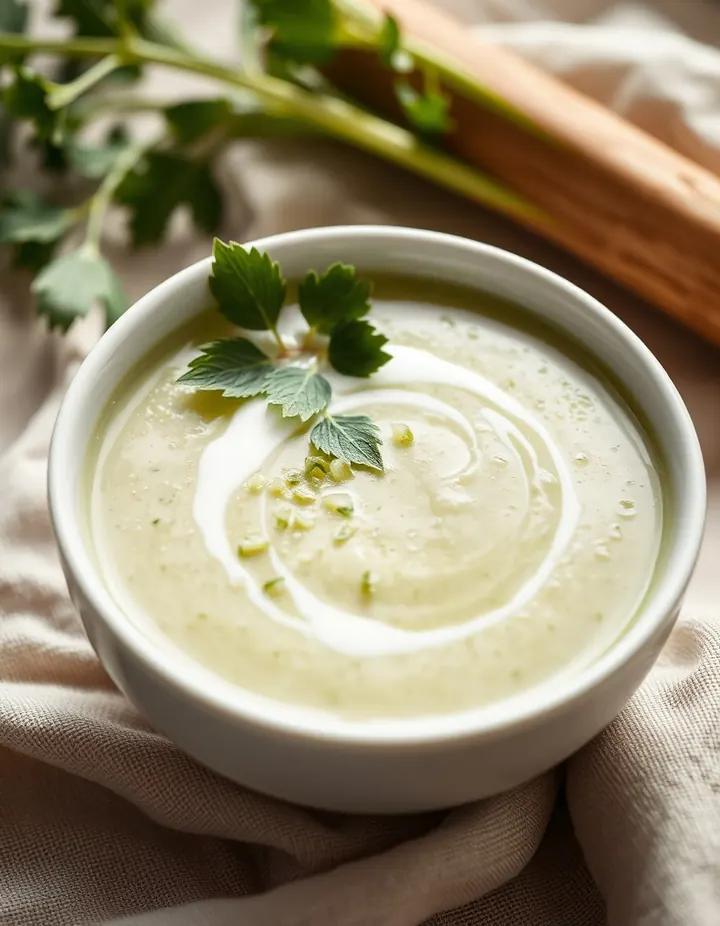 Celery Stew25 recipes
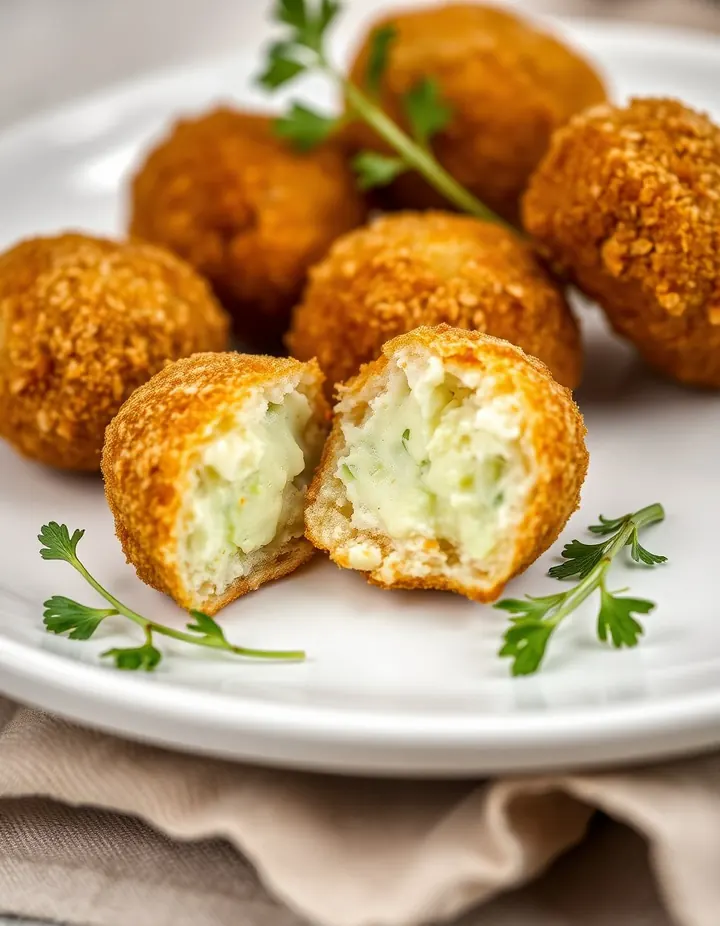 Celery Croquettes16 recipes
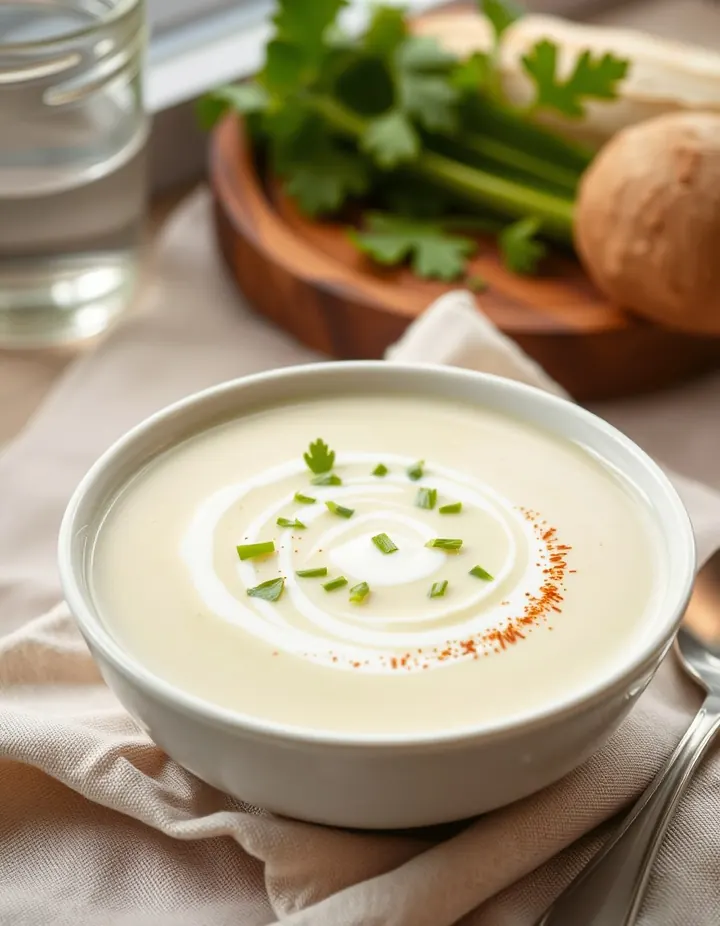 Celery Cream Soup15 recipes
The free Flavor Lab newsletter: one surprising pairing a week and the molecular reason it works, in 60 seconds. No spam, unsubscribe anytime.
Prefer an account? Create a free account to save pairings and unlock the full chemistry.